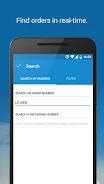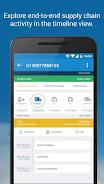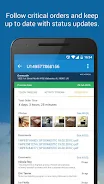
ChronosCloud is an end-to-end platform designed to connect multi-party supply chains across companies and time zones, giving procurement, logistics and operations teams a single source of truth. The app gathers data from suppliers, factories, transportation partners, distribution centers and final-mile delivery, accepting feeds from ERP systems, B2B messages, RFID sensors, handoff interactions and uploaded photos or documents. In the cloud, ChronosCloud standardizes and assembles these inputs into a continuous timeline for each sales order, helping teams monitor progress, resolve exceptions faster and make better decisions about fulfillment and revenue recognition.
Key Features
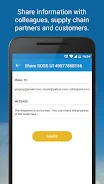
ChronosCloud connects suppliers, manufacturers, carriers and distribution points to present a unified view of a sales order lifecycle. It captures diverse data types and normalizes ERP feeds, B2B messages, sensor inputs, handoff events, photos and documents so teams can see consistent information across partners. The assembled timeline presents the sequence of events for each order and supports real-time sharing of status updates and exceptions with supply chain partners.
The platform also includes analytics that help identify delays, quality issues and optimization opportunities, enabling more informed decisions about routing, inventory and revenue recognition. ChronosCloud's timeline approach is intended to reduce the time spent reconciling disparate records and to surface exceptions earlier in the process.
Advantages
By consolidating inputs from many parties, ChronosCloud provides end-to-end visibility that reduces blind spots and improves coordination across procurement, logistics and operations teams. Tracking the complete lifecycle of sales orders supports clearer fulfillment decisions and more defensible revenue recognition.
Consolidated data helps teams respond proactively to issues, maintain quality, and improve customer satisfaction. The analytics and timelines can reveal operational inefficiencies and opportunities for improvement across partners.
Disadvantages
The platform's effectiveness depends on timely and consistent data from all supply chain partners, so gaps in input can limit visibility. Integrating ERP feeds, sensors and bespoke B2B messaging may require significant setup and technical effort. Companies may need to adapt internal processes and data practices to fully benefit from standardized timelines and analytics.