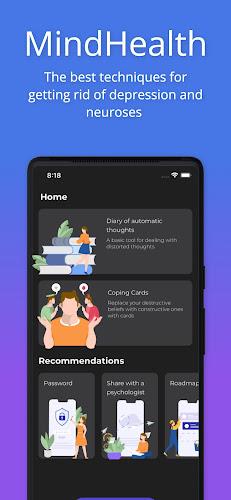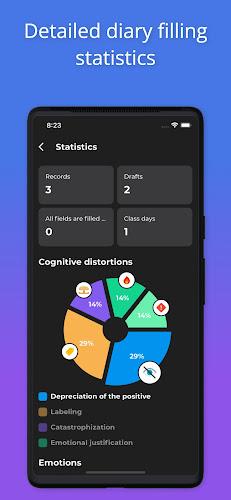
MindHealth is a mobile Cognitive Behavioral Therapy tool that brings structured self-help and guided reflection to your pocket. Designed for anyone wanting to work on anxiety, depression, burnout or other common concerns, MindHealth combines diagnostic tests, a nine-step CBT thought diary and an AI psychologist assistant to help you recognize patterns and practice healthier thinking. The app also offers mood tracking, coping cards and interactive educational courses so users can learn core CBT principles and monitor change over time. If you want a practical, self-directed approach to mental wellbeing, MindHealth is built to support regular practice and reflection.
Core Functions
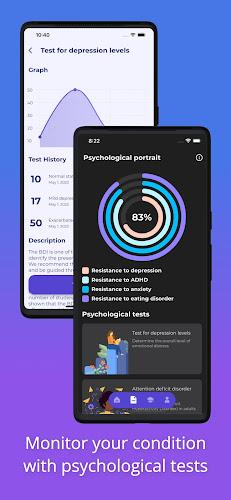
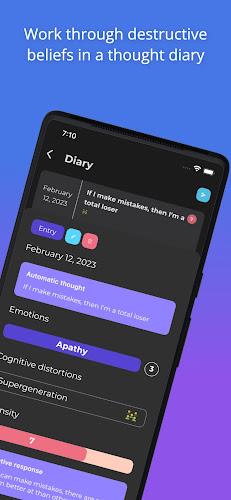
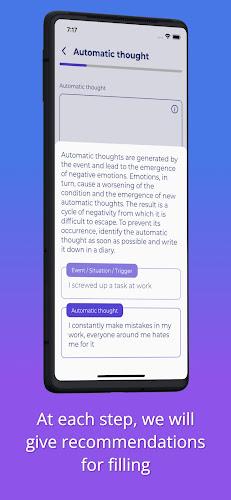
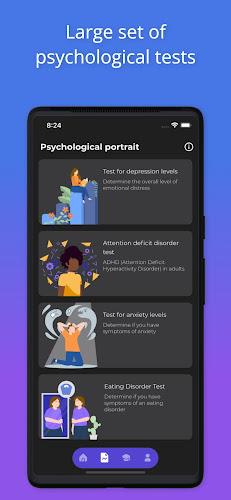
The diagnostic test suite lets you assess areas such as depression, eating disorders, neurosis and ADHD and then build a personal psychological profile you can revisit to monitor progress. After completing depression and anxiety tests, users receive feedback and recommendations informed by qualified psychotherapists. The CBT thought diary follows a nine-step structure to identify cognitive distortions and reframe automatic thoughts. Daily diary entries provide free-form notes with AI-backed analysis and suggestions. A mood tracker prompts twice-daily mood ratings and records dominant emotions, while coping cards let you log and work through unhelpful beliefs. Interactive courses explain terms like panic attack, emotional intelligence, burnout and ADHD so you can learn the tools behind the techniques.
Key Features
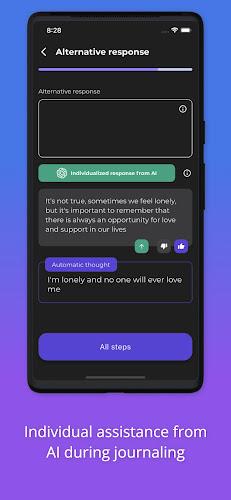
The app offers psychotherapist-informed assessments with actionable feedback; a structured CBT journal for step-by-step cognitive work; AI-assisted rephrasing and exercise suggestions from an on-board psychologist assistant; twice-daily mood tracking tied to your diary and tests; coping cards for targeted interventions; bite-sized educational modules on common mental health topics; and a collection of affirmations and reflective prompts that you can use during practice. MindHealth also encourages sharing insights with others as part of reflective work and long-term monitoring.
User Experience
Interaction is driven by clear, task-focused tools: take a test, review tailored feedback, complete the nine-step thought diary, or log a mood entry. The AI assistant offers immediate suggestions to reframe negative thoughts and recommends exercises based on recent inputs, which helps keep daily practice manageable. Educational modules are designed to complement hands-on exercises, making it straightforward to learn concepts and then apply them to your diary work. The design emphasizes regular self-reflection and tracking so change can be observed over weeks rather than isolated moments.
Conclusion
MindHealth positions itself as a self-help CBT companion for people seeking structured, evidence-informed ways to manage anxiety, depression and related concerns. It does not replace professional therapy but aims to make therapeutic techniques accessible through daily tracking, guided diaries, educational content and an AI assistant that supports practice. For anyone wanting a practical toolkit to build awareness and practice cognitive techniques, MindHealth offers a coherent set of functions to help turn insight into routine habits.