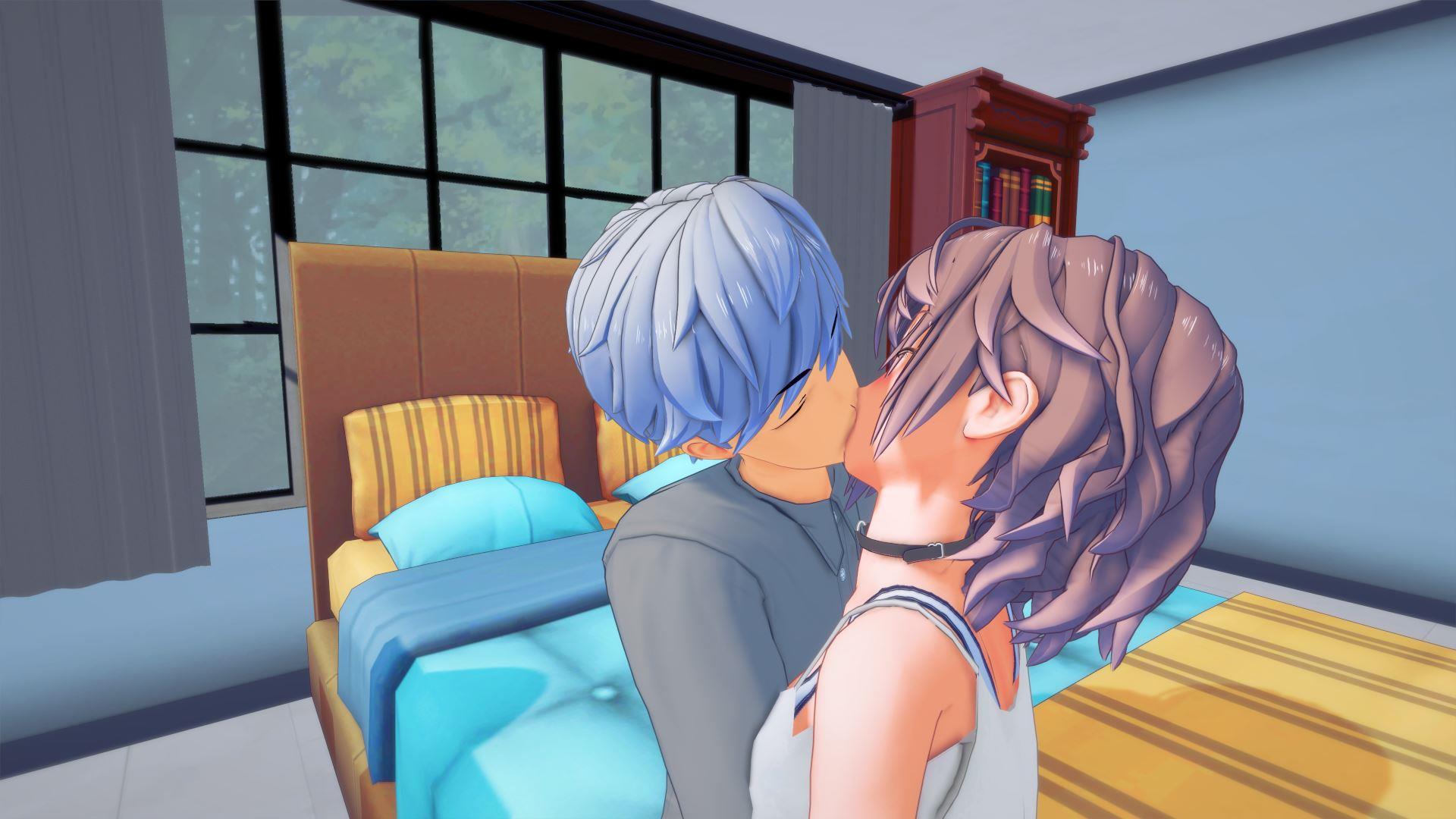
Back to the Roots is a single-player narrative adventure that places you in the shoes of a successful but restless developer who returns to his hometown after losing the one creation that once defined his identity. Back to the Roots follows a character-driven plot about loss, memory, and the slow work of rebuilding: its focus is on dialogue, choices, and the slow restoration of relationships and a small community rather than on fast action or competitive systems.
Key features
This game centers on a clear narrative objective — reclaiming a stolen creation — and presents that objective through branching conversations, scene-based exploration, and episodic chapters. Players will experience a reflective tone, with an emphasis on everyday tasks, local characters and the emotional consequences of past decisions. The design favors quiet moments and meaningful interactions: investigation scenes reveal context, short puzzle segments unlock memories, and optional side scenes deepen character backgrounds without interrupting the main storyline.
Gameplay mechanics
Gameplay in Back to the Roots mixes exploration, interactive dialogue and light puzzle solving. Exploration is scene-based: you tap to move between locations in the town, inspect objects and gather clues about the missing creation. Dialogue choices influence immediate responses and can shift longer-term relationships tracked by a subtle reputation system rather than explicit meters. Puzzles are intentionally modest and context-driven, designed to reinforce story beats — for example, reconstructing a prototype from discovered fragments or piecing together a timeline of events from collected notes.
Controls and progression
Controls are optimized for touch devices: tap to navigate, tap-and-hold for contextual interactions, and a simple menu to access items, journal entries and saved scenes. Progression is chapter-based and narrative-driven: each chapter resolves a portion of the protagonist's past and opens new locations, characters and optional activities. As you progress you unlock keepsakes and recorded memories that expand dialogue options and can reveal alternate ways to approach interpersonal challenges. There is no leveling or combat progression; the primary advances are story access, new dialogue branches and optional restorative tasks that change the town and its people.
Visual style and level structure
Back to the Roots uses a restrained visual approach that supports its introspective tone: environments are rendered with a warm, slightly muted palette, character art emphasizes expression and gesture, and transitions use cinematic framing to highlight emotional beats. The town is divided into manageable locations — the main street, the riverside, a workshop and several homes — each revisited across chapters so that changes are visible as you restore relationships and repair what was lost. Scenes are short and focused, allowing for bite-sized play sessions without losing narrative momentum.
Customization and replay value
Customization is narrative rather than cosmetic: the choices you make alter dialogue and can open alternative scenes or endings, encouraging at least one replay to explore different outcomes. Small restorations you carry out in the course of play — repairing a bench, re-running a local event or returning a keepsake — create tangible changes in subsequent visits to locations. Because dialogue paths and character responses shift depending on your decisions, Back to the Roots offers replay value for players who want to see how different approaches to reconciliation and restoration play out.
Accessibility, offline play and user experience
The game is designed for a wide audience: adjustable text size, subtitle options for all spoken content, and color contrast settings help make scenes easier to read. Controls are straightforward and explained in an early tutorial scene so new players can settle into the narrative quickly. Back to the Roots supports offline play after installation, so you can progress through chapters without a persistent network connection. Save points are generous, and an auto-save feature preserves recent decisions to reduce frustration during exploration.
Challenge systems and what to expect
Challenges are primarily intellectual and emotional rather than reflex-based: deducing the truth behind the theft, choosing the right conversational approach for strained relationships, and managing a handful of restoration tasks under time-agnostic constraints. The experience is best suited to players who appreciate slow-building stories, character work and moral ambiguity. If you prefer fast-paced action, you may find Back to the Roots deliberately unhurried, but for players seeking a thoughtful, single-player narrative journey it delivers a measured, emotionally attentive experience.