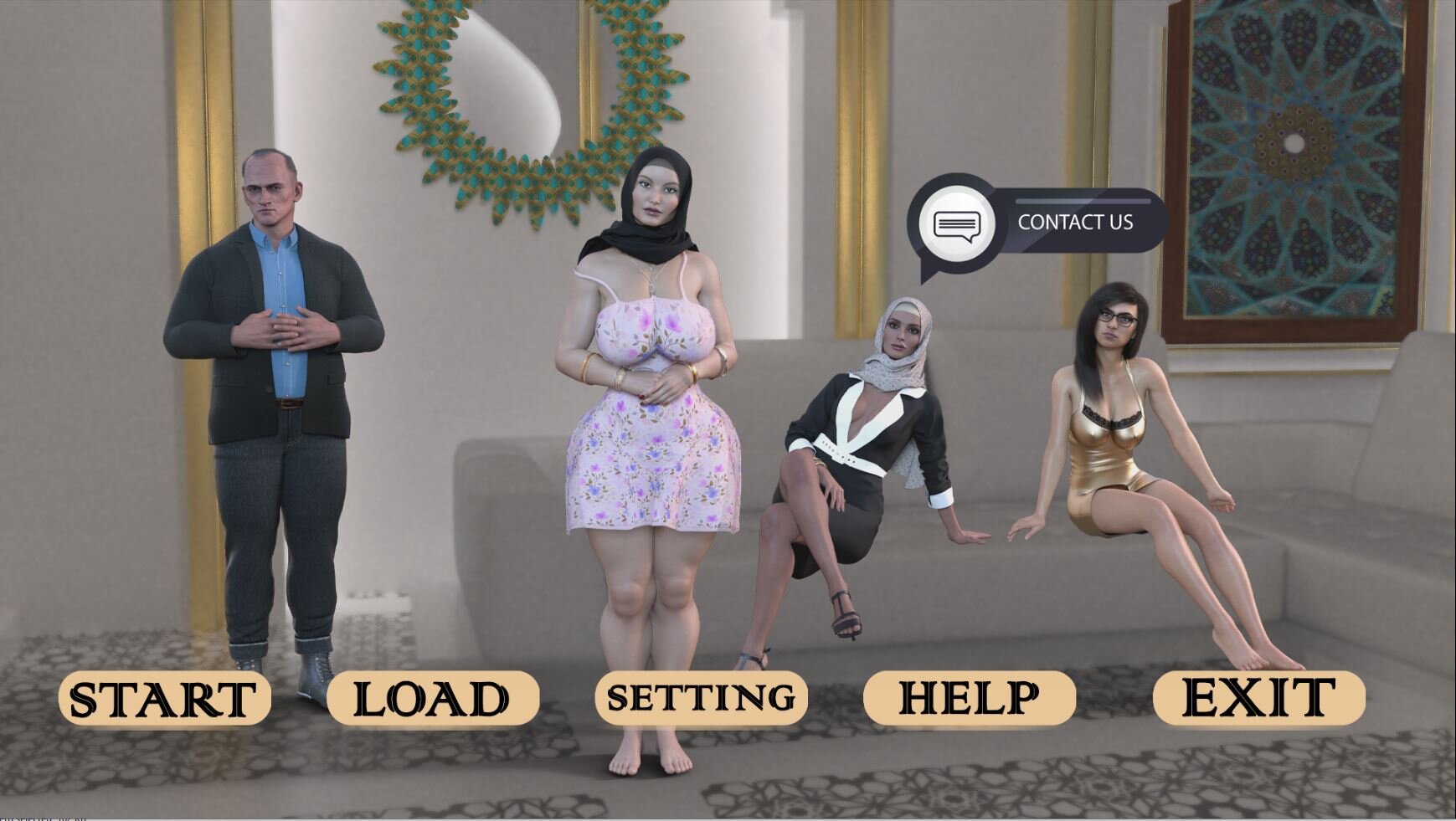
Independent Horizons opens as a quiet, character-led narrative about Tom, a 20-year-old who was orphaned and later adopted by Mr. and Mrs. Cruz, and the relationships that define his life—most notably his friendship with Pauline. Independent Horizons places the player in an intimate role, guiding Tom through personal decisions, everyday routines, and the slow work of belonging and identity. The introduction emphasizes human moments over spectacle, and the app is designed for players who prefer reflective stories and emotional depth delivered through narrative interactions rather than fast action.
Key Features
The core of Independent Horizons is a story-first structure that balances linear scenes with meaningful choices. Scenes unfold as conversations and quiet sequences set in domestic spaces, school environments, and community locations that reveal the Cruz family dynamics and the history behind Tom’s adoption. Players encounter branching dialogue options that alter relationships, uncover backstory through optional interactions, and make decisions that shape the tone of later scenes. The pacing deliberately encourages exploration of character beats, allowing you to spend time on small, defining moments rather than moving from objective to objective.
Gameplay and Controls
Gameplay centers on reading, dialogue selection, scene navigation, and contextual interactions. Controls are intentionally simple: tap-based progression for dialogue, selectable responses presented as on-screen choices, and a scene map that lets you move between chapters or return to moments you want to revisit. The interface is unobtrusive so the focus remains on story and character. Visual and audio cues guide interaction points; prompts appear only when a decision or exploration opportunity is available. The result is a low-friction experience suited to mobile play sessions and longer, immersive readings alike.
Progression and Challenge
Progress is chapter-driven and tied to narrative beats rather than experience points or levels. Each chapter completes after key conversations and scenes resolve, and choices can open or close routes to optional moments. Challenge is narrative and emotional: decisions may lead to tense family discussions, moments of reconciliation, or instances where Tom has to confront his past or assert his identity. This system favors thoughtful engagement over reflex tests and invites replay to explore alternate emotional outcomes.
Visual Style and Level Structure
The visual approach is restrained and character-focused, emphasizing facial expressions, domestic interiors, and everyday settings that support the story’s tone. Scenes are composed to highlight small gestures and environmental detail rather than fast-cut action. The game is structured into episodes or chapters that each feel like a short story within a larger arc; some chapters offer optional scenes that deepen relationships or reveal hidden context. This architecture makes it easy to play in short bursts while still offering a cohesive narrative when played in sequence.
Customization and Replay Value
Customization in this title is narrative-driven: your choices shape Tom’s relationships and certain scene outcomes. Rather than changing visual appearance, customization here means shaping personality, forging alliances, and unlocking different emotional paths. Replay value comes from the branching possibilities—revisiting decision points produces different conversations, alternative scenes, and varied endings. Players who enjoy exploring character permutations and consequences will find multiple satisfying routes through the story.
User Experience and Accessibility
The design emphasizes readability and comfort. Text size and contrast options are provided to improve legibility, and an auto-play mode helps players relax into the pacing. Subtitles and toggles for audio levels let you tailor the experience to your environment. The interface minimizes interruptions: save points are placed at scene boundaries and allow you to return to important moments without losing progress. Controls are intentionally simple to make the game accessible to a broad range of players.
Offline Play and Practical Notes
Independent Horizons is designed to be accessible offline once downloaded, so you can play without a persistent internet connection. File sizes and asset choices favor stable performance on a range of devices; the experience emphasizes story and atmosphere rather than heavy technical requirements. The single-player nature of the game keeps focus on personal discovery and narrative immersion rather than competitive or online elements.
Who Should Play
This title will appeal to players who prefer character study and emotional storytelling. If you enjoy slow-building narratives, nuanced dialogue, and games that reward thoughtful choices, this title offers a grounded portrait of family, gratitude, and coming-of-age. Independent Horizons is not aimed at action-seekers; instead it rewards patience, curiosity, and attention to small, human moments that shape a life.