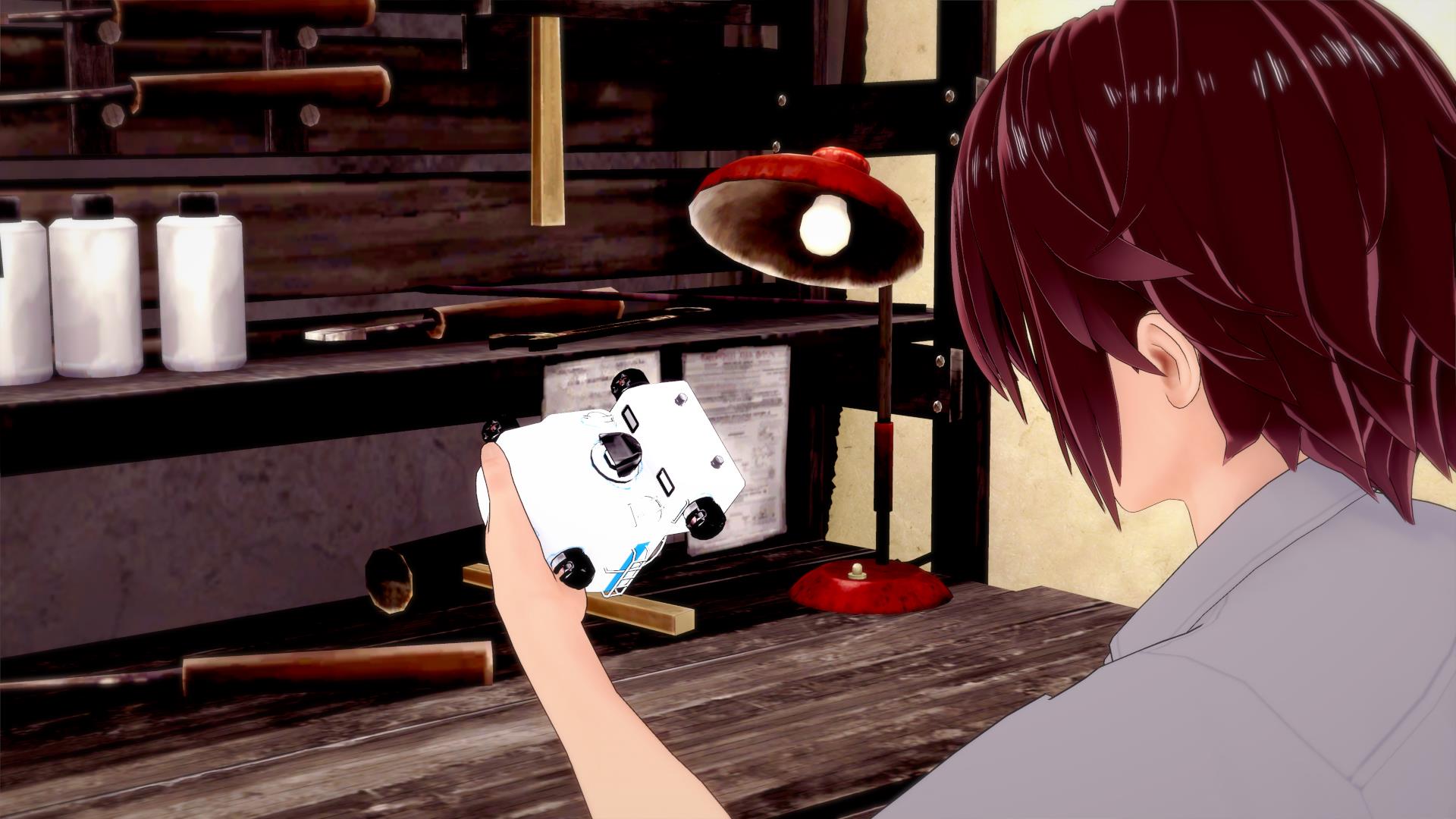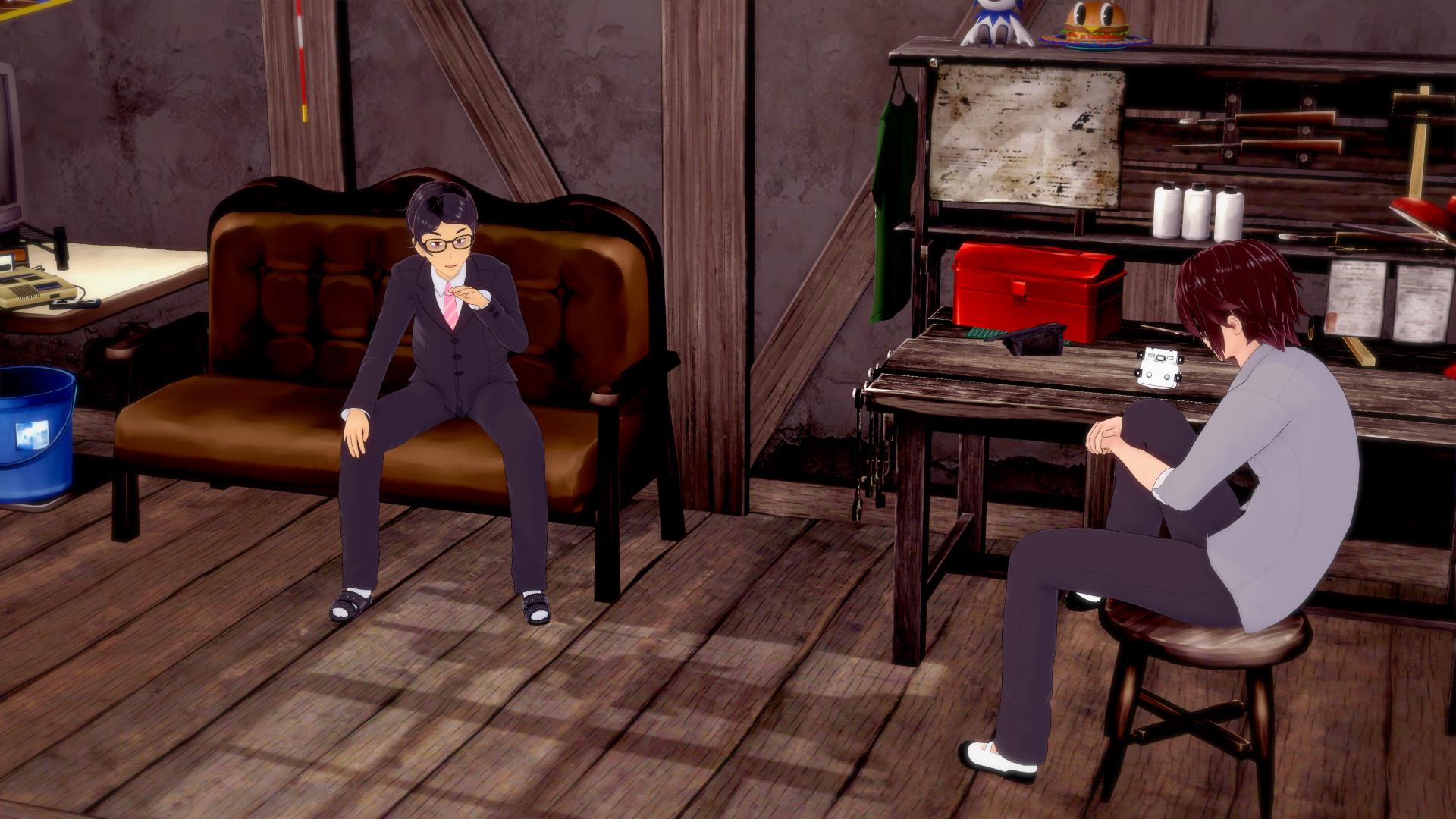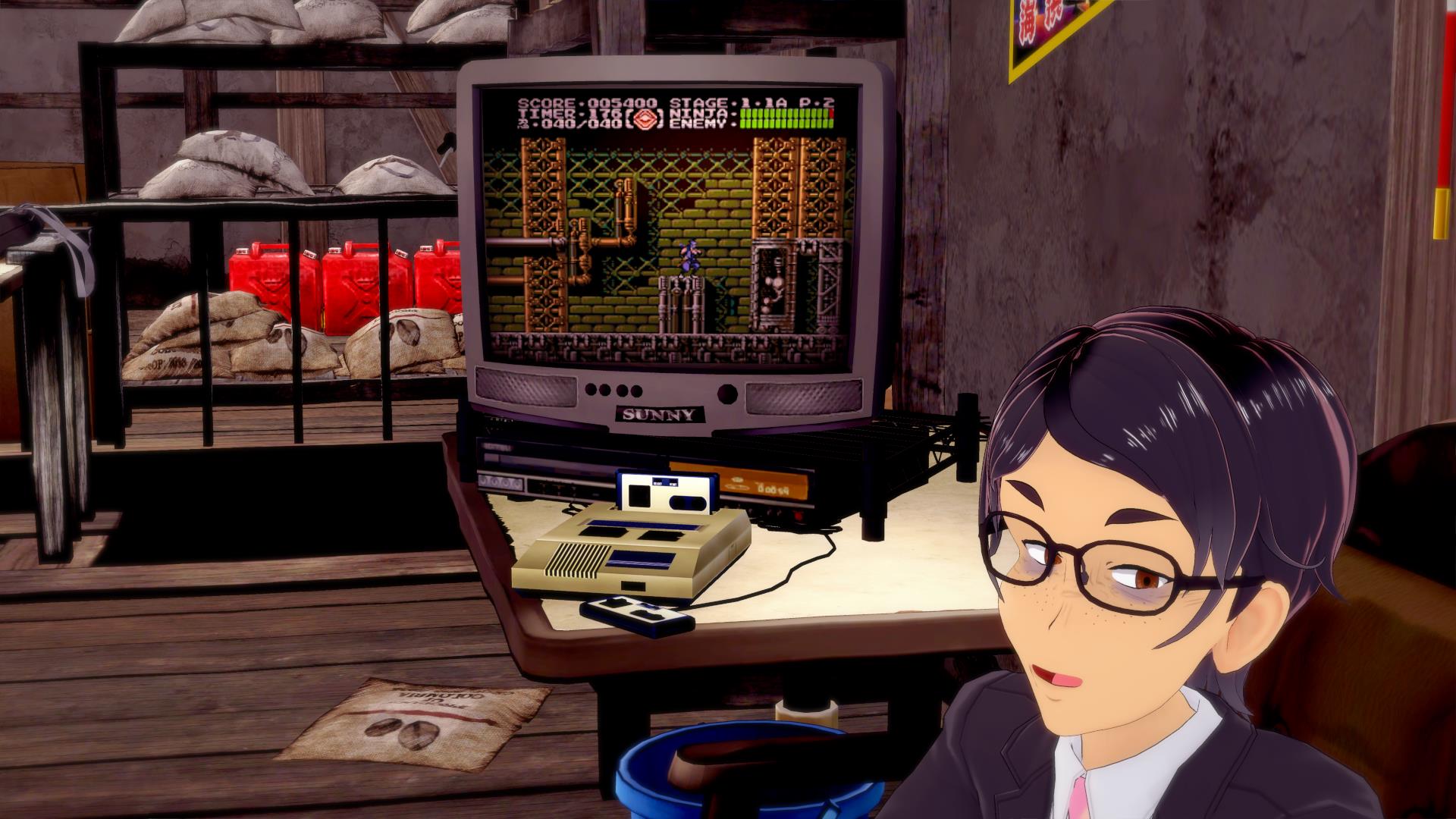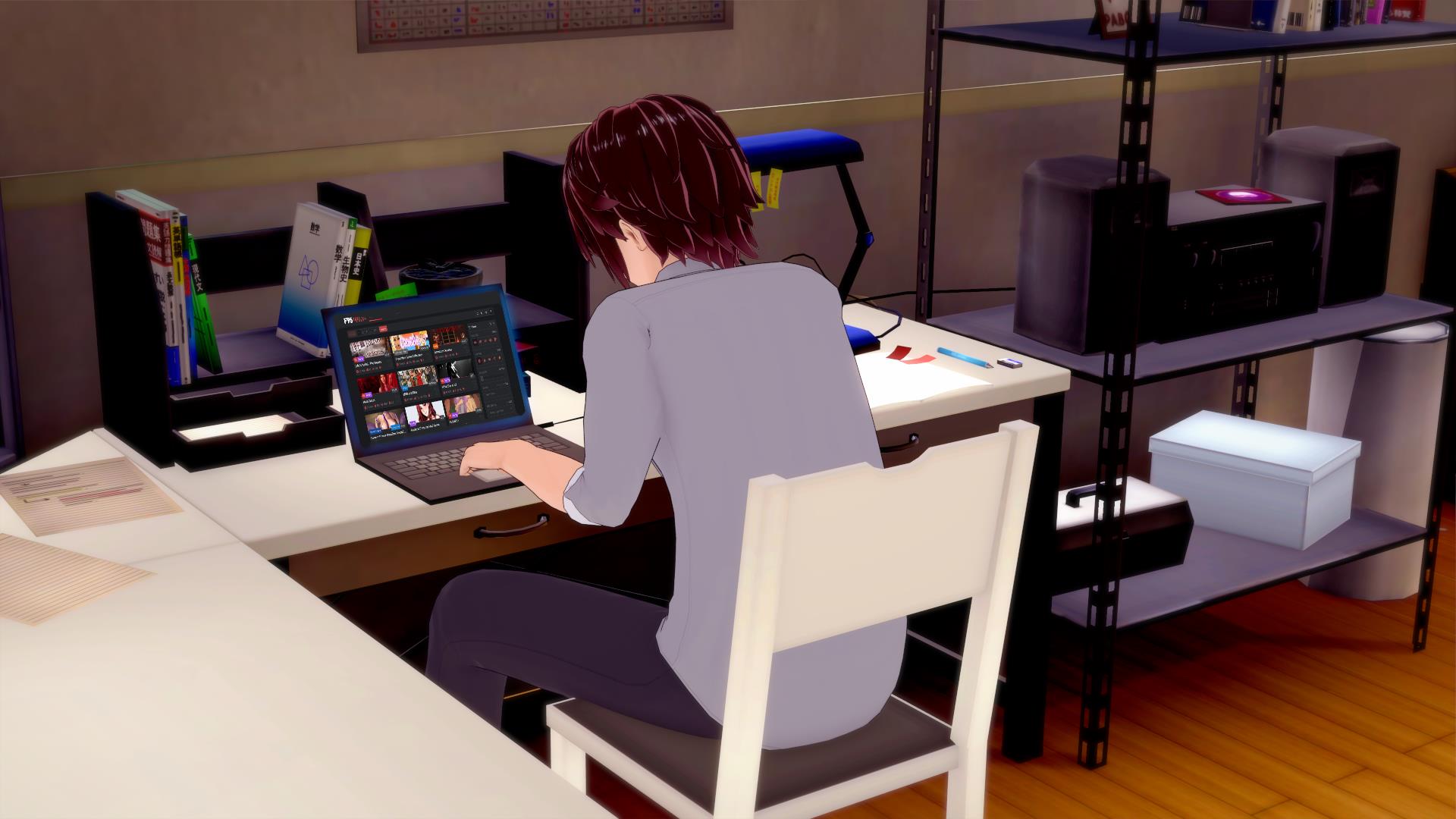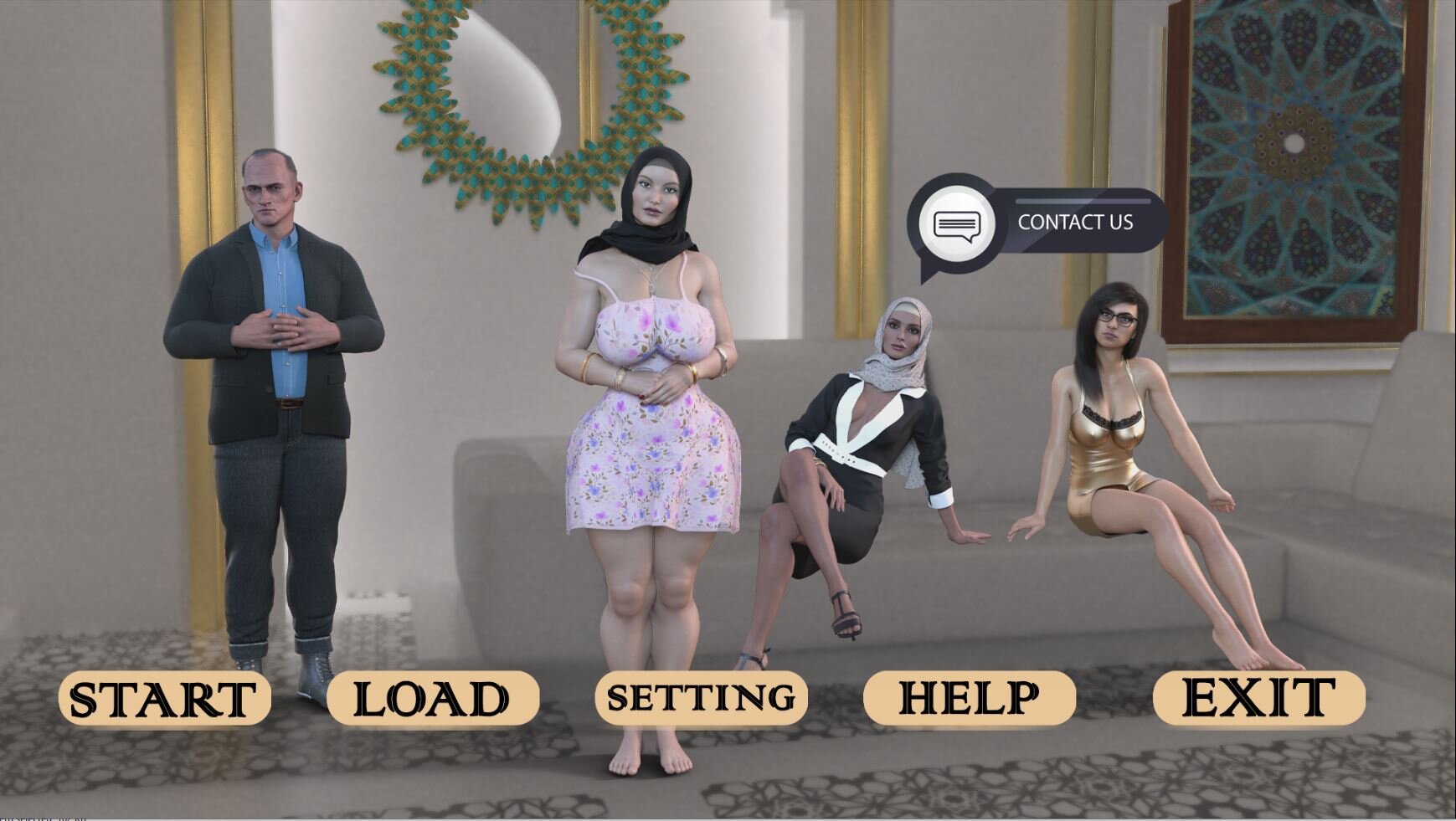
My New Second Chance is an interactive narrative experience that puts players into the role of a character given one opportunity to revisit and repair past decisions; in this editorial introduction to My New Second Chance we outline the structure, controls, and systems that shape a reflective, choice-driven story designed for mobile play. The description below explains how the title presents its core rewind premise, how scenes and chapters are organized, and which accessibility and offline features ensure the experience remains focused on narrative and consequence rather than reflex-based action.
Key Features
The central mechanic in My New Second Chance is a time-rewind concept that lets you return to specific moments and explore alternate paths: choices you make alter relationships and plot branches, and many decisions carry meaningful consequences that appear later in the narrative. The experience favors character work—dialogue, moral decisions, and emotional resolutions—rather than combat or arcade-style mechanics. The interface is touch-first and optimized for readability, offering scene persistence so you can step away and return without losing context. A clear scene map and concise progress indicators help you see which episodes you have explored and which remain to be unlocked.
Gameplay Mechanics and Controls
Interaction relies on simple, mobile-appropriate gestures: tap to choose a response, swipe gently to advance lines of dialogue, and use on-screen buttons to open the journal, scene overview, or rewind history. Decisions typically appear as compact dialogue options or scene choices that influence subsequent encounters; some choices unlock new narrative threads while others close off alternatives. A built-in history view records recent lines of text so you can review context, and a rewind tool lets you return to an earlier decision point without restarting the entire story. These controls are intentionally low-friction to keep attention on the narrative and the consequences that develop from each choice.
Progression, Structure and Challenge Systems
The story is divided into chapters and discrete scenes that represent turning points in the protagonist’s life. Progression is chapter-based: completing scenes advances the main arc, while checkpoint and chapter selection screens let you revisit earlier moments when the rewind mechanic is available. Relationship states are tracked through visible meters and narrative tags that reflect your choices; these variables influence both immediate scene content and long-term endings. Rather than timed or dexterity challenges, the primary tension comes from moral dilemmas, incomplete information, and the need to balance competing priorities—decisions that prompt you to weigh short-term gains against long-term consequences.
Customization and Visual Style
The visual presentation favors a restrained, atmospheric approach that supports introspection. Background artwork, character portraits, and thoughtful scene transitions are used sparingly to reinforce mood without distracting from text. Typography and layout prioritize legibility, with spacing and contrast tuned for extended reading on smaller screens. Customization options focus on readability and personal comfort: adjustable text size, display contrast, and a selection of interface themes help you tailor the reading environment without altering the story itself. These presentation settings are designed to help users engage with the narrative more comfortably, not to change its beats.
Replay Value and Progress Management
Branching narratives and multiple endings give My New Second Chance strong replay value: different decisions steer relationships and outcomes in materially different directions. The app supports multiple local save slots and checkpoints so you can experiment with alternate choices while preserving a main playthrough. A scene index summarizes which branches you have visited and flags unexplored paths, making it straightforward to plan targeted replays focused on particular characters or endings. This structure encourages thoughtful experimentation rather than trial-and-error pacing.
User Experience, Accessibility and Offline Play
The user experience is calm and deliberate, with pacing controls to speed up or slow the rate at which dialogue appears and options to skip content you have already read. Accessibility is addressed through adjustable font sizes, a high-contrast display mode, and support for screen readers where available on the device. Content warnings and optional chapter summaries allow players to decide when and how to approach sensitive topics. Once installed, the main story content is available offline so you can play without a continuous internet connection; any optional updates or additional content checks occur only with the user’s consent and do not interfere with offline access.
Who Will Appreciate This Experience
My New Second Chance is aimed at readers who value narrative depth, character-driven choices, and consequences that unfold across a branching storyline. It suits both longer, contemplative sessions and shorter bursts where you explore a single scene or decision point. By focusing on thoughtful storytelling and replayable structure rather than gratuitous content, My New Second Chance offers a mature, introspective interactive narrative that rewards careful attention and curiosity.