Heroes of Celtica: Dark Druid invites players into an adult fantasy visual novel set in a mythic Celtic world, combining branching narrative, morally ambiguous choices and mature romance elements. You play as the Scythian, a demi-god of the Tuatha De Danann, and steer his fate through four archetypal paths — Dark Druid, Champion, Bard and Warlord — each with its own goals, tone and consequences. The opening chapters establish setting, stakes and core mechanics quickly so that narrative decisions feel consequential rather than ornamental.
Key Features
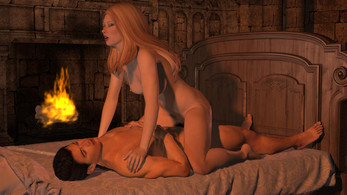
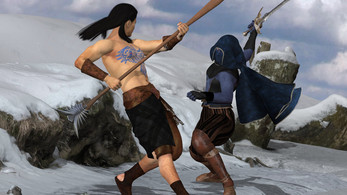
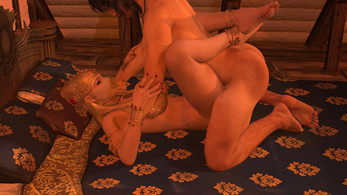
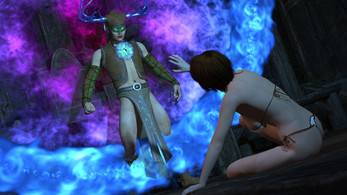
Heroes of Celtica: Dark Druid emphasizes a choice-driven story structure with visible relationship and corruption flags that alter scenes and unlock different options. Each archetype is written as a largely independent campaign with recurring characters and shared locations, which helps preserve continuity while offering distinct story arcs and endings. Illustrative 3D artwork and occasional looping animations are used to accent key moments, and a replay gallery preserves unlocked scenes for later viewing. The soundtrack is rooted in Celtic instrumentation — harp, flutes, pipes and bodhrán — to support atmosphere without overwhelming reading pace.
Gameplay
The core gameplay is narrative decision-making rather than action or puzzle solving. Players read scenes, make choices that adjust internal variables, and then observe how those variables influence subsequent dialogue, scene availability and final outcomes. Relationship meters and corruption tracks are exposed in subtle ways so experienced players can infer trajectory while newcomers can rely on story cues. The experience is paced like a modern visual novel: focused, scene-driven chapters with occasional longer sequences that test moral priorities rather than reflexes.
Controls and Progression
Controls are optimized for touch devices with simple tap-to-advance text, long-press for dialogue history, and skip options for previously read content. Choices appear as clearly labeled buttons and can be navigated without accidental selection. Progression is non-grindy: instead of unlock gates or stamina timers, narrative branches unlock through decision patterns and relationship thresholds. A local save system supports multiple save slots so you can experiment with different choices and return to earlier points to explore alternative branches without replaying entire sections from scratch.
Visual Style and Audio
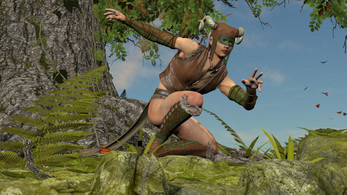
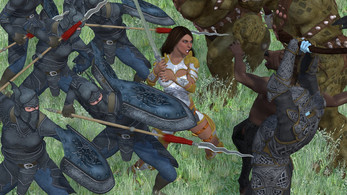
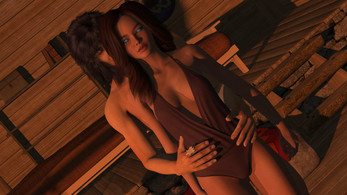
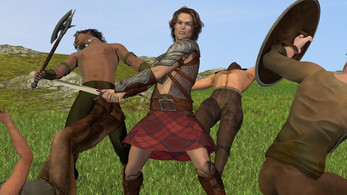
The visual presentation leans toward an illustrative 3D style rendered on a stable, older engine that favors mood and readability over photorealism. Character art prioritizes expression and composition to reinforce dialogue beats, and environments are framed to suggest landscape and mythic scale. Audio design is restrained and scene-oriented: music swells during major story beats, ambient textures underscore travel sequences and selective sound effects punctuate interactions. The goal is to create a consistent tone that supports reading rather than competing with it.
Replay Value and Customization
Replay value comes from multiple archetype campaigns, romance options and corruption pathways that alter not only endings but significant mid-game interactions. The game includes a gallery for revisiting unlocked art and scenes, and a branching map helps track which major nodes you have visited to plan new playthroughs. While there are no character builders or deep combat systems, subtle customization appears through dialogue choices and role-defining decisions that change how NPCs respond and which subplots become available.
Accessibility and Offline Play
Text size and contrast options are provided to improve readability for different lighting conditions and visual needs, and the interface avoids small targets to reduce input errors. The game is playable offline after initial installation so you can read and progress without a constant network connection. Autosave and manual save options reduce the risk of lost progress, and the pacing supports play sessions of varying lengths, from short scene reads to full chapter runs.
Challenge Systems and User Experience
Challenge in Heroes of Celtica: Dark Druid is narrative rather than mechanical: decisions force trade-offs among allies, power and personal integrity. The design encourages reflection by making some consequences delayed or context-dependent, which increases the value of replaying earlier choices. The user experience emphasizes clarity of consequence, responsive interface and an unobtrusive presentation that keeps attention on story and character interactions.
Version Information
From v0.6.0 onward the DRUID storyline—branded as Dark Druid—has been prioritized and receives ongoing updates focused on new scenes, expanded character interactions and tighter scene flow. Future patches will refine UI polish, add more replay gallery content and improve accessibility settings based on player feedback. For the most stable experience, install the latest release and use the in-game save features to experiment with different branches in Heroes of Celtica: Dark Druid without losing progress.