Love at Work is an adult visual novel that mixes sandbox-style exploration with dating-sim mechanics, placing you in the shoes of a young professional on their first office assignment. In Love at Work you navigate hallway conversations, break-room encounters and scheduled meetings while shaping relationships through dialogue choices; the tone leans toward mature themes and workplace romance presented in a narrative, choice-driven format rather than explicit content. This introduction outlines core systems, controls, progression, accessibility options, and how the title supports replayability and offline play so you know what to expect before downloading.
Gameplay and controls
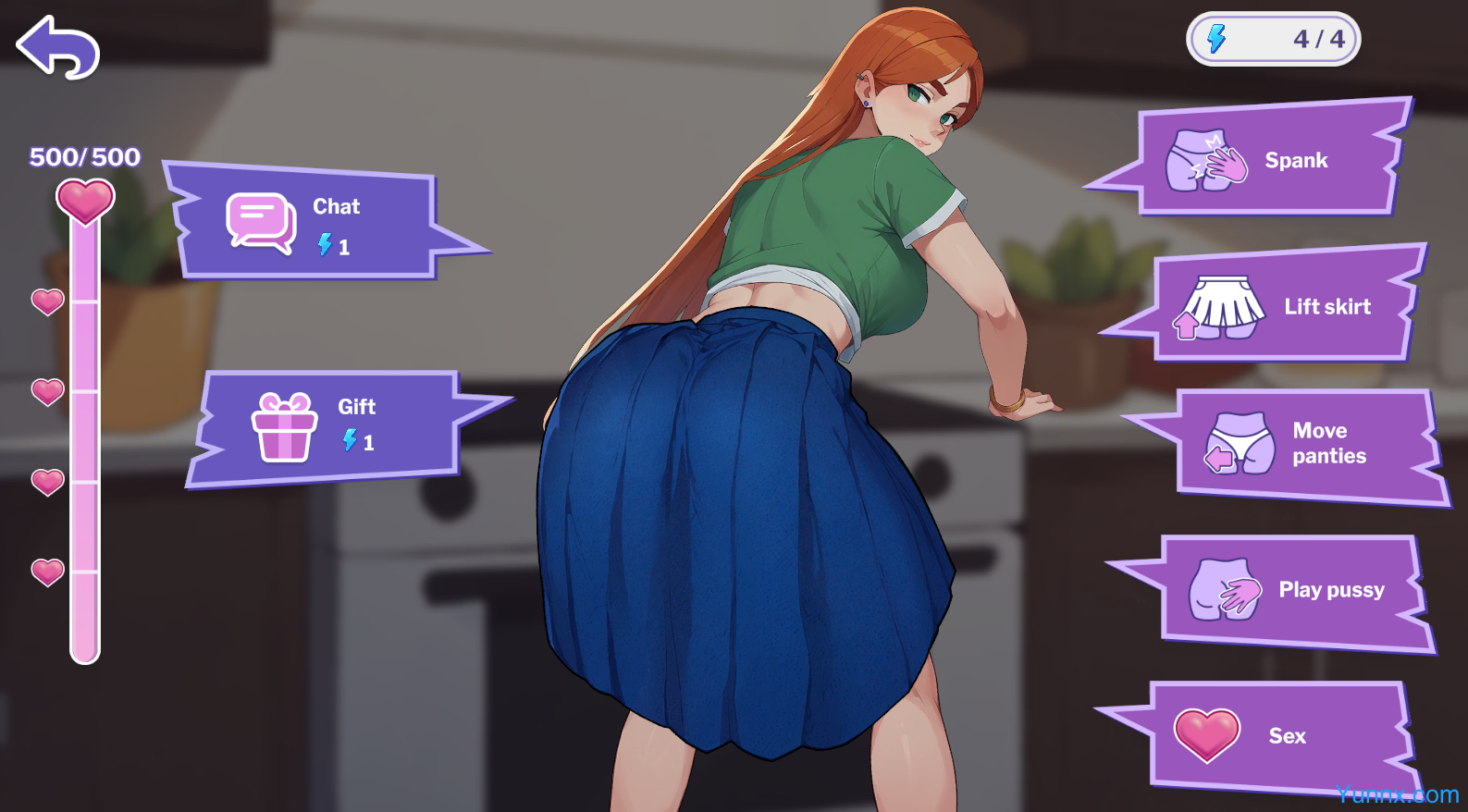
The gameplay in Love at Work centers on branching conversations and free-form exploration inside an office environment. Movement is handled through simple point-and-click or tap navigation for touchscreens, with contextual interactions that let you approach colleagues, examine objects on desks, and trigger scenes. Dialogue choices are presented in a choice wheel or list depending on device orientation, and each selection changes immediate responses and long-term relationship values. Scenes are paced to allow reading and decision-making, and common mobile conventions such as tap-to-advance text, skip unread text, and adjustable text speed are supported to improve comfort for different reading styles.
Progression systems
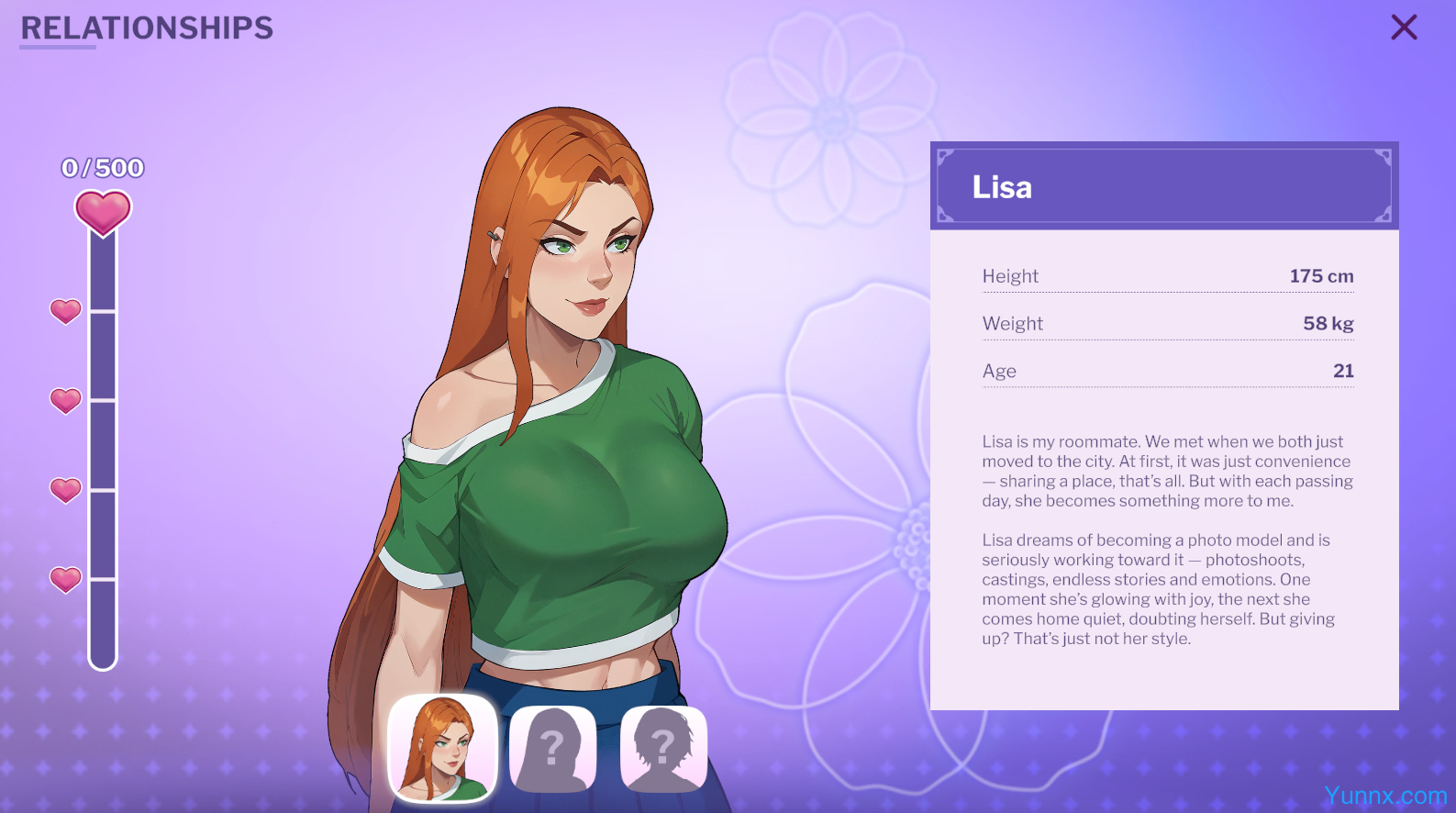
Progress is tracked through a combination of relationship meters and career indicators that reflect both social and professional standing. Completing objectives, attending events, and making particular dialogue choices influence reputation and unlock new story branches or workplace opportunities. The game features chapter-based progression that saves automatically at key decision points, allowing you to return to specific moments to explore alternate outcomes. Multiple endings hinge on how you balance career goals and personal relationships, encouraging deliberate choices and occasional strategic planning to reach preferred conclusions.
Replay value and branching structure
Replayability is a central design goal in Love at Work. The office layout contains optional scenes and hidden interactions that only appear after certain conditions are met, and character reaction profiles change based on prior decisions. Because relationships and career paths intertwine, replaying with a different focus—chasing promotion, prioritizing friendships, or pursuing romance—produces distinct narrative arcs. The combination of branching dialogues, variable scene availability, and multiple endings gives meaningful reasons to explore the story more than once and discover alternate character dynamics.
Visual style and level structure
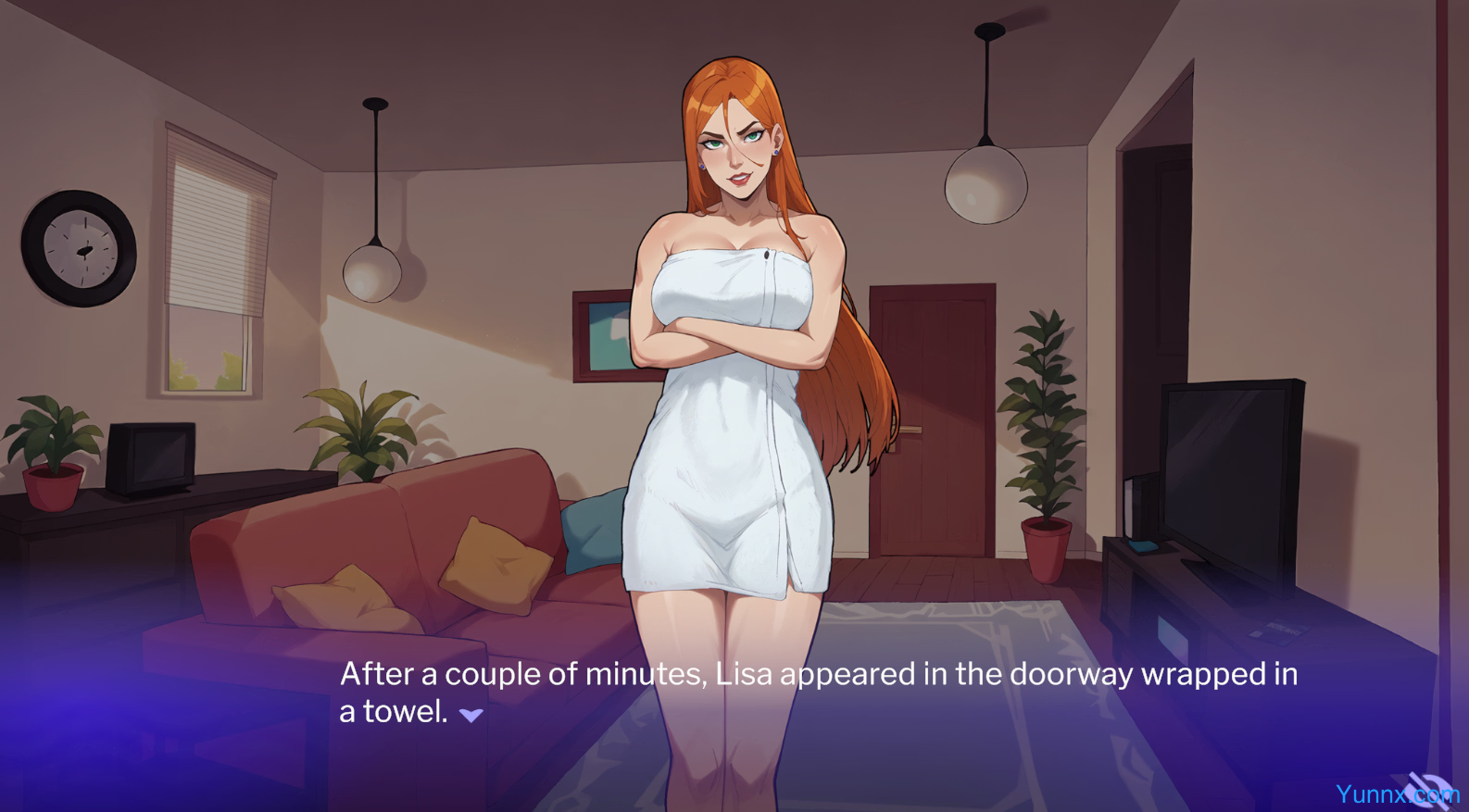
The visual presentation balances character portraits, expressive sprite work, and illustrated backgrounds that convey different office areas such as open-plan floors, private meetings rooms, and social spaces like the cafeteria. Scenes are organized into chapters and smaller beats that correspond to days or events at work, creating a level-like rhythm that mixes free exploration with scripted interactions. Transitions are designed to be clear and readable on phones and tablets, with text boxes and portrait framing that keep conversations accessible without obscuring background detail.
Customization and settings
Settings in Love at Work allow you to tailor the experience to your preferences: adjustable text size, language selection, and difficulty options that affect how forgiving relationship mechanics are. Simple personalization options—such as name input and some choices that shape your protagonist’s tone—help the story feel more personal without changing the main plot beats. Save management supports multiple save slots so you can maintain different playthroughs focused on alternate strategies or endings.
User experience, accessibility, and offline play
The user interface emphasizes readability and straightforward navigation, with clear prompts and an accessible control scheme for players new to visual novels. Accessibility features include text scaling, a high-contrast text option, and toggleable auto-advance for readers who prefer a hands-off pace. Love at Work is designed to run offline once installed, so you can play the story and access previously unlocked scenes without a persistent internet connection; cloud backups are not required for core play to function.
Challenge systems and expected audience
Challenge in Love at Work comes from managing limited opportunities and balancing social and professional goals rather than reflex tests. Some relationship paths require careful attention to dialogue cues and timing, which can be unforgiving for players who skip text or ignore earlier choices. The game is intended for an adult audience because it explores mature themes and workplace relationships in a narrative context; content is presented suggestively rather than explicitly, and parental discretion is advised. Overall, Love at Work offers a layered narrative experience that rewards thoughtful reading, experimentation, and multiple playthroughs for those who enjoy character-driven storytelling.