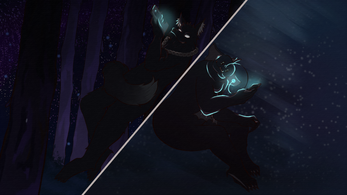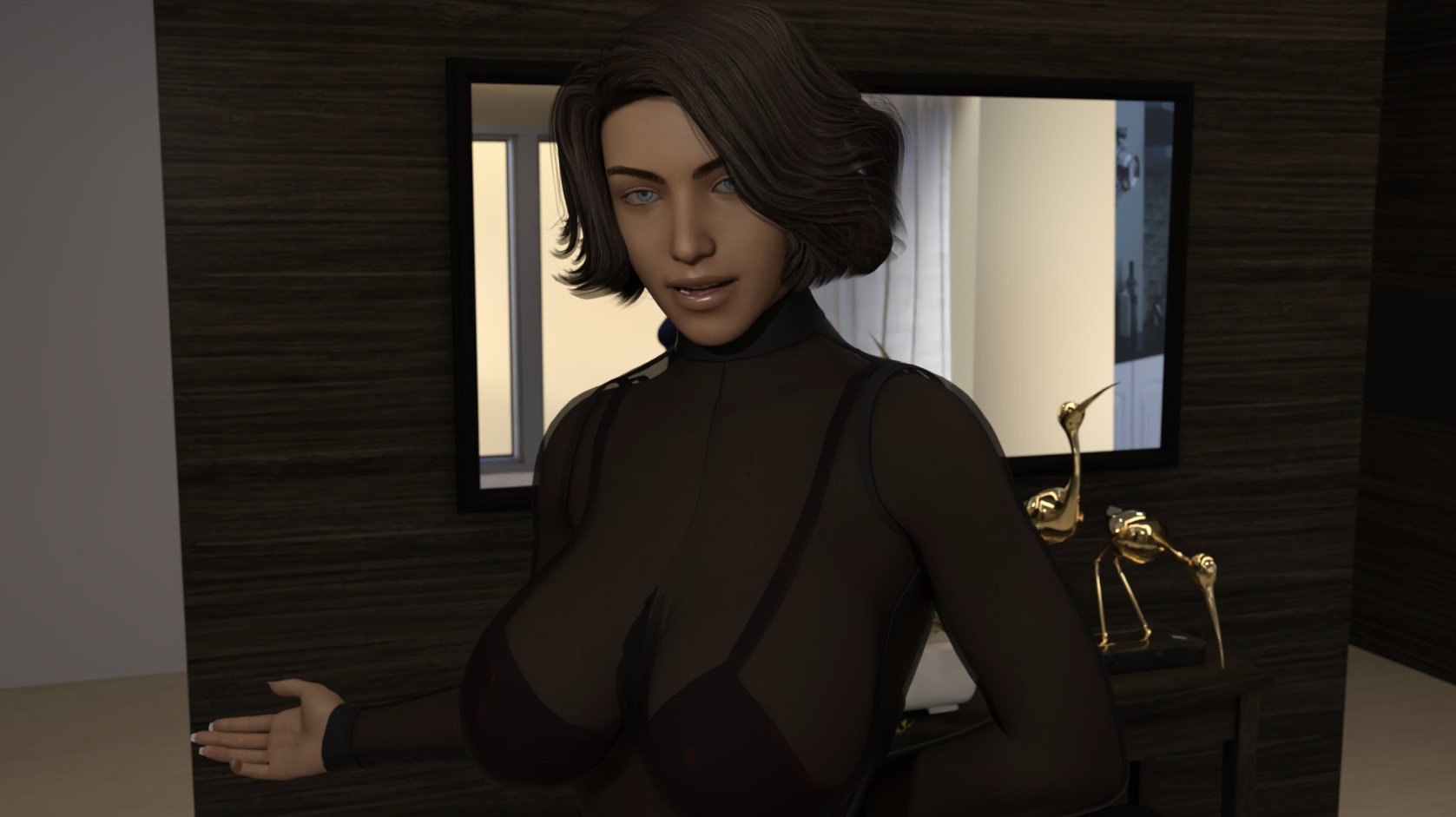
Dark Water is a compact, atmospheric narrative experience that places you alone in a freezing, lightless sea; Dark Water invites players to drift, listen and piece together a short, intense story shaped by mood rather than complex mechanics. The game presents a claustrophobic, immersive world where exploration and attention to small details move the narrative forward rather than combat or scoring, and its restrained runtime makes it suitable for players who prefer thoughtful, experimental titles.
Core gameplay
Gameplay in Dark Water centers on exploration and environmental interaction. You progress by moving through a series of connected scenes, interacting with objects and snippets of text that reveal story fragments and atmosphere. The experience emphasizes pacing and discovery: choices are sparse but meaningful, and the primary challenge is reading the environment, deciphering lyrical clues and following a narrative thread rather than mastering complicated systems. The result is a short, focused session that rewards careful observation and repeat play to uncover hidden details.
Controls and user experience
Controls are intentionally simple and tailored for touch devices. Movement and looking around are handled with intuitive tap and swipe gestures, while context-sensitive taps reveal items, trigger short scripted interactions, or advance narrative text. The interface stays out of the way so the mood can build without interruption. On-screen prompts are minimal and described clearly, and the design aims to create an immediate connection between input and atmospheric response.
Progression and structure
Dark Water is structured into a small number of compact chapters that flow from one scene to the next, with progression driven by exploration rather than resource management or leveling. Players encounter environmental puzzles that are light in scale—finding a path, activating a mechanism, or aligning fragmented text—to open the next narrative beat. There are no complex inventories or craft trees; instead the game offers a linear-but-layered progression where repeated playthroughs can reveal additional fragments and nuances of the story.
Visual style and audio
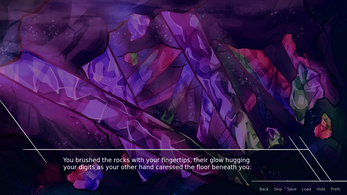
The visuals are handmade by the solo developer, using a restrained palette and textured artwork that supports the game's oppressive underwater mood. Visual cues are deliberately subtle, so small changes in lighting, color and composition carry narrative weight. The audio design is intimate and essential: original music mixes with sounds from public libraries to create an enveloping soundscape. Sound is used both for atmosphere and as a storytelling tool, guiding attention and reinforcing emotional beats without explicit exposition.
Level design and replay value
Levels in Dark Water are compact, tightly edited scenes rather than open-world spaces. Each area is designed to reward careful listening and examination; returning to earlier scenes with new context often reveals previously overlooked lines of text or artwork. That careful layering creates replay value: though the overall playtime is short, multiple sessions allow players to experience different emotional shades and to find subtle variations in the narrative. The developer has also planned an additional ending and extra assets for future updates to increase depth and replayability.
Accessibility, settings and offline play
The game takes a minimal approach to accessibility and settings appropriate to its size: subtitle toggles and adjustable audio volume are available to help players who prefer clear text or different sound levels, and text size options improve readability. High-contrast modes and additional accessibility options are considered for future patches as the developer iterates on feedback. Dark Water runs entirely offline in its single-player format and requires no network connection to play, which keeps the experience private and uninterrupted.
Challenge and pacing
Challenge in Dark Water is psychological and interpretive rather than mechanical. Tension is created through pacing, limited visibility and poetic hints rather than fast reflexes or timed trials. Players who enjoy slow-building disquiet and narrative ambiguity will find the game deliberately unsettling; others may notice rough edges typical of a jam project, where scope and polish were reduced to meet a short development window.
About the developer and future updates
Dark Water was created by solo developer GatoRon as an entry to the 2026 May Wolf Game Jam, combining handmade art, original writing and a focused soundscape. The current release reflects the constraints of a jam timeline—there are known typographical and polish issues—but the developer intends to publish updates that address errata, add extra art and music, and include an additional ending to expand narrative possibilities. Fans of personal, experimental storytelling will appreciate the intimate voice and artful design that define Dark Water.