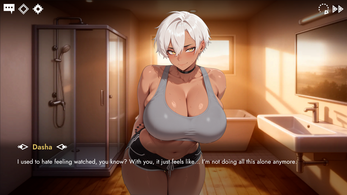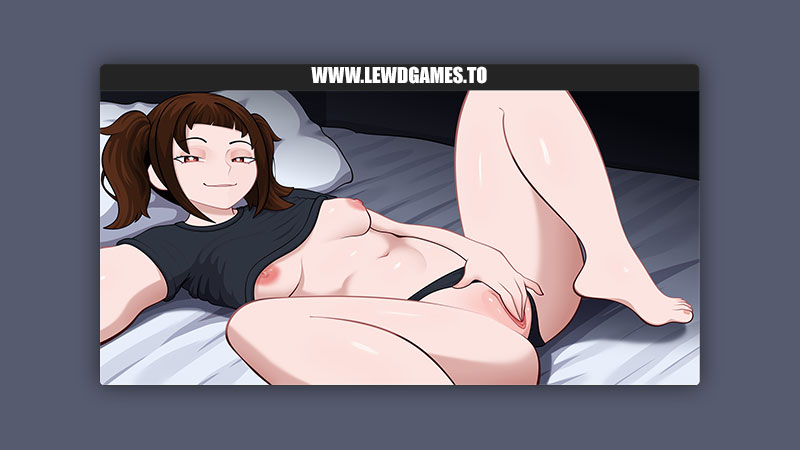
Tomboy Dasha is an adult-oriented visual novel that places the player at a reunion with a childhood friend in the Russian city of Samara; in Tomboy Dasha you play as a roommate navigating episodic chapters of conversation, mood and evolving relationships. The introduction sets character chemistry and tone, and the writing-driven design keeps interaction focused on choices and the gradual reveal of scenes rather than action or arcade-style play. This description outlines the core systems, presentation and user expectations so you know what to expect before installing.
Gameplay and controls
The core gameplay in Tomboy Dasha is choice-driven storytelling: scenes advance primarily by selecting dialogue options that shift relationship dynamics and open alternative narrative paths. Controls are intentionally simple to let the writing and visuals take center stage — on mobile devices you progress with tap or swipe gestures while desktop players use click and keyboard navigation. Standard visual novel conveniences are supported, including auto-advance, text skip for previously read text and a basic save/load system to experiment with alternate choices. The decision structure emphasizes meaningful branching where options affect mood, access to later episodes and which gallery assets become available, rather than single-use or arbitrary choices. Pacing is configurable so you can linger on key moments or let scenes flow continuously during longer sessions.
Progression and replay value
Progression is built around a branching narrative and collectible visual content. As you replay chapters and explore different responses you unlock alternate scenes, cinematic frames and gallery assets that document story milestones. The game includes a set number of animated adult scenes and collectible illustrations that appear once you reach specific relationship states, encouraging multiple playthroughs to experience all outcomes. Episodes are arranged as self-contained beats within a larger arc, which supports branching endings and distinct tonal shifts depending on earlier choices. Save slots and a clear episode map help you return to pivotal moments to test new paths without replaying unrelated material.
Visual style and presentation
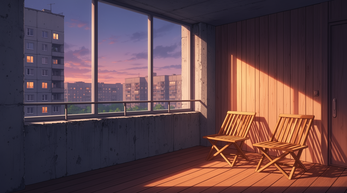
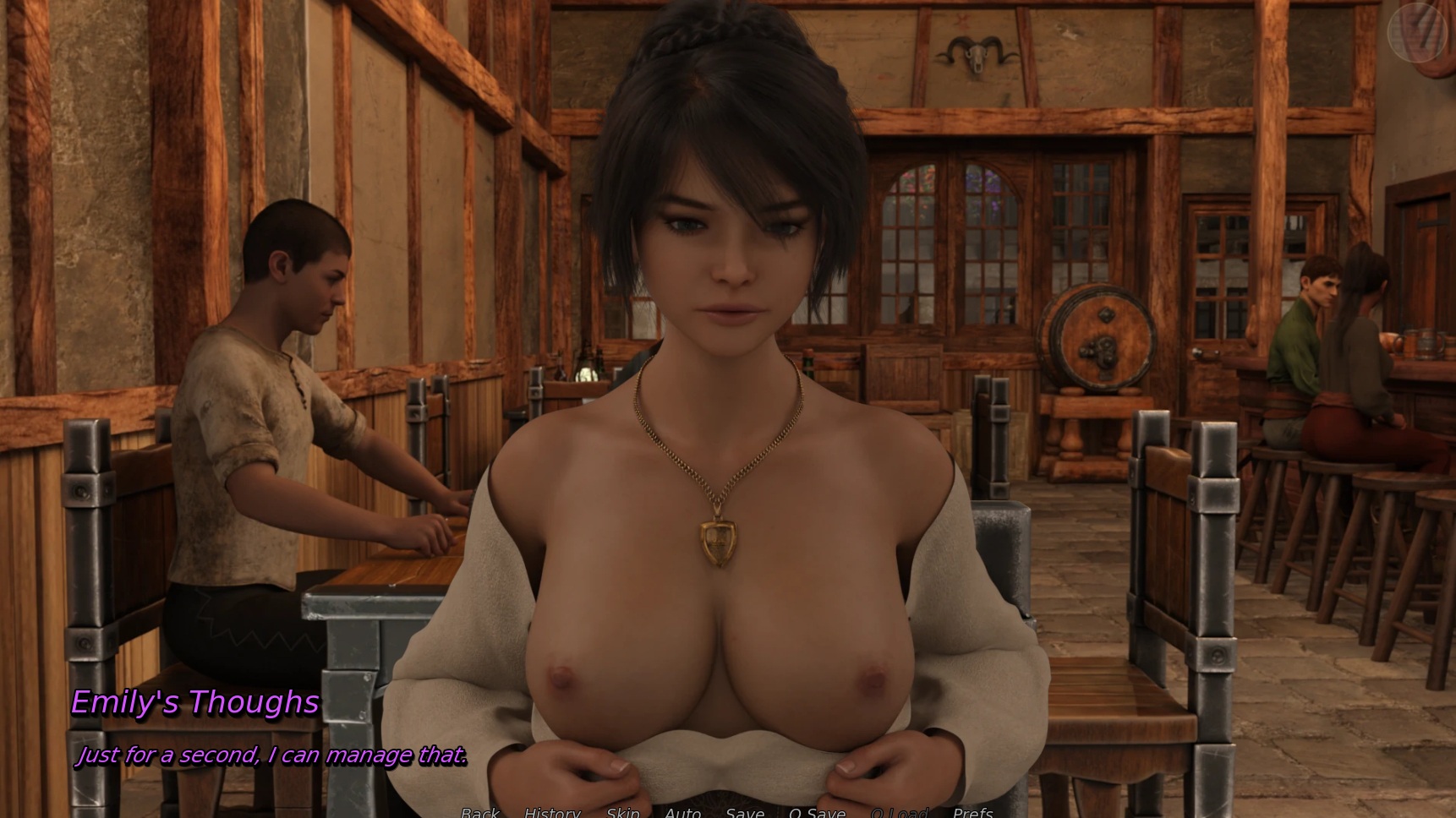
The art direction emphasizes character expression, environmental detail and short animated sequences that highlight key beats in the story. Locations in Samara — from city streets to local beaches and shared living spaces — are rendered to create atmosphere and to reflect the emotional tenor of scenes through lighting and composition. Animated sequences and CG artwork are used sparingly to punctuate turning points and important reveals, while the interface keeps text readable and unobtrusive so visual storytelling remains central. The overall presentation balances still-frame visual novel conventions with occasional motion to create a cinematic feel without overwhelming the narrative.
Accessibility and compatibility
Designed to run across common desktop and mobile platforms, Tomboy Dasha has modest performance requirements and can be played offline after installation. Accessibility options include adjustable text speed, simple contrast controls for better readability and a hideable HUD for an uncluttered view of scenes. Control schemes adapt to both touchscreens and traditional inputs, and multiple save slots let players manage branching paths and experiment without losing progress. These features aim to make the title approachable to a range of devices, reading preferences and play styles.
User experience and expectations
Players should expect a character-focused experience that emphasizes pacing, mood and personal interaction rather than action or complex mechanics. Tomboy Dasha is intended for mature audiences and contains suggestive, narrative-context adult content presented without explicit depiction of sexual acts; it is not suitable for younger players. The episodic structure favors short to medium-length play sessions and rewards careful reading and multiple playthroughs to discover alternate scenes and endings. Performance is generally stable on modern hardware, and the save/load workflow reduces friction when pursuing specific relationship branches or gallery items. For readers who prioritize story, atmosphere and branching character interaction, the game offers sustained replay value while keeping controls and settings accessible.