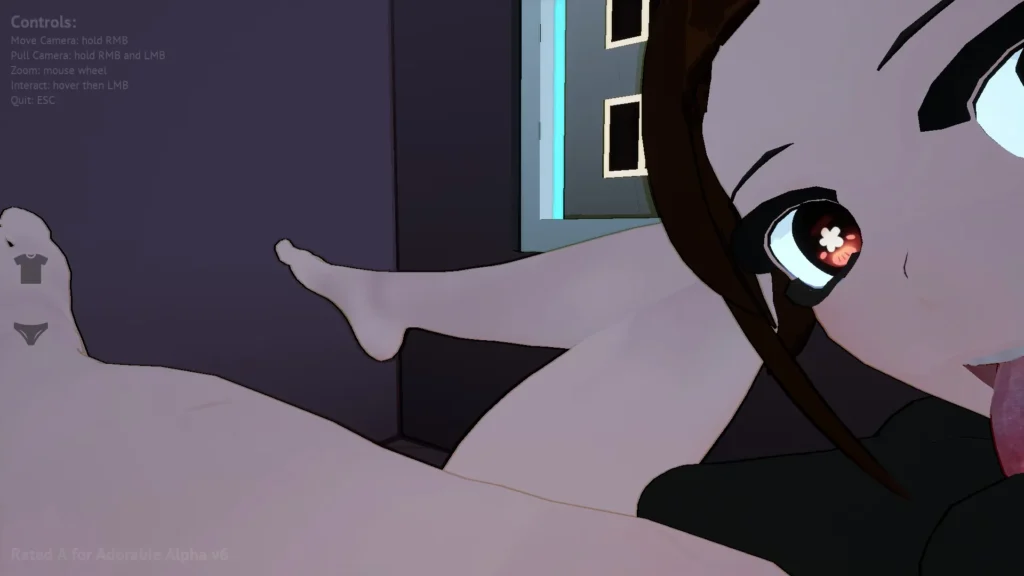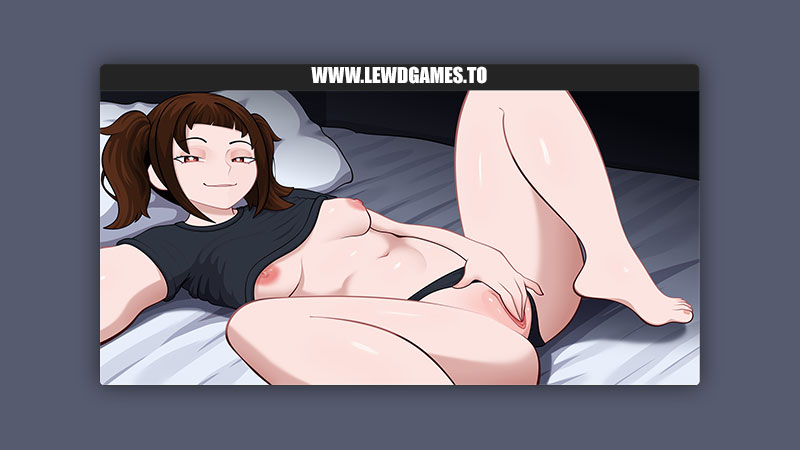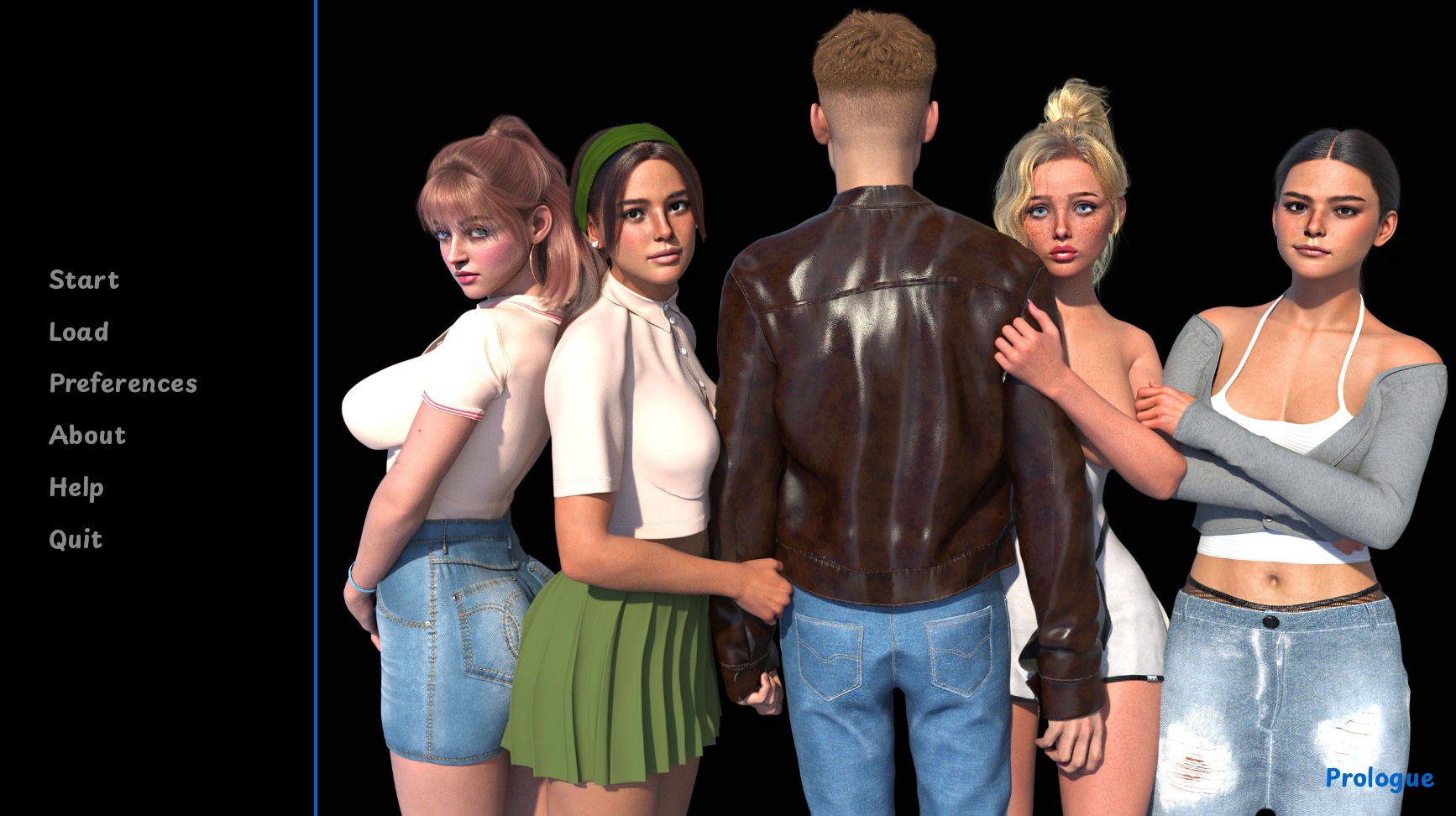
Rated A for Adorable (alpha) is a single-character, solo simulation that places you in control of a physics-driven live scene. This early alpha release focuses on tactile, gesture-based interaction with a richly animated character model, realistic cloth response and flexible camera tools so you can compose and test scenes offline while the team continues to refine mechanics and add content.
Key features
The alpha highlights a physics-first interaction system that responds to touch and pointer input in a direct and intuitive way. Interactions affect the character model and garments through a dynamic fabric simulation rather than scripted poses, producing varied and believable motion. A free camera provides rotation, zoom and framing controls for composing shots, and a library of reaction animations and subtle audio cues gives immediate feedback. All major systems run locally with clear alpha build warnings so testers know what to expect.
Gameplay and controls
Gameplay is built around short, focused sessions that encourage experimentation rather than level progression. Controls are optimized for touchscreens and pointer devices: tap to select, drag to apply force, pinch to zoom and two-finger gestures to orbit the camera. On-screen sliders and toggle switches let you fine-tune sensitivity, physics intensity and camera responsiveness. The interface keeps frequently used controls within reach while exposing deeper parameters for users who want to adjust behavior precisely.
Progression and customization
Progression in Rated A for Adorable (alpha) is intentionally lightweight and local: unlockable visual options, saveable presets and scene templates let you build a personal collection of configurations. Cosmetic variants such as clothing styles, color palettes and simple prop choices alter the look of a scene without changing core mechanics. Presets and unlocked items persist on-device so each session can build on earlier setups, and the system is designed to remain offline-friendly without dependencies on online accounts.
Visual style and audio
The presentation favors clarity and responsiveness over high-end rendering so you can evaluate physics and animation timing during playtests. The visual approach uses stylized character silhouettes, focused lighting and responsive cloth shading that highlight motion rather than photoreal detail. Audio design supports tactile interaction with ambient layers, soft reaction sounds and synchronized cues that emphasize movement and collisions in a way that is informative rather than distracting.
Session structure, challenges and replay value
Sessions are deliberately flexible: choose a scene template, adjust physics and camera settings, and run short experiments to observe how small changes alter outcomes. Replay value comes from emergent behavior created by the physics engine and the ability to save and compare presets. The alpha includes preconfigured scene templates and optional session goals you can try locally, such as timing tests or controlled motion experiments, which provide structured ways to explore the system without adding competitive or online elements.
Accessibility and user experience
The project includes basic accessibility options to make testing more comfortable for a wider audience. Adjustable input sensitivity, reduced motion settings and a simplified control mode are available to reduce complexity for newcomers. On-device performance presets allow you to trade visual fidelity for responsiveness on older hardware. Tooltips, contextual help and a minimal UI hierarchy help new users learn controls quickly while allowing advanced users to access detailed parameters.
Offline play and technical notes
Rated A for Adorable (alpha) runs fully offline for core functionality and does not require an account. The build is labeled as early alpha: expect occasional bugs, incomplete features and ongoing adjustments to physics parameters. The developers maintain a public roadmap and community channels where planned features, bug reports and progress updates are published. Regular updates will focus on polishing mechanics, expanding customization options and improving stability.
Development and credits
This project is developed by a small team with contributions from visual and audio creators; icon and banner art credit goes to @NinguemFam0s0 and voice work is credited to @MagicalMysticVA, with additional iconography by Pixel perfect. The team funds development through supporter contributions and actively solicits feedback from early testers to guide priorities. If you want to follow progress, report issues or view the roadmap, links are provided from the app page.