The Ares Fall places players aboard a stratified orbital station where rank defines access, relationships, and consequences; this narrative-driven title centers on Leo Kaito as he navigates an uneasy relationship with Kaira and a mother whose routines have become quietly suspicious. The Ares Fall blends psychological science fiction with deliberate pacing and choice-driven mechanics, delivering an experience that favors moral ambiguity and character study over action. Players will encounter a persistent low hum across the station, subtle behavioral shifts among NPCs, and decision nodes that steer intimacy, loyalty, and career pressure while maintaining a tense, compact atmosphere.
Key Features
In The Ares Fall the social hierarchy is a core mechanical and narrative engine: tiers of access change what areas you can enter, which conversations are available, and which story threads become visible. Conversations are built around branching choices rather than quick-time events, and many interactions track long-term flags that alter later possibilities. The game emphasizes psychological tension through environmental cues, NPC behavior changes, and layered consequences for seemingly small decisions; thematically it explores power, betrayal, and the personal costs of advancement inside a closed community.
Gameplay and Controls
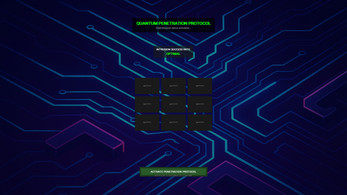
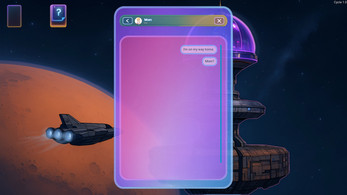
Gameplay focuses on dialogue, investigation, and resource management of time and attention. Controls are optimized for touch devices: tap to progress dialogue, swipe to examine areas of a room, and hold gestures to review character dossiers and relationship charts. Decision interfaces present context and likely consequences so players can weigh trade-offs; some choices require balancing incentives such as reputation, emotional fatigue, and professional obligations. There are no arcade-style inputs—success depends on reading social cues, timing discussions, and choosing when to prioritize career moves versus personal connections.
Progression and Replay Value
Progression in The Ares Fall is narrative-first: advancing your rank or unlocking restricted areas depends on a combination of choices, accrued favors, and the reputation you cultivate with key characters. The game uses a modular chapter structure that preserves player agency while enabling branching paths and multiple endings. Replay value comes from exploring different social routes, testing alternative compromises, and uncovering hidden scenes tied to specific station sectors; players who prefer deliberate experimentation will find new consequences and revelations on subsequent playthroughs.
Visual Style and Level Structure
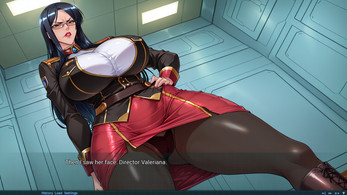
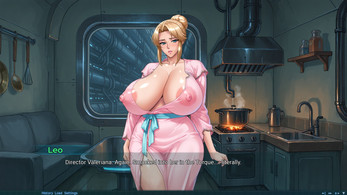
The Ares Fall adopts a restrained, atmospheric visual approach with moody lighting, muted color palettes, and focused environmental detail that emphasize mood over spectacle. The orbital station is built from connected modules—residential tiers, communal hubs, service corridors, and administrative decks—each designed to support distinct interactions and story beats. Visual storytelling is used to communicate shifts in behavior and authority: small changes in lighting, background noise, and NPC posture become meaningful signals as the narrative unfolds, reinforcing the psychological tone without explicit depiction.
Customization and Player Experience
While the protagonist's core identity anchors the story, players can shape interpersonal relationships and career trajectories through their dialogue choices and priorities. The HUD is adjustable with options to resize text, toggle visual indicators for important clues, and choose between concise or detailed dialogue displays. These customization tools let players tailor the pacing and information density to their preferred way of engaging with the narrative, whether they want a tightly focused experience or a more exploratory one.
Accessibility, Offline Play, and Challenge Systems
Technical design aims to be accessible: the game supports offline play with local save slots so you can continue the story without a persistent network connection, and an autosave system preserves key decision points. Challenge arises from resource-like systems such as fatigue and social capital rather than combat, encouraging strategic thinking about when to press a relationship or when to step back. Accessibility options include adjustable text size, high-contrast UI themes, and simplified choice prompts for players who prefer reduced cognitive load. Mature themes are communicated clearly in content warnings and are handled in a neutral, informational way to respect player comfort.