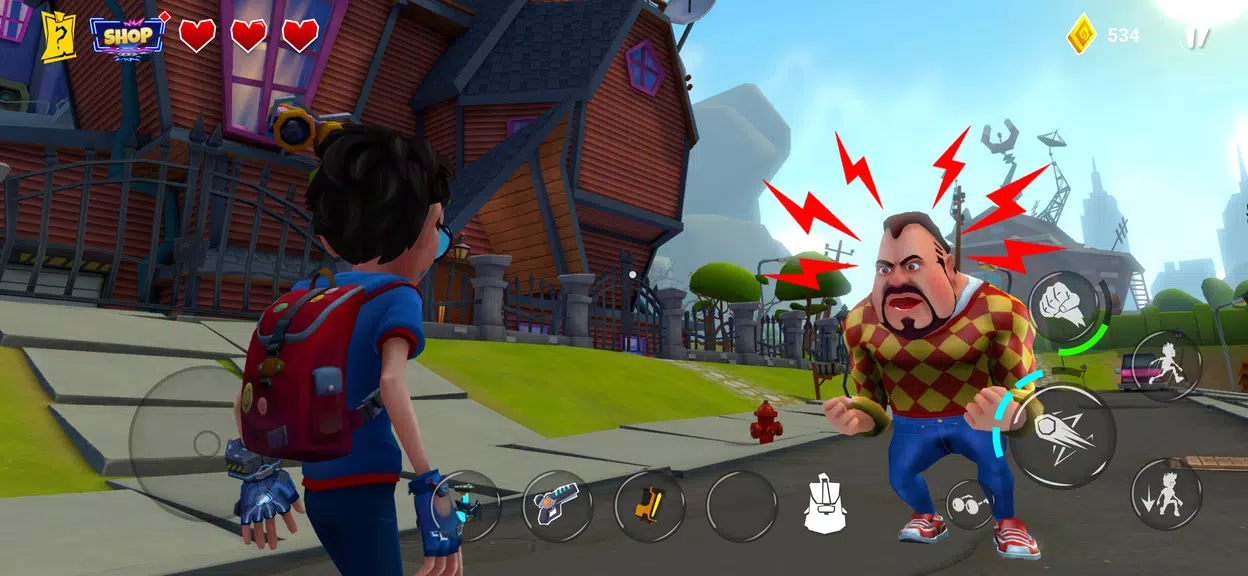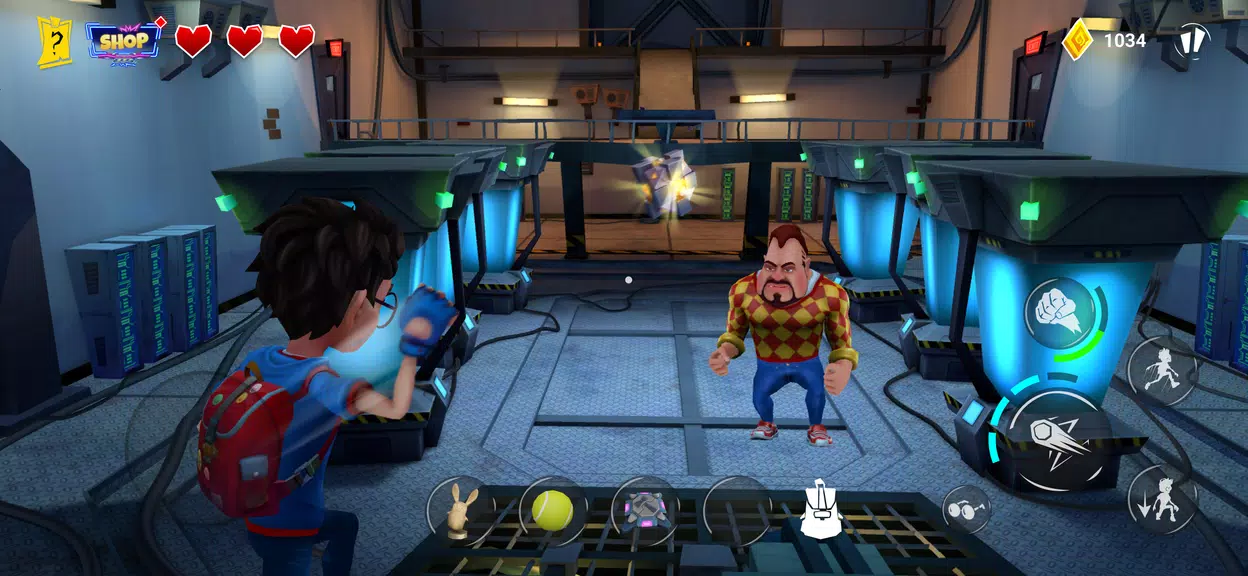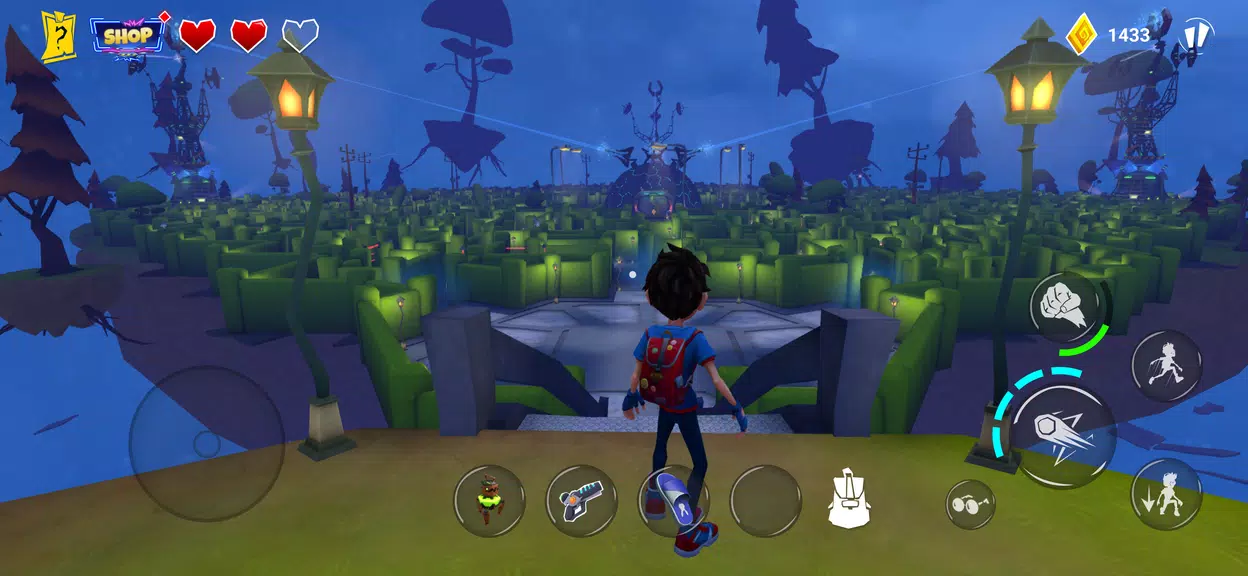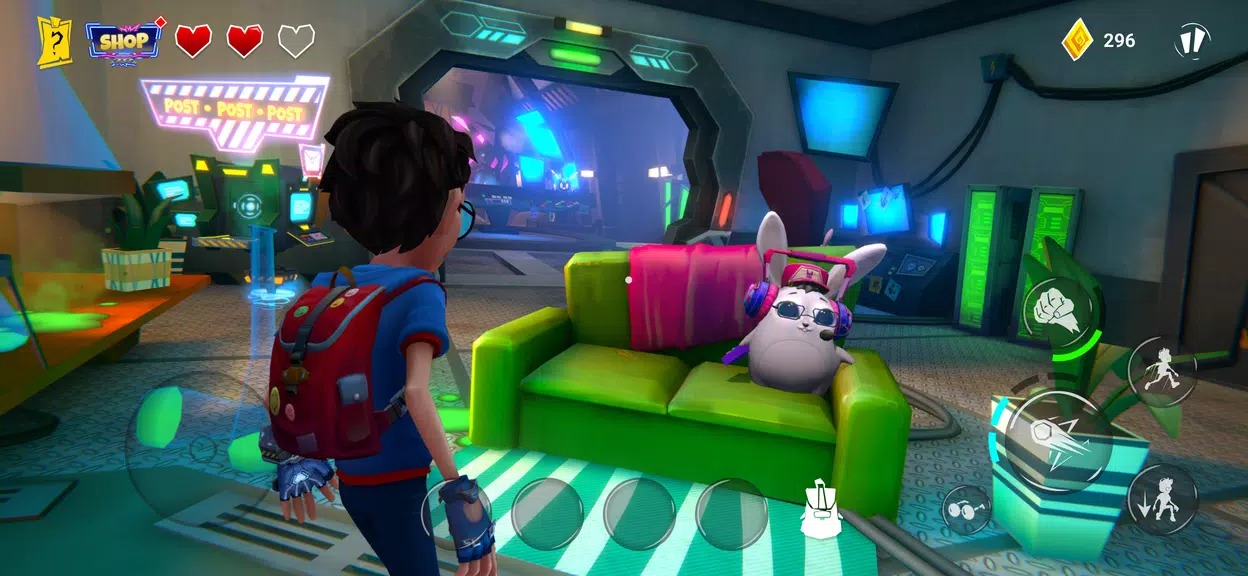
Dark Riddle 3 - Strange Hill places you in a tense third-person adventure set inside a peculiar, semi-open town where every object can be inspected and many surfaces hide a secret. In this installment players follow a quiet but unsettling story about a suspicious neighbour and his family while moving through atmospheric streets, cluttered basements and locked rooms; the description below highlights what to expect from exploration, puzzles and the overall player experience in Dark Riddle 3 - Strange Hill.
Gameplay and core mechanics
The gameplay combines slow-burn exploration with puzzle solving and occasional stealth sequences. You examine interactive objects, combine collected items to overcome obstacles, and trigger multi-stage challenges that often require observation and sequence thinking rather than quick reflexes. Environmental puzzles range from mechanical locks to inventory-based brainteasers, and many solutions can be approached in more than one way depending on the items you have gathered.
Controls and user interface
Controls are designed for touch-based play: tap to interact, drag or swipe to rotate the camera, and use context-sensitive on-screen prompts to pick up, inspect or apply items. The interface emphasizes clear visual cues so you can tell which objects are interactive without cluttering the screen. Tooltips and brief prompts introduce mechanics gradually so new players can learn how to combine items and avoid traps without steep tutorials.
Progression and pacing
Progression in Dark Riddle 3 - Strange Hill is driven by quest completion, item discovery and the unlocking of access to new areas. The story unfolds as you piece together clues from notes, dialogues and environmental hints; solving one puzzle often opens a new location or reveals a companion quest. Optional purchases are available to shortcut certain items or unlock convenience features, but core progression relies on exploration and deduction rather than microtransactions.
Visual style and atmosphere
The visual presentation leans into a moody, slightly surreal aesthetic with muted palettes, dramatic lighting and detailed props that reward careful inspection. Small visual details — a flickering lamp, a half-hidden tool, or an odd family portrait — are used to build tension and provide puzzle clues. The art direction supports the narrative by making corners feel lived-in and by using light and shadow to spotlight potential interactions.
Level structure and exploration
Levels are structured as interconnected areas around the Strange Hill neighborhood, including houses, yards, alleys and a few indoor locations with layered rooms. Exploration is encouraged: backtracking with new items can reveal previously inaccessible sections, and secret passages or locked cabinets often contain useful tools or pieces of the mystery. The game balances linear narrative beats with optional side objectives that expand the story and provide extra challenges.
Customization and player choices
While the game does not focus on character cosmetics, it offers choices in how you approach puzzles—stealthier routes, brute-force item combinations, or careful observation can each be valid. Players can tailor difficulty through in-game settings that affect trap sensitivity and hint availability, and the optional use of purchasable items can change how demanding particular sections feel without altering the story outcomes.
Replay value and challenge systems
Replayability comes from optional quests, hidden collectibles and alternate puzzle solutions that invite a second playthrough to discover everything. Challenge systems include timed traps, multi-stage locks that require sequencing, and stealth segments where detection has consequences. Players who enjoy methodical problem solving will find value in revisiting areas to uncover missed clues or to test different approaches.
User experience, accessibility and offline play
The game provides adjustable control sensitivity, readable subtitles for all dialogue and a simple settings menu to make play more comfortable across devices. Dark Riddle 3 - Strange Hill is designed to be playable offline after download, allowing uninterrupted exploration without a constant network connection. Save points and a forgiving checkpoint system reduce frustration for longer puzzle sequences while still rewarding careful planning.
Tips for new players
Take time to inspect your surroundings, combine seemingly unrelated items, and revisit previously locked areas after acquiring new tools. Keep an eye on character conversations and environmental details — they often point toward hidden mechanisms. If you prefer a less demanding experience, the in-game options and optional purchases can help smooth progression while preserving the mystery and atmosphere that define the experience.