Gold and Glory invites players into a tense PvPvE dungeon crawler where every run is a careful gamble: assemble a team, descend into dangerous depths and risk everything to bring back rare loot. Gold and Glory blends cooperative exploration with competitive encounters against both AI monsters and rival players, rewarding bold strategies, thoughtful loadouts and split-second decisions that can turn a run into a windfall or a loss. This introduction explains how the game plays, how progression works, what to expect from the visual and level design, and which players will appreciate its high-stakes premise.
Core gameplay and mechanics
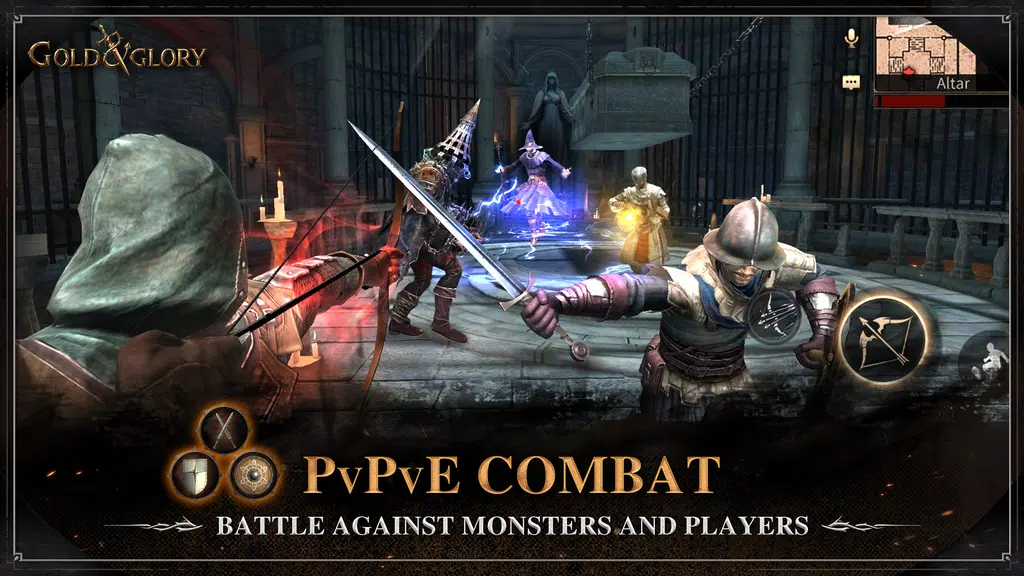
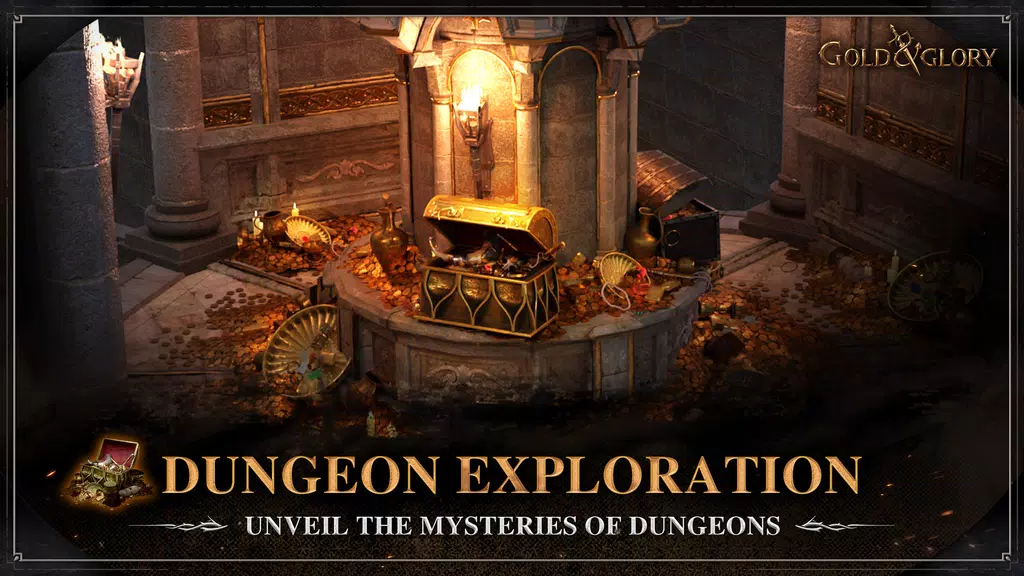
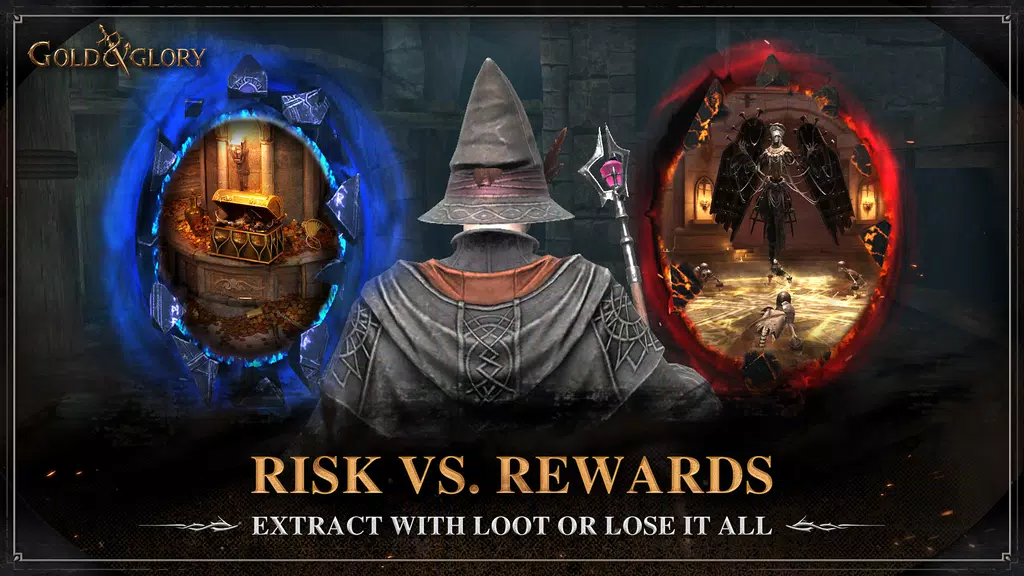
The core loop centers on short, replayable runs through procedurally varied dungeon levels where environmental hazards, trap-filled corridors and guarded treasure rooms create tactical decisions at every turn. Encounters alternate between PvE fights—mobs, minibosses and environmental challenges—and moments of direct player confrontation where rival teams can contest the same objectives. The risk-versus-reward mechanic is explicit: players spend resources and choose gear before a run, and those investments can be extracted as profit on success or lost to defeat, which shapes how groups approach exploration and combat.
Classes, loadouts and customization
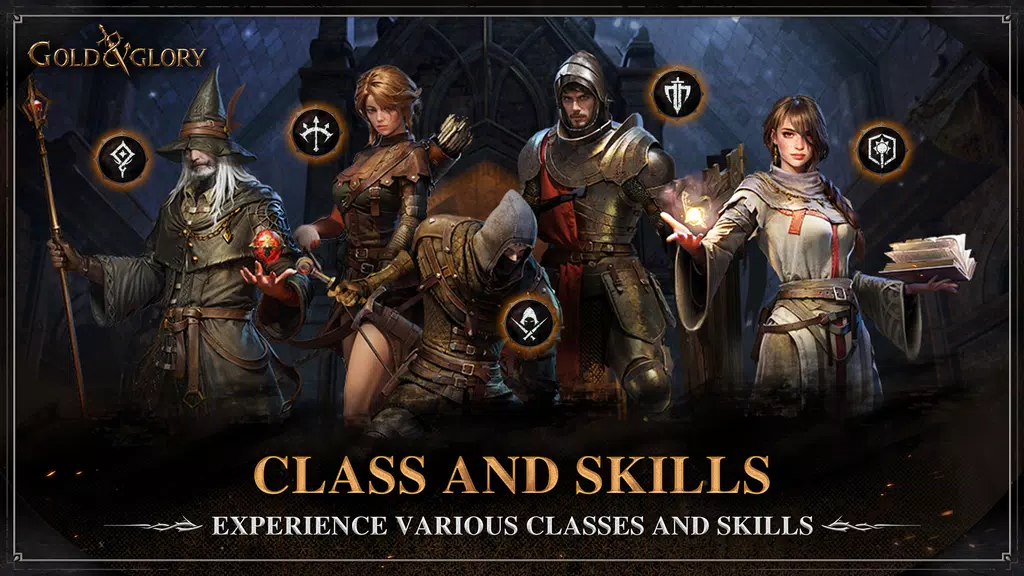
Character roles are clear and distinct, with archetypes such as melee fighters, agile ranged specialists and magic users offering complementary playstyles. Players customize loadouts by selecting equipment, consumables and ability augmentations that influence both individual performance and team synergy. Loadout choices matter because certain tools and items improve survival during extraction, while others increase potential loot but raise risk. Cosmetic customization is typically available for visual variety without affecting balance.
Controls and user experience
The control scheme is optimized for mobile touchscreens, with context-sensitive ability buttons, a mapped movement joystick and an inventory overlay for quick gear swaps during downtime between encounters. A responsive HUD keeps critical information—health, stamina, status effects and on-screen objectives—visible without obscuring the action. Menus for loadout preparation and the in-game market are designed to be quick to navigate so players can make informed choices before each descent.
Progression and economy
Progression is driven by loot acquisition and incremental investments: rare gear, consumables and upgrades become available as players earn spoils from runs. The game supports a market-style trading system where items can be exchanged, letting players refine their builds and target higher-tier equipment through trade or targeted farming. Ranking and seasonal leaderboards provide competitive goals for groups that want to measure themselves against others, while regular resets and tiered rewards encourage repeated play without forcing a single optimal path.
Level design and visual style
Levels are designed to feel atmospheric and dangerous, with distinct biomes that alter encounter pacing and tactical options. Visuals emphasize moody lighting, detailed dungeon architecture and readable character silhouettes so fights remain clear even in chaotic moments. Each depth offers a different challenge profile—tighter corridors reward ambush tactics, open chambers favor ranged combinations, and environmental hazards invite creative problem solving.
Replay value and challenge systems
Replayability comes from a mix of procedural variation, class combinations and the ever-present threat of rival teams. The all-or-nothing model makes each run meaningful: small decisions compound into large consequences, and mastering the rhythm of risk management is its own reward. Difficulty scales through deeper levels and tougher loot tiers, letting experienced groups push for higher stakes while newer players can practice lower-risk runs to learn mechanics.
Accessibility and social play
Gold and Glory supports cooperative team play with matchmaking and social tools that help groups coordinate builds and tactics. In-game tutorials and clear tooltips ease new players into core mechanics without oversimplifying strategic depth. Options for control sensitivity, HUD scaling and colorblind-friendly visual cues make the experience more approachable for a range of players. Because social coordination matters, clear communication and shared goals improve both survival and reward outcomes.
Who should play and potential drawbacks
This game is best suited to players who enjoy loot-driven progression, tactical class synergy and matches where stakes matter. Casual players who prefer low-commitment sessions may find the loss-heavy design frustrating, since investments can be forfeited on failed extractions. Success often depends on team coordination and smart investment choices, creating a steeper learning curve for solo or newly formed groups. For those who appreciate tension, meaningful consequences and emergent multiplayer encounters, Gold and Glory offers a rewarding, pulse-driven dungeon crawling experience.