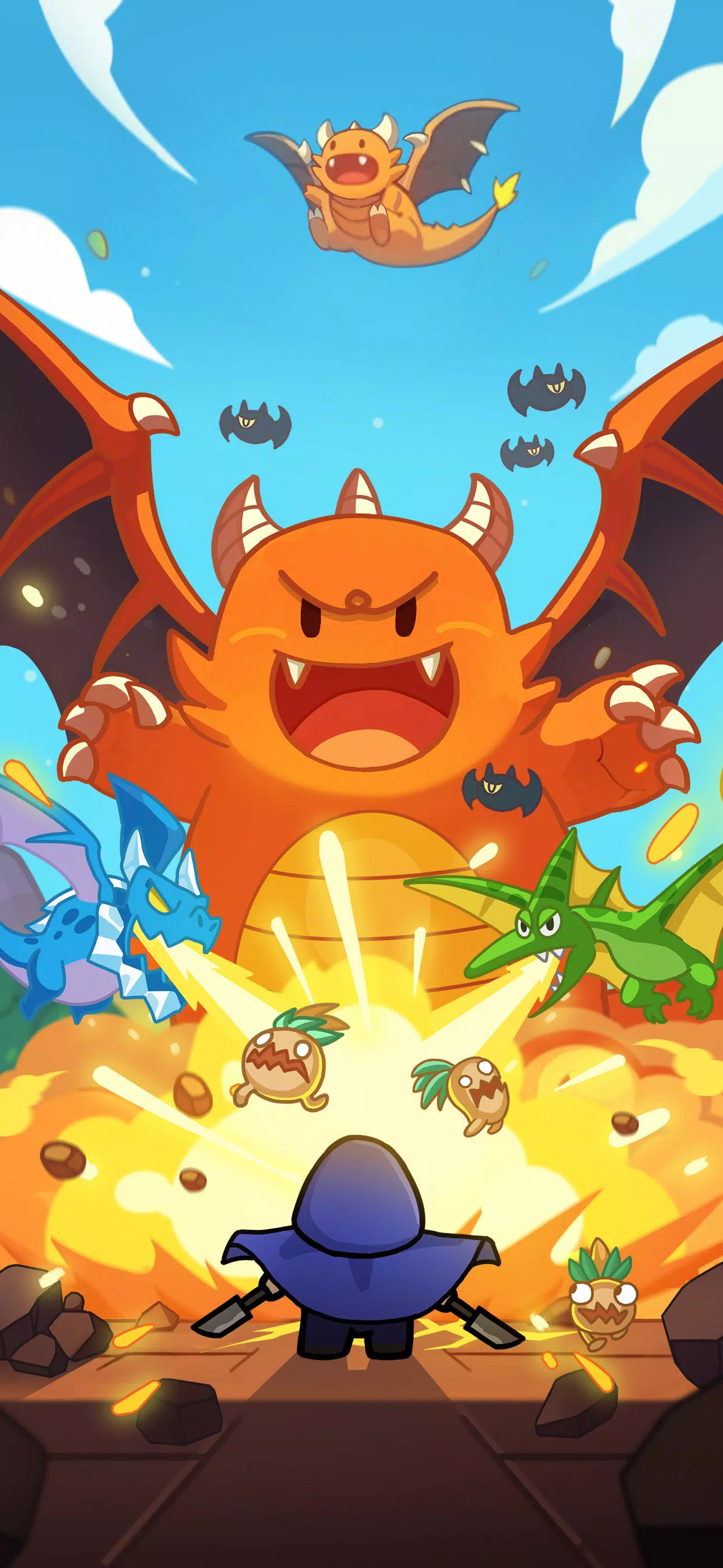
Ranger Runners is a fast-paced idle MMORPG that blends casual pick-up-and-play progression with action-oriented encounters, letting you recruit companions from a tavern and send teams through mysterious sea realms while the game progresses in the background. This introduction outlines the core mechanics and systems of Ranger Runners so you can quickly understand its pacing, control options, and what to expect whether you play in short bursts or longer sessions.
Gameplay overview
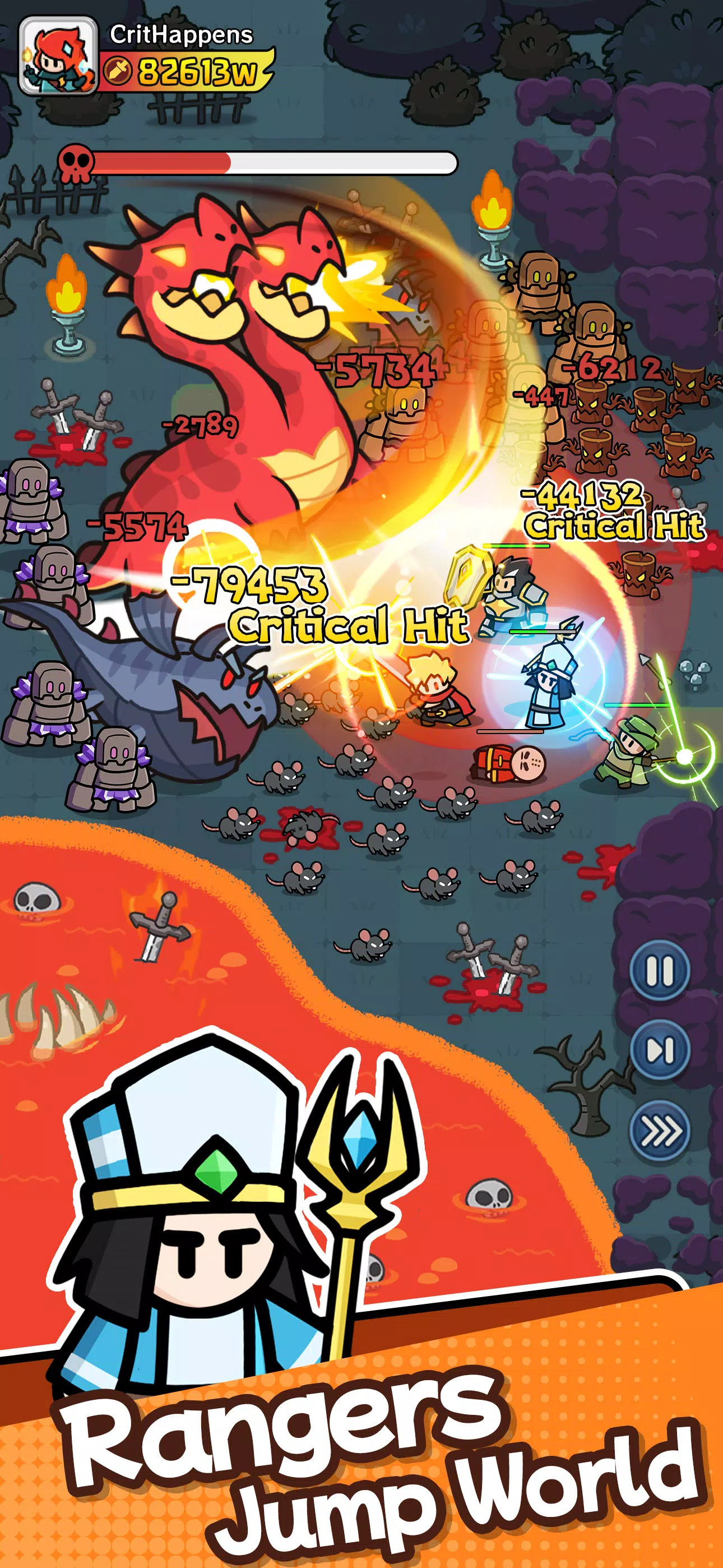
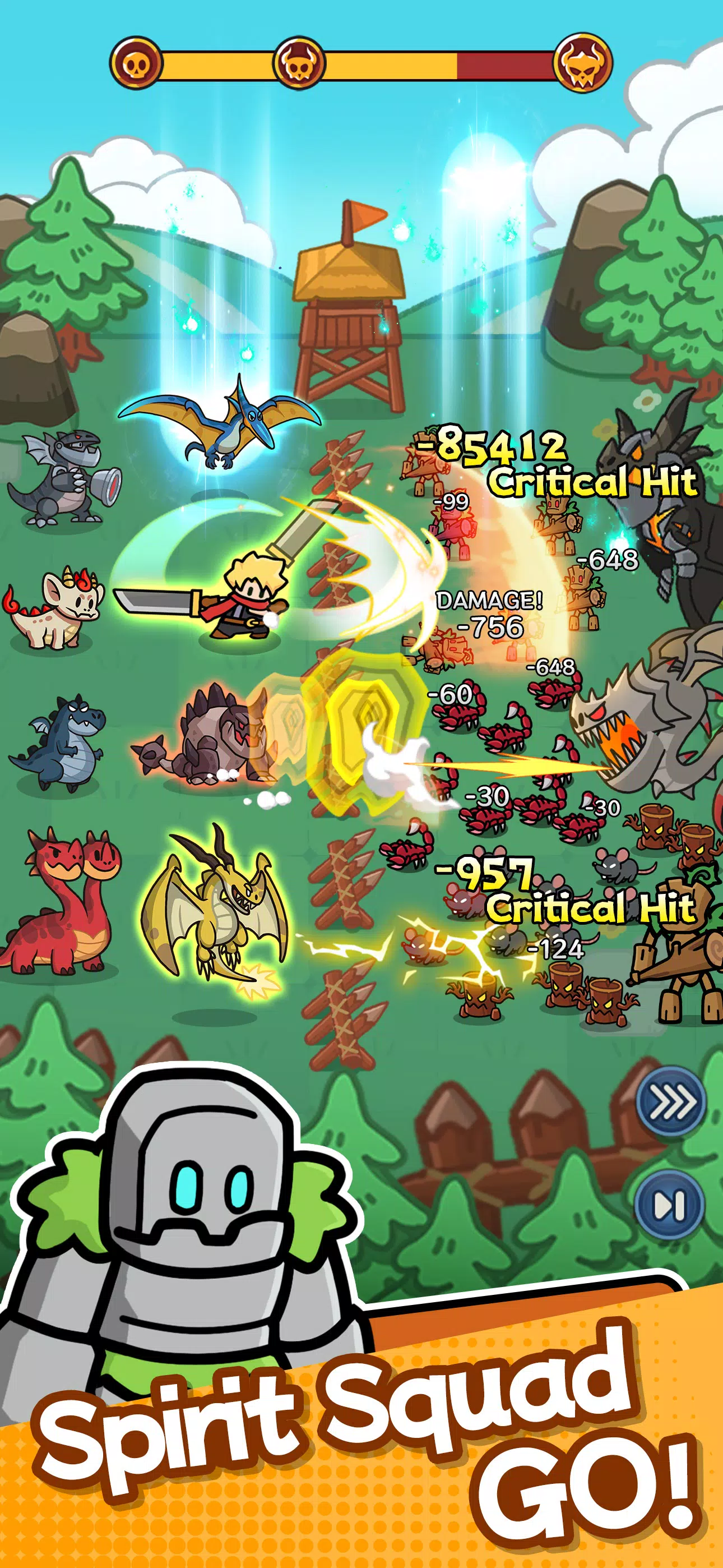
The core loop in Ranger Runners focuses on assembling balanced squads and watching them clear stages and arena-style encounters with automated combat. Battles run on auto by default, but careful team composition and formation choices matter: frontline melee characters absorb damage, while ranged and support heroes deliver area skills, debuffs, or timely heals. Many encounters reward strategic synergies and timing rather than simply higher stats, so testing different lineups and learning enemy patterns is a meaningful part of progression. Stages include multi-wave sequences and occasional scripted moments that reward planning and the right role mix.
Controls and interface
Controls are designed for accessibility and fast sessions: a drag-and-drop formation screen lets you arrange heroes quickly, tap controls upgrade abilities and promote characters, and certain powerful skills can be triggered manually to add a tactical layer. An optional auto-mode accelerates battles and includes speed multipliers for repeat runs, plus an auto-skip for stages you’ve already mastered. The HUD is intentionally uncluttered and supplemented by contextual tooltips that explain ability effects and enemy traits, making it straightforward to evaluate potential swaps and upgrades without digging through multiple menus.
Progression systems
Progression in Ranger Runners mixes steady collection goals with short-term objectives to keep advancement satisfying at any pace. Heroes earn experience and star promotions to boost base stats, while materials from stages and daily rewards are used to upgrade skills and awaken new passive effects. The game balances generous free draws and recurring giveaways with optional value bundles and limited-time boosts for players who want to speed up advancement; rotating events also create focused paths to target specific heroes or systems, allowing players to plan resource use rather than rely purely on chance.
Visuals and level structure
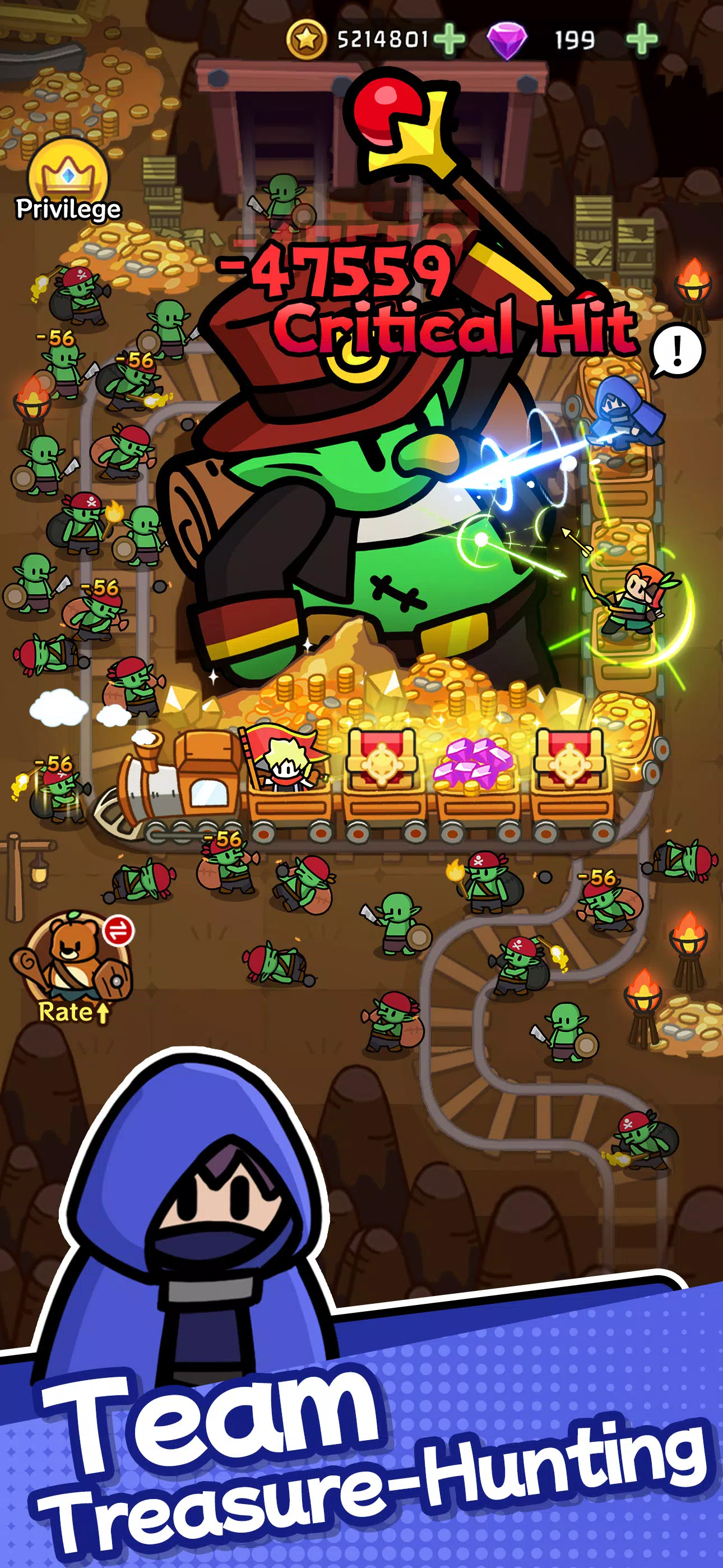
The aesthetic favors a stylized fantasy palette with coastal and deep-sea themes, giving stages a distinct variety from foggy harbors to bioluminescent grottos. Animations emphasize clarity and impact: skill FX are punchy to highlight important moments even when combat runs automatically, and visual cues make it easier to spot combo triggers or interrupts. Level design transitions from simple tutorial stages to multi-wave chapters and special boss encounters that introduce mechanics which encourage thoughtful team composition and ability timing.
Customization and replay value
Team-building is central to replayability. Ranger Runners supports multiple viable builds for many heroes, so swapping companions, changing role distributions, or prioritizing different upgrades can dramatically alter how you approach content. Cosmetic variations and a progression of unlockable talents let you personalize core characters without affecting balance in a way that requires competitive systems. Frequent freebies, hero-focused campaigns, and rotating challenge windows create reasons to return daily to chase milestones, complete collections, and refine your favorite lineups.
User experience and accessibility
The interface prioritizes readability and convenience: scalable text options, clear menu hierarchies, and a visible progression tracker help new players see both short-term goals and long-term targets. A step-by-step in-game tutorial introduces basic mechanics, formation theory, and upgrade paths, while quality-of-life features such as one-tap rewards collection, batch upgrades, and reduced animation modes cut down on repetitive tasks. Performance options allow players on modest devices to dial back visual intensity for smoother gameplay.
Offline play and challenge systems
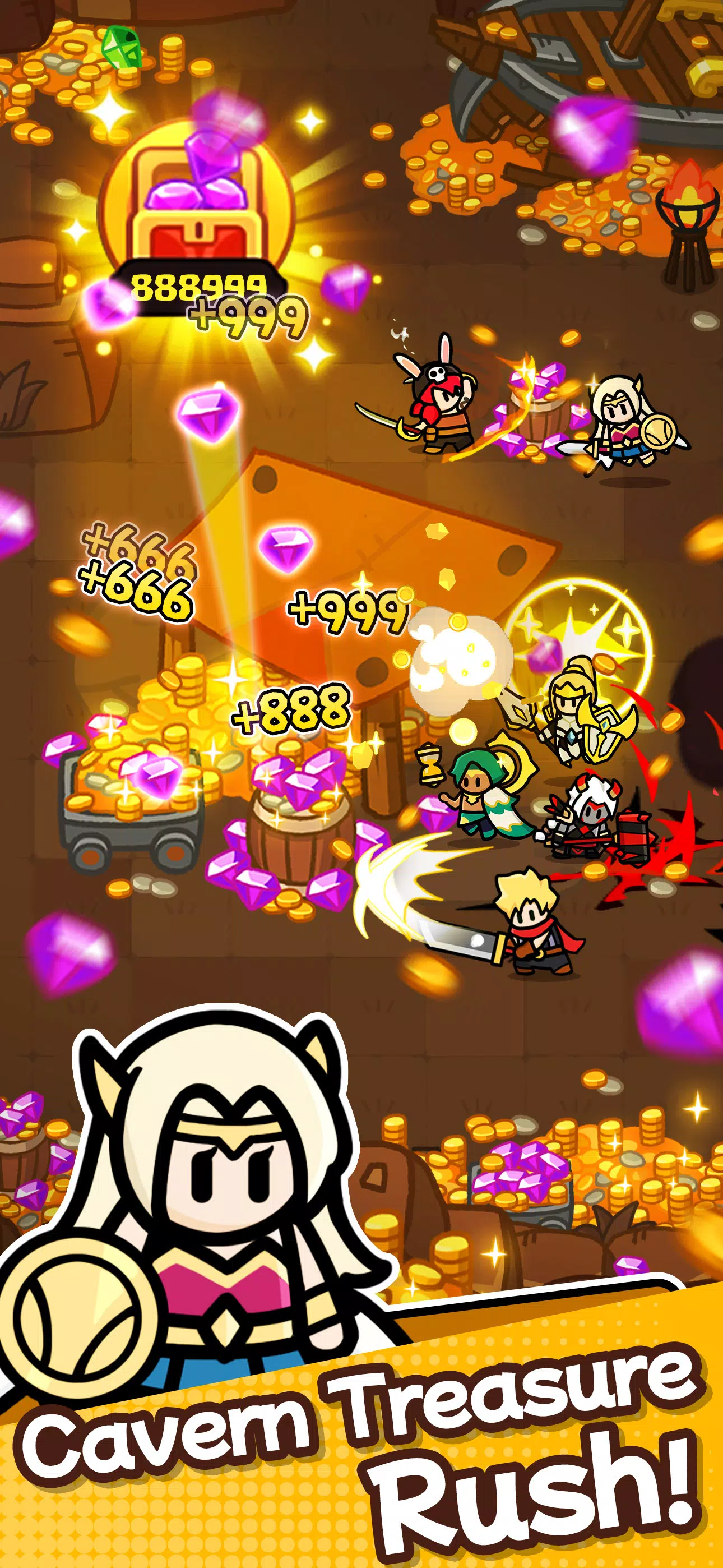
Offline progression is built into the design so your roster accumulates rewards and resources while you’re away, up to a daily cap that ensures steady advancement without forcing constant play. Challenge systems include daily missions, escalating chapter difficulty that revisits older content with tougher modifiers, and timed special stages that test niche lineups or specific mechanics. Together these modes provide both predictable, steady gains and short-term bursts of high-difficulty content for players who enjoy optimizing team builds.
Whether you prefer to focus on hero collection, experiment with lineup synergies, or enjoy relaxed idle progress, Ranger Runners offers a casual-yet-deep RPG cycle with accessible controls, varied stage design, and systems that reward experimentation and planning over pure grinding.