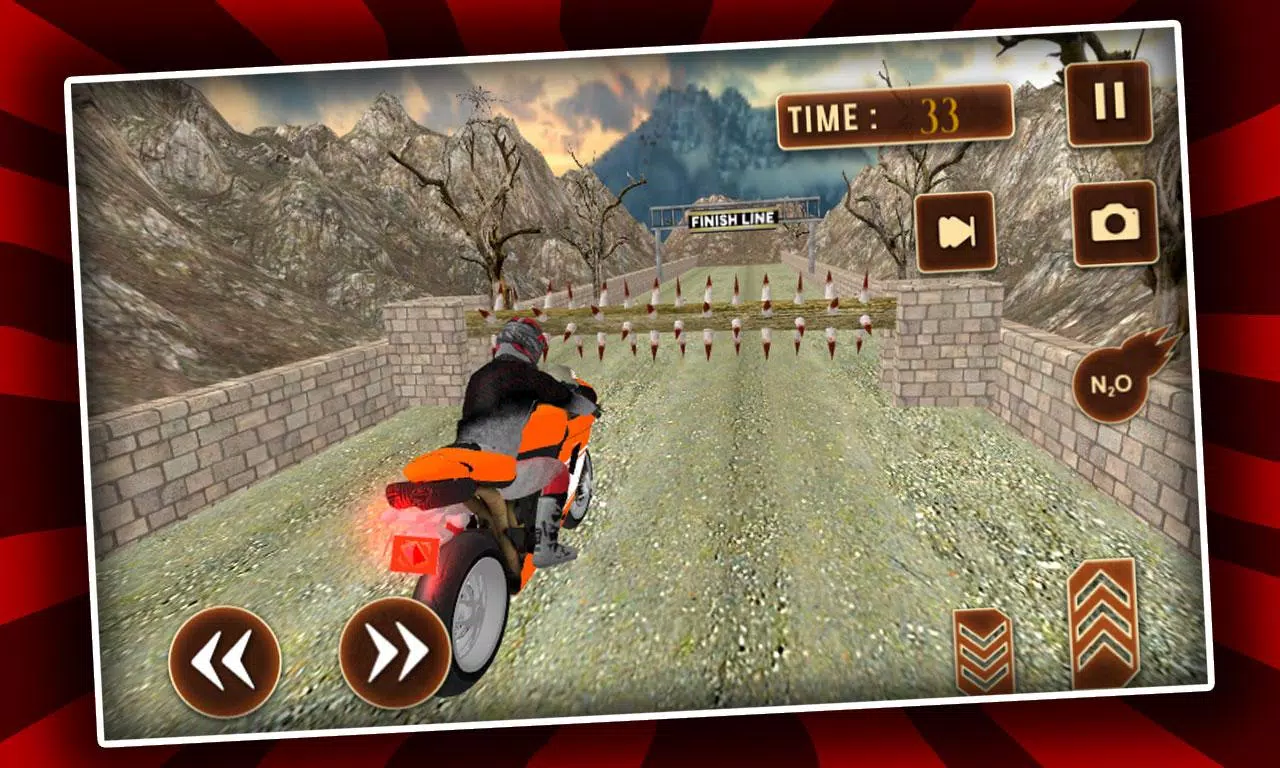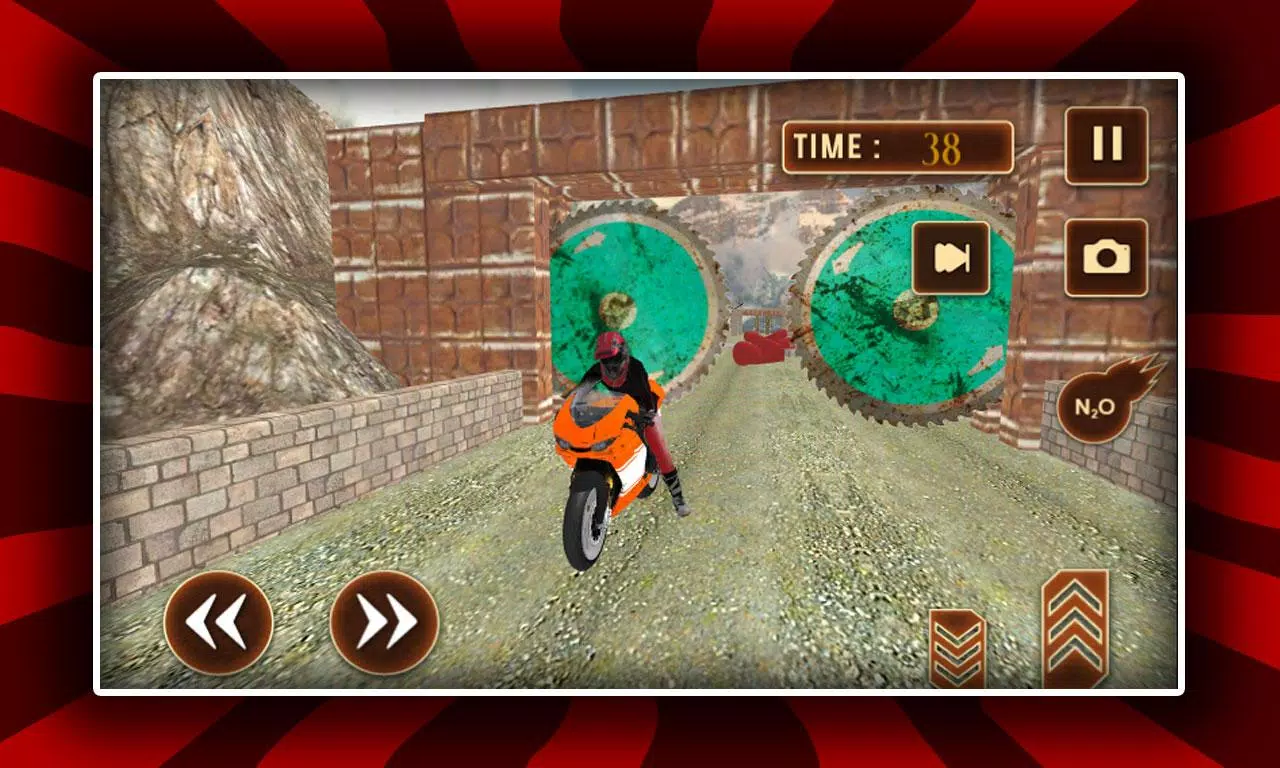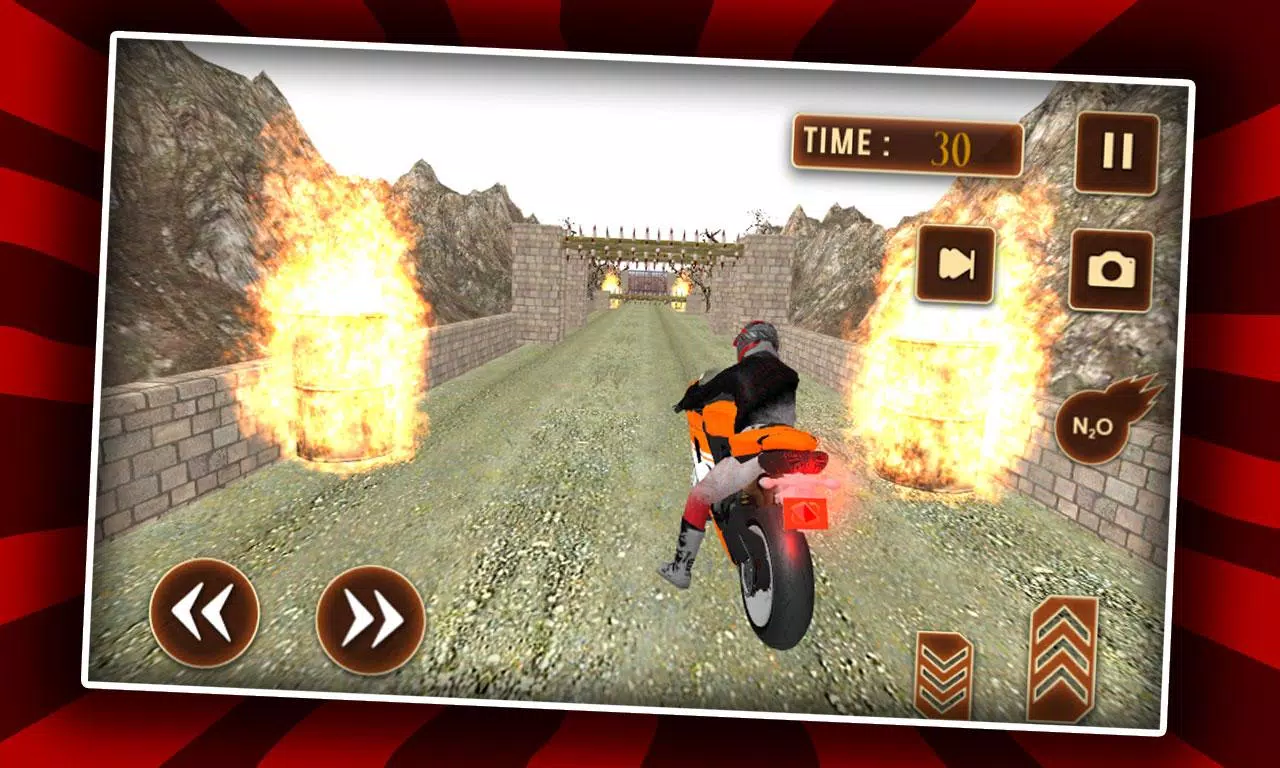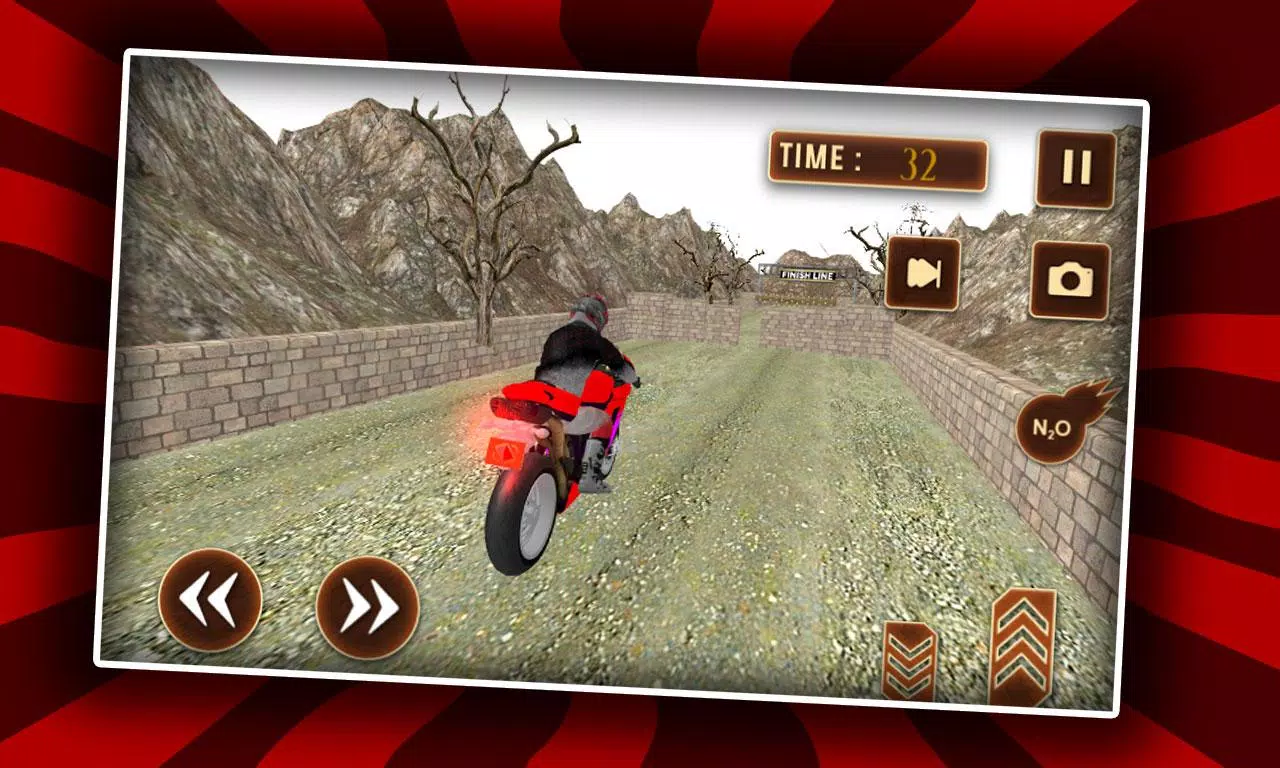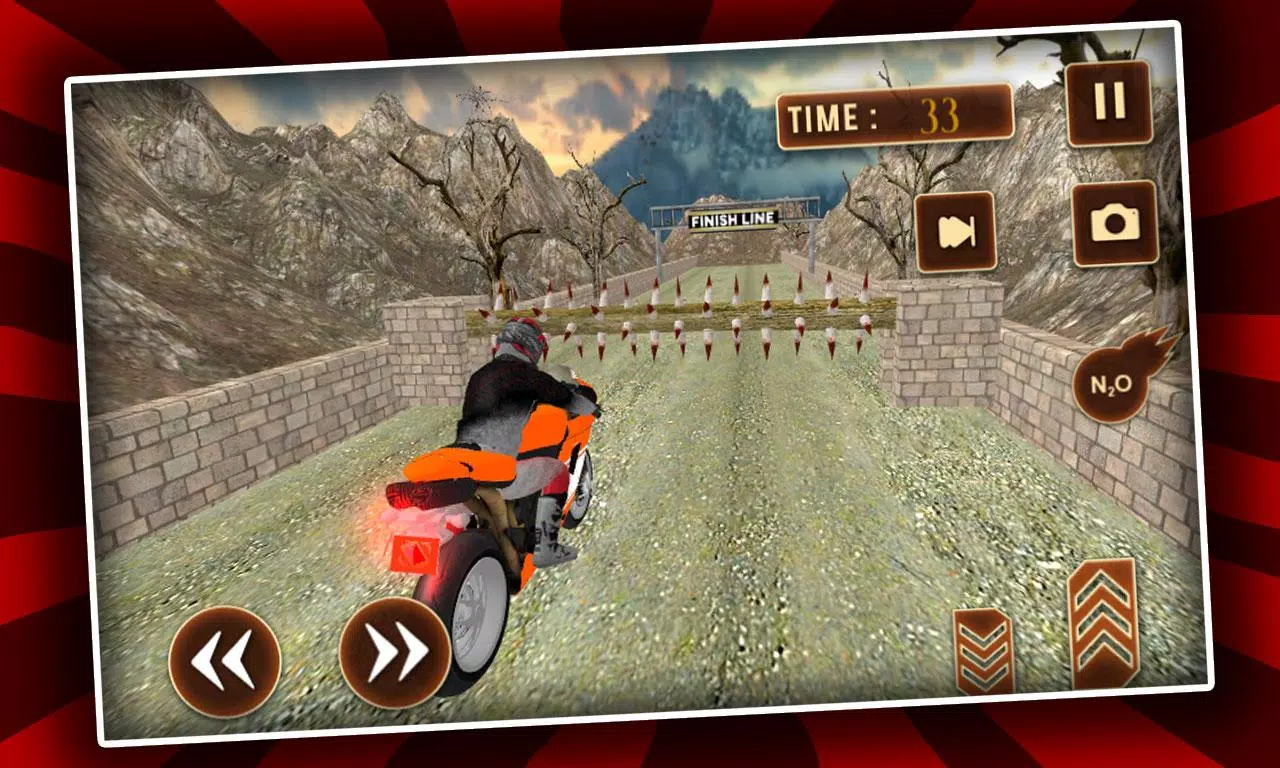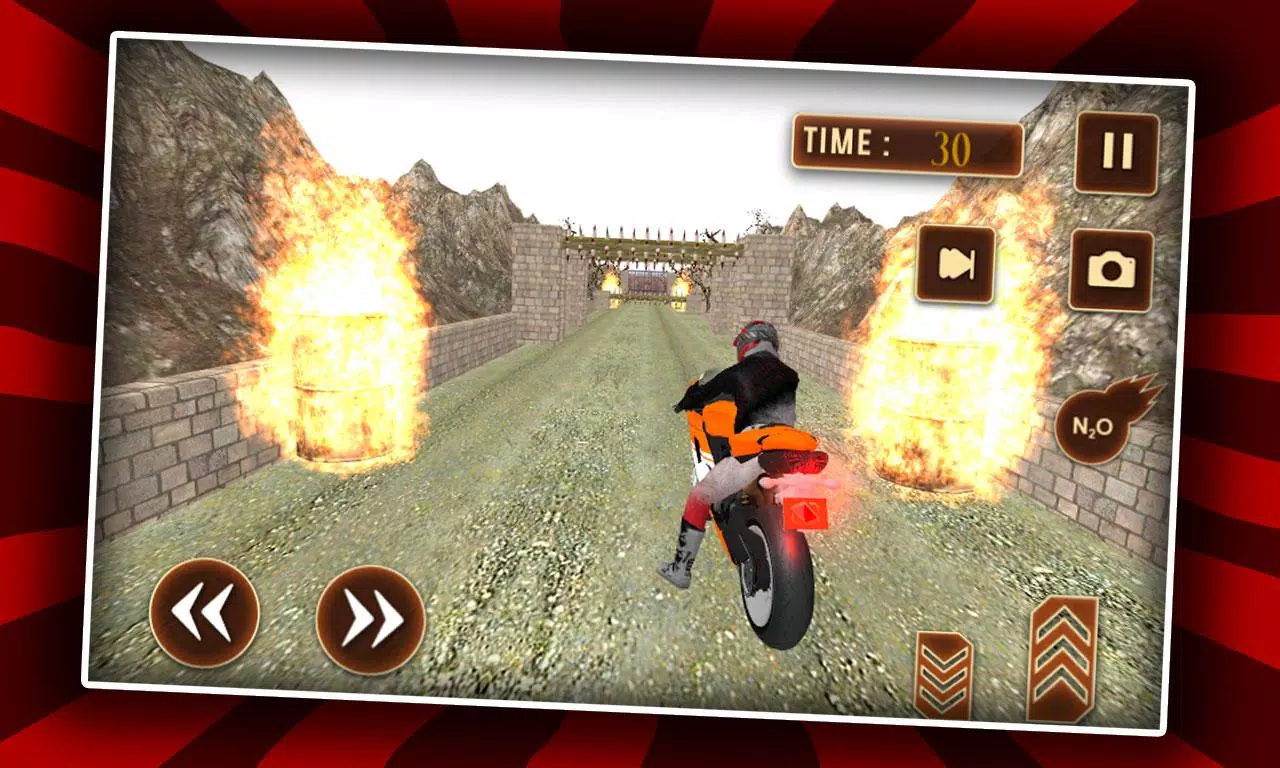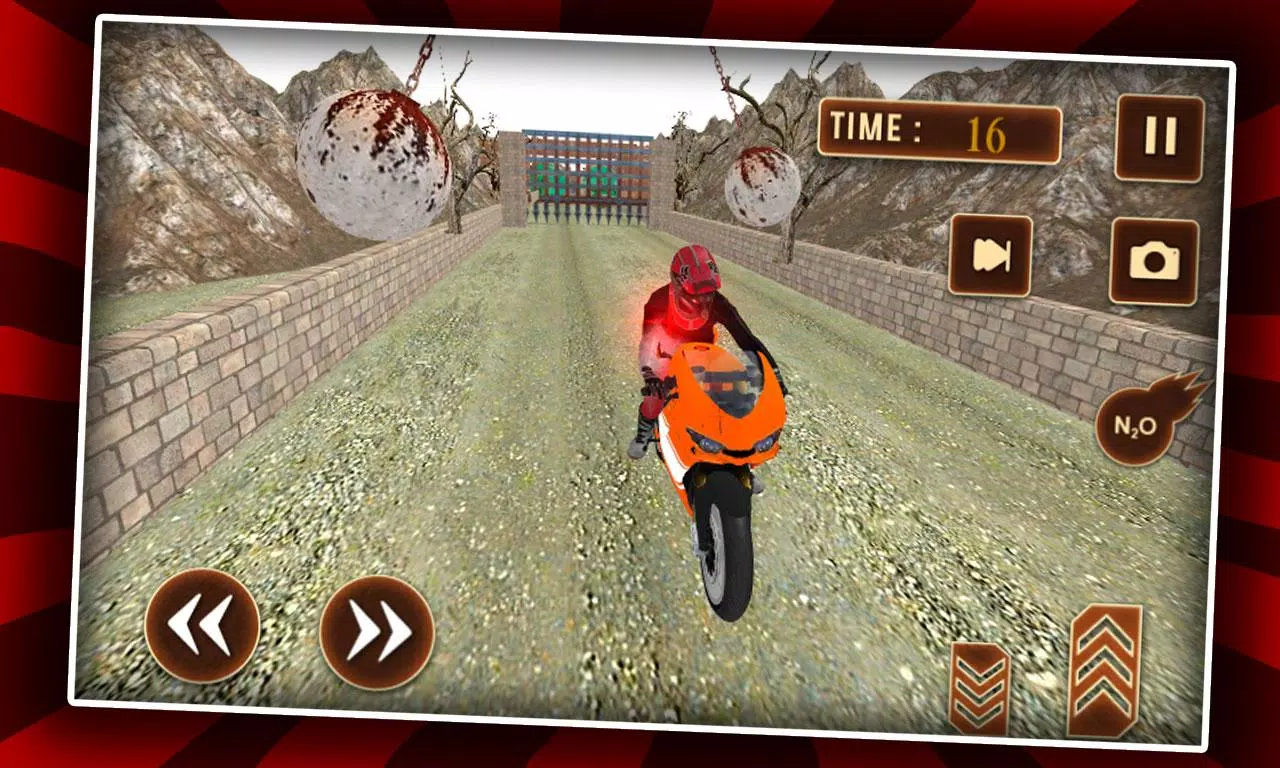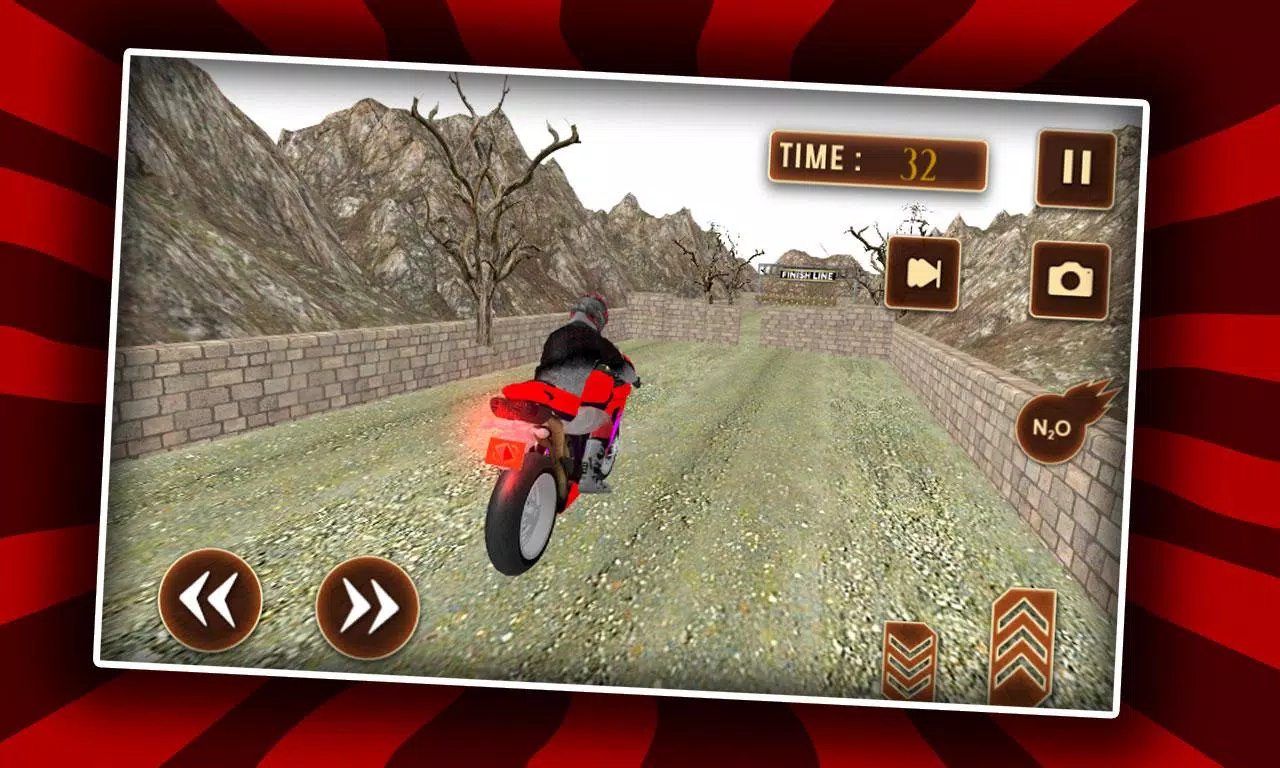
Bike Rider Stunt Escape 2016 puts you in the saddle of high-powered super bikes for a series of fast, reflex-driven stunt runs where timing and balance matter as much as speed. This mobile title focuses on short, intense levels that challenge players to dodge hazards, hit ramps, and string together daring escapes without crashing. Players will unlock and improve bikes, learn the feel of each vehicle, and chase progressively harder obstacles while enjoying realistic visuals and responsive controls designed for touch screens.
Key gameplay mechanics
The core experience emphasizes momentum, balance and split-second decision making. Ramps, gaps, barriers and moving hazards force riders to manage throttle, braking and body position to land successful stunts and avoid dismounts. Because collision outcomes are tied to speed and angle, planning an approach matters: sometimes easing off the gas to land cleanly is the fastest route to a high-score run. Short checkpointed segments keep runs engaging and encourage players to retry a tricky section until they master it.
Controls and feedback
Controls are kept simple and responsive to suit quick play sessions on phones and tablets. On-screen input focuses on throttle, brake and a dedicated balance input so players can shift weight over jumps; touch feedback and clear visual cues help communicate bike state during a run. The control design aims to reward skilled inputs rather than button-mashing, so precise timing of jumps and landings feels satisfying even on small screens.
Progression and reward systems
Progression in Bike Rider Stunt Escape 2016 is driven by level completion, performance rewards and bike unlocks. Completing levels and pulling off clean stunts earns in-game currency that can be used to acquire faster or better-handling bikes. As riders advance, levels introduce new obstacles and tighter timing windows, creating a steady difficulty curve that encourages mastery. The upgrade path focuses on measurable improvements—handling, top speed and acceleration—so players can tailor their garage to suit a preferred riding style.
Visual style and level structure
The visual presentation aims for a realistic yet performance-friendly look that makes obstacles and surface details easy to read while keeping motion smooth. Levels are built from compact, focused segments that escalate in complexity: early runs teach core skills, mid-game courses combine multiple hazards in sequence, and later stages require careful planning to maintain speed through technical sections. Variety in road layouts and obstacle placement keeps each level feeling distinct without relying on long, repetitive tracks.
Customization and replay value
Customization centers on selecting and upgrading bikes to fit a player’s approach. Each machine has identifiable handling traits, so unlocking a faster model can change how you approach a particular course. Because runs are short and skill-dependent, the game encourages repeated attempts to shave off seconds, improve combos and unlock new bikes. Occasional optional challenges and achievement-style objectives add replay incentives for completionists and players who enjoy incremental improvement.
Accessibility and offline play
Bike Rider Stunt Escape 2016 is designed for on-the-go play, with short levels that suit single-session bursts and a control scheme that is approachable for newcomers while offering depth for experienced players. The game supports offline play so you can practice courses and work on upgrades without an internet connection. Simple tutorials introduce basic mechanics and safety nets like generous checkpoints make the learning curve less punishing.
Advantages and limitations
Bike Rider Stunt Escape 2016 delivers tight, adrenaline-focused runs and a clear progression loop that rewards skill and persistence. The balance of responsive controls and level design creates a satisfying stunt-riding experience with meaningful upgrades to pursue. However, the game’s emphasis on speed and precise inputs can be demanding: newcomers may find early sections challenging and frequent crashes are part of the learning curve. Players who prefer relaxed pacing may need several short practice sessions before fully enjoying higher-difficulty stages.