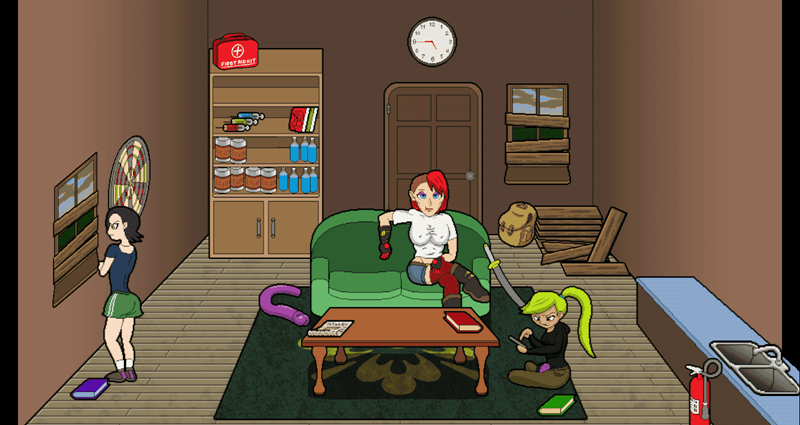
69 Days After places players into a tense, methodical survival story set about two months after society collapses, where a viral infection has reanimated the dead and forced you to take shelter in a small cottage down in a shallow gorge. 69 Days After begins with limited supplies and a handful of simple decisions, and it asks you to steady your nerve as you plan expeditions, ration food and water, and interpret scattered clues to learn what happened to the valley. This introduction focuses on deliberate, low‑tempo gameplay that favors careful planning over twitch reactions and rewards players who think several moves ahead.
Gameplay overview
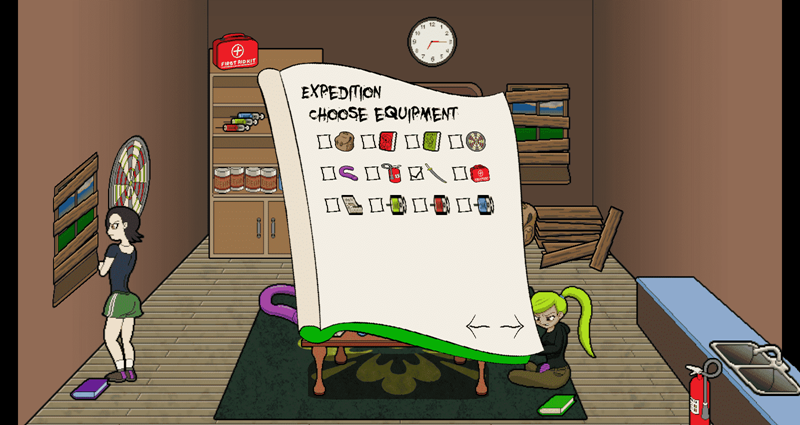
The core experience in 69 Days After is resource-driven survival and exploration. Each in-game day you must decide whether to stay in the safety of the cottage or push into the riverbed and surrounding gorge to scavenge for supplies and story fragments. Inventory space is limited, so every item you pick up—tools, canned food, medicine, or a fragile Polaroid—changes what you can do later. Expeditions are handled as short, discrete runs with clear objectives and variable risk: some routes are safer but yield fewer resources, while others lead to valuable finds at the cost of exposure. Consequences are persistent; a risky choice can reduce your supplies for days, and discovering certain Polaroids unlocks narrative details that shift how later events play out.
Controls and interaction
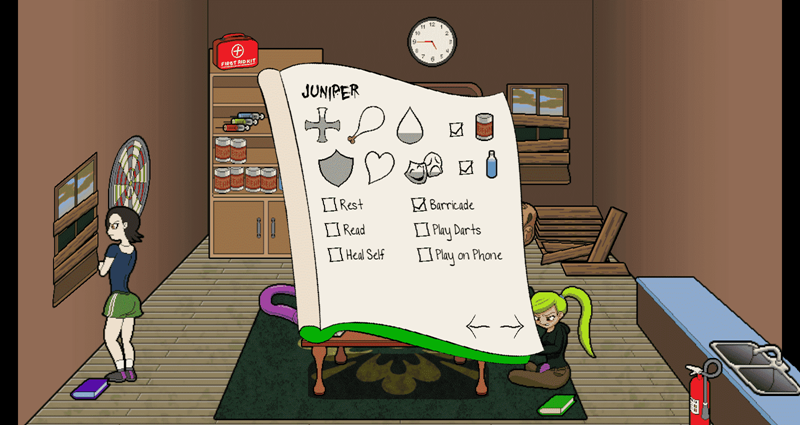
Controls are optimized for touch devices with straightforward interactions: tap to select objects, drag to move items in the inventory, and use context menus to combine or examine items. Movement and expedition decisions are presented through an accessible interface that minimizes accidental actions and lets you pause to assess options. The UI emphasizes clarity—icons and short text prompts explain what an item does and how it might change an upcoming trip—so the learning curve focuses on strategic choices rather than complicated inputs.
Progression and replay value
Progress in 69 Days After is driven by decisions and discoveries rather than experience points. As you uncover Polaroids and story fragments, new expedition options and narrative branches become available, and some items permanently alter future possibilities. There are multiple outcomes depending on the paths you take, which encourages replaying the game to experiment with different strategies: play cautiously to prolong survival, or take higher risks early to chase rarer discoveries. Because progression depends on the combination of inventory choices, expedition timing, and which fragments you find, each playthrough can feel distinct without introducing arbitrary difficulty spikes.
Visual style and atmosphere
The game prioritizes an atmospheric presentation: muted colors, weathered textures, and carefully framed Polaroid images create a sense of quiet desolation rather than action horror. Visual cues are used to communicate risk—shortened sight lines in foggy areas, overturned debris to indicate prior human presence, and the faded quality of collectible photographs that reveal new details when examined. Audio is sparse and functional; environmental sounds and occasional distant disturbances contribute to tension without overwhelming the player or relying on jump scares.
Level structure and challenge systems
Levels are structured around the cottage and a small network of nearby locations such as the riverbed, a derelict bridge, and abandoned outbuildings. Each area has distinct resources and hazards, and the game introduces environmental challenges like limited daylight, changing river conditions, and random encounters that can alter the safety of a planned trip. These systems are balanced to create a rhythmic loop of preparation, expedition, and recovery, where smart choices reduce unnecessary losses and poor planning increases strain on future days.
Customization, accessibility and offline play
Customization in 69 Days After is focused on how you prepare: choose which tools to carry, which food to conserve, and whether to prioritize collecting story fragments or stockpiling supplies. Accessibility options include adjustable text size and clear iconography to support readability; controls are simple by design to make the game approachable on a wide range of devices. The single-player experience works entirely offline once installed, so you can play without a persistent internet connection and save locally as you progress through different playthroughs.
User experience and tips
Players who enjoy slow-burn, decision-focused games will find 69 Days After satisfying: read item descriptions carefully, think about the cumulative effect of daily choices, and accept that setbacks are part of the learning process. The game does not rely on constant action; instead it rewards observation, planning, and curiosity about the fragments you collect. If you prefer a less punishing pace, focus on safer routes and conserve essential supplies until you learn which expeditions reliably yield the most useful returns. Overall, 69 Days After offers a thoughtful survival narrative with meaningful choices, varied endings, and a visual identity that supports its contemplative tone.