Babysitter invites players to step into the life of a freelance programmer trying to transform a long-running side project into a sustainable business while balancing everyday responsibilities and close personal relationships. In Babysitter you manage development time, prepare pitches for potential clients, and navigate conversations that shape both your career trajectory and the household dynamics after a young adult housemate moves into your spare room seeking independence. The game emphasizes narrative choice and grounded professional challenges rather than action-heavy mechanics, offering a focused, character-driven experience for players who appreciate story-led decision making.
Gameplay and Core Mechanics
The core loop combines interactive narrative with light management mechanics. Players decide where to spend their time each day: coding to advance the project, researching market needs, contacting prospective clients, or handling household responsibilities and conversations. Dialogue choices affect relationships, morale, and available opportunities; decisions also consume limited time and resources, so planning matters. Progress on the 'special software' is tracked through measurable milestones that unlock new dialogue branches and client options, creating a visible sense of progression tied to story beats.
Controls and Interface
Designed primarily for touch devices, Babysitter uses an intuitive tap-to-advance dialogue system with simple menus for daily planning and project management. Tap and hold gestures reveal additional context for characters and tasks, and swipe navigation moves between days and scenes. The interface keeps clutter to a minimum to emphasize conversations and choices, while accessible icons and readable text sizes help establish clarity on smaller screens.
Progression Systems
Progression is centered on two parallel systems: the project development track and relationship dynamics. Completing development milestones unlocks client meetings and selling opportunities; cultivating professional and personal relationships opens alternative solutions to challenges, such as referrals or emotional support that stabilizes your housemate's transition. These interlocking systems create meaningful trade-offs and encourage players to balance short-term deadlines with long-term outcomes.
Visual Style and Presentation
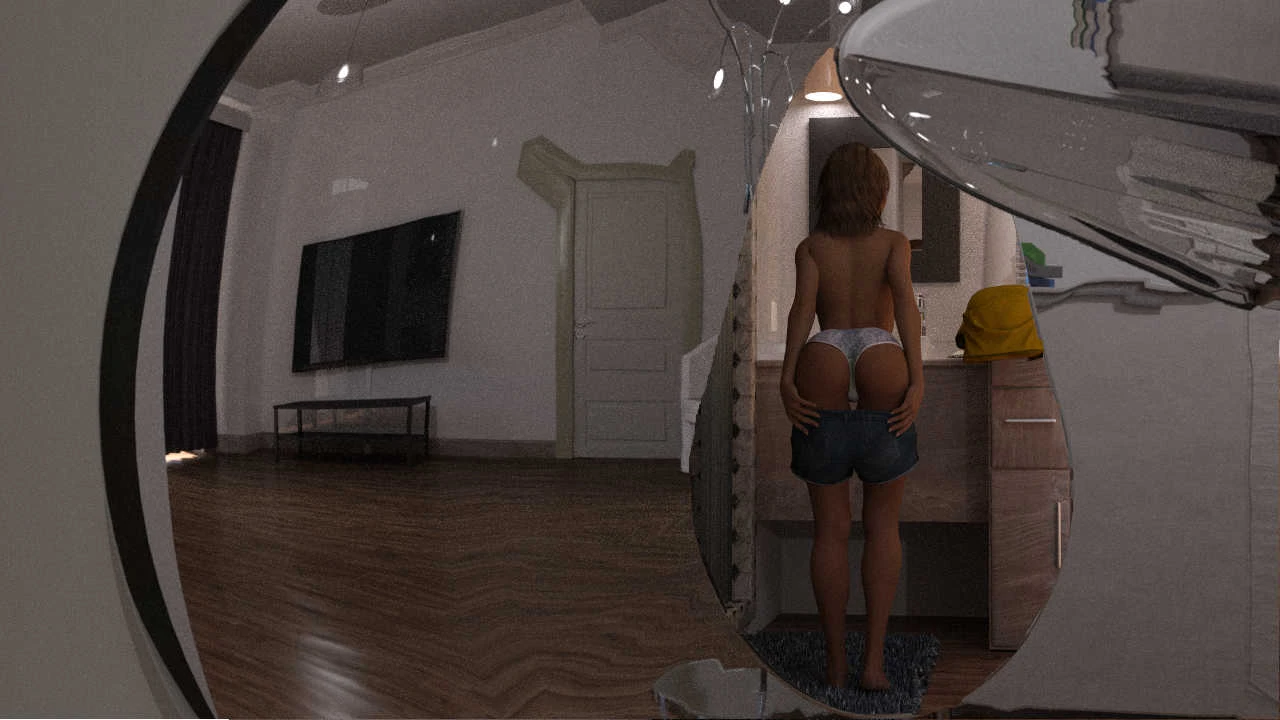
Babysitter favors a subdued, contemporary visual style with character illustrations and environments that support the intimate, everyday tone of the story. Clean UI panels and minimal HUD elements keep the focus on dialogue and choices, while subtle animations and portrait-mode layouts enhance immersion. The art direction aims for realism over spectacle, using color and composition to underscore emotional beats and character moments.
Chapter and Scene Structure
The narrative is organized into chapters that represent weeks or key turning points, each containing multiple scenes and decision nodes. Chapters vary in length and tone to reflect career deadlines, social encounters, and personal developments. This structure helps players track progress, experiment with different approaches in new playthroughs, and return to specific moments without replaying the entire game from scratch.
Customization and Player Agency
Players can personalize the protagonist through choice-driven dialogue and priorities rather than extensive cosmetic systems. Decisions influence skill emphasis—such as technical focus, networking ability, or time-management habits—so playstyle emerges organically from choices. Optional UI themes and text size adjustments allow a degree of personalization to suit different player preferences and accessibility needs.
Replay Value and Branching Outcomes
Babysitter encourages multiple playthroughs by offering branching outcomes that reflect different career paths and household resolutions. Choices produce distinct endings tied to the project's fate, client relationships, and the long-term wellbeing of the household. Because each run can emphasize different priorities, players will find new narrative beats and consequences when they test alternate strategies or dialog approaches.
User Experience and Accessibility
The game aims for a calm, approachable user experience with features to support accessibility: adjustable text sizes, contrast options, and pacing controls for dialogue speed. Tooltips explain mechanics and the impact of choices, and an in-game journal summarizes prior decisions so returning players can follow narrative threads more easily. The UI is optimized for single-handed play and clear readability.
Offline Play and Performance
Babysitter is designed to run offline without requiring a constant network connection; all narrative content, choices, and save data are stored locally. Performance is tuned for a wide range of devices with minimal battery overhead, enabling uninterrupted play sessions during commutes or when internet access is limited.
Challenge Systems and Difficulty Options
The challenge comes from time pressure, resource trade-offs, and the social consequences of decisions rather than combat or reflex-based tests. Players can choose different difficulty settings that adjust time constraints, the frequency of client opportunities, or the strictness of milestone deadlines, allowing a tailored experience for casual story-seekers or players who enjoy tighter management challenges.
Overall, Babysitter offers a grounded, narrative-driven simulation that foregrounds professional ambition and the complexities of adult relationships within a household setting. The game balances dialogue-driven storytelling with light management systems to deliver a thoughtful single-player experience that rewards strategic choices and emotional engagement.