Young Again places players in the role of Paul, an elderly man who wakes up trapped in the body of a 19-year-old after a mysterious event. In this narrative-driven adventure, Young Again asks you to guide Paul through a sequence of goddess-assigned objectives while balancing personal relationships, daily routines, and the long-term goal of remaining in his new body. The opening chapters establish the premise and tone quickly, and the writing focuses on character interactions and the consequences of player choices rather than fast action or complex mechanics.
Gameplay and Mechanics
The core gameplay of Young Again revolves around mission-based objectives and choice-driven scenes. Each episode delivers a handful of primary tasks handed down by an in-game deity, plus optional side objectives that deepen character relationships and unlock additional scenes. Player decisions influence dialogue outcomes, available missions, and how other characters perceive Paul. While the game emphasizes storytelling, there are light interactive moments—such as exploration of small environments, item use in specific scenes, and contextual choices—that keep players engaged without introducing heavy mechanical systems.
Controls and User Interface
Controls are designed for straightforward mobile play: tap to progress dialogue, select responses from on-screen menus, and use simple icons to access mission logs and episode maps. The user interface presents objectives and chapter indicators clearly so players can see both short-term tasks and long-term goals at a glance. Text presentation and dialogue boxes are optimized for touch screens, and the pacing of interactions allows for a relaxed, reading-oriented experience that suits short sessions or longer playthroughs.
Progression and Chapter Structure
Progression in Young Again is organized into episodic chapters that release as part of ongoing updates. Each chapter contains a sequence of missions that advance the main story and may introduce new characters or recurring side stories. Completing primary objectives typically advances the main plot, while optional missions offer character development, extra scenes, or new dialogue branches. The episodic layout makes it easy to track where you are in the story and to return later without losing context, and chapter summaries help new or returning players catch up quickly.
Visual Style and Presentation
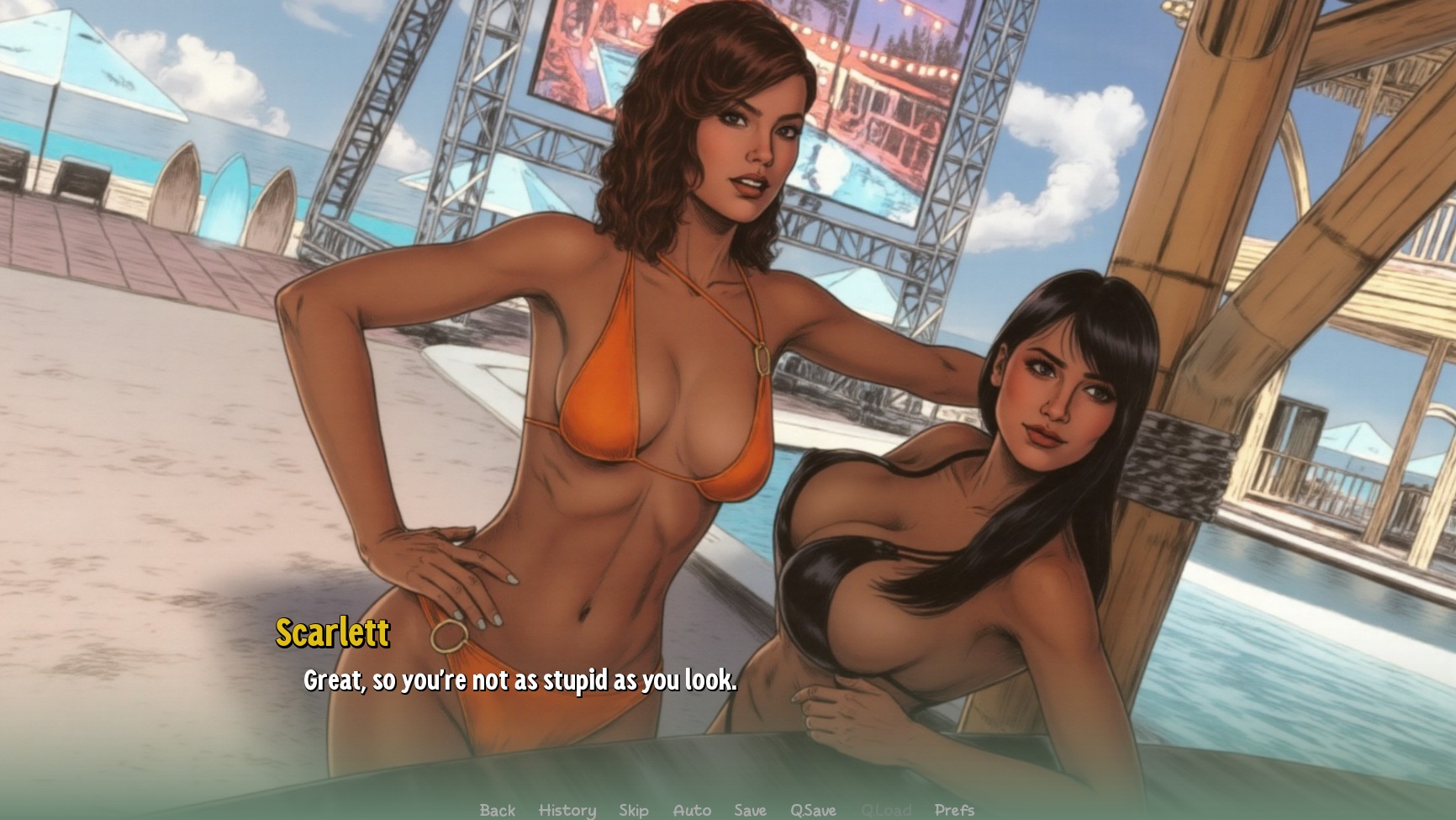
The game uses a character-focused visual approach with portrait art, scene backgrounds, and expressive dialogue panels to convey emotion and tone. Environments are presented in compact locations that support the narrative rather than ambitious open worlds, which keeps the experience tightly focused on story and character. Lighting, color palettes, and soundtrack choices work together to establish the mood for each chapter, ranging from contemplative moments to more dramatic confrontations. The overall presentation favors clarity and atmosphere over graphical complexity.
Customization and Choices
Young Again emphasizes narrative customization more than cosmetic or gameplay customization. The most meaningful changes come from decision points that shape Paul’s relationships, moral standing, and the options available later in the story. Some chapters include wardrobe or style choices that affect how scenes are presented, but the primary customization is conversational: how you respond, who you befriend, and which objectives you prioritize. These choices create distinct story paths and encourage multiple playthroughs to see alternate outcomes.
Replay Value and Challenge Systems
Replayability is built around branching dialogue, optional missions, and multiple possible endings tied to player decisions. The challenge system is narrative-focused: optional tasks can be more demanding in terms of time or sequence, requiring attention to earlier clues and relationships to unlock. Players interested in exploration and character study will find value in revisiting chapters to pursue different objectives and discover scenes that were previously unavailable.
Accessibility, Offline Play, and User Experience
Young Again supports single-player offline play, allowing players to experience the story without a constant internet connection. The game includes accessibility features such as adjustable text size, readable dialogue boxes, and straightforward navigation to help a wide range of players enjoy the narrative. The pacing is forgiving, with save points at chapter breaks and a mission log that summarizes current goals so you can pause and return without losing track of the storyline.
Content Notes and Version Info
Young Again contains mature themes and emotional subject matter that may not be suitable for all audiences; content warnings are provided in the game description to help players decide if it is appropriate for them. The current release is part of Season 2, Chapter 5, with episodic updates planned to expand the story and add new missions. This edition clarifies chapter-based progression and ongoing content plans for players who prefer structured, story-led experiences.