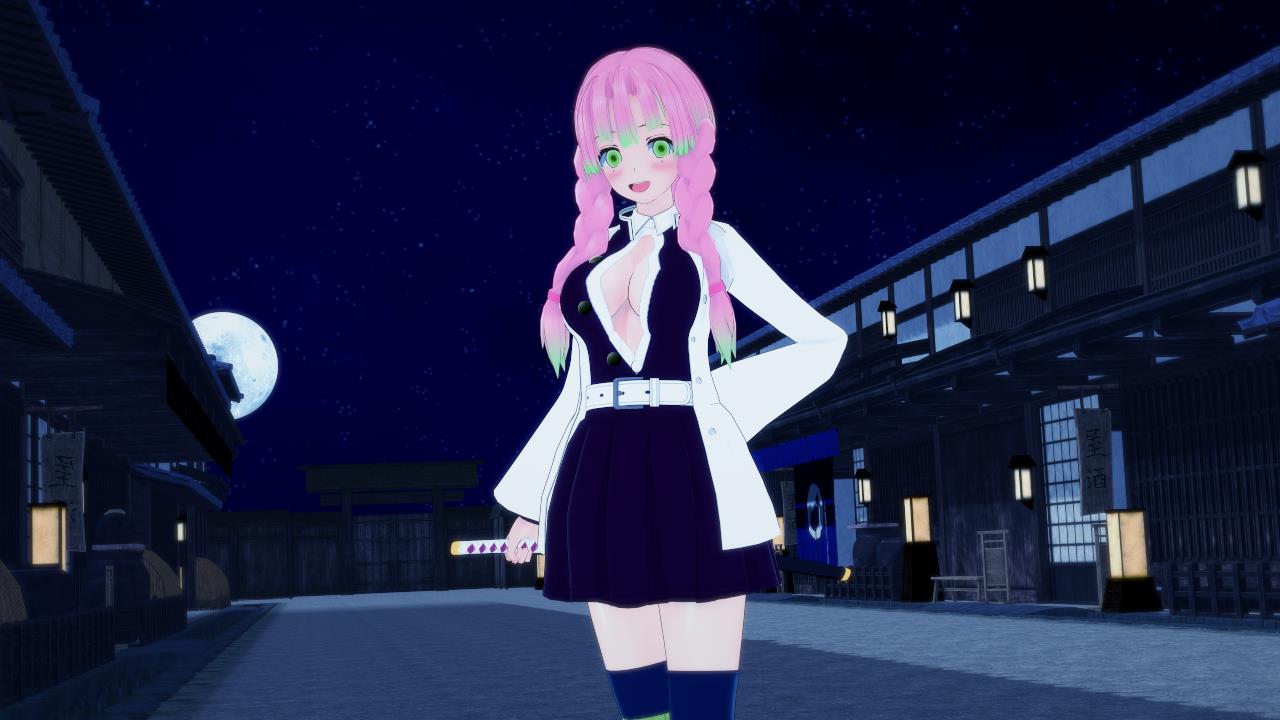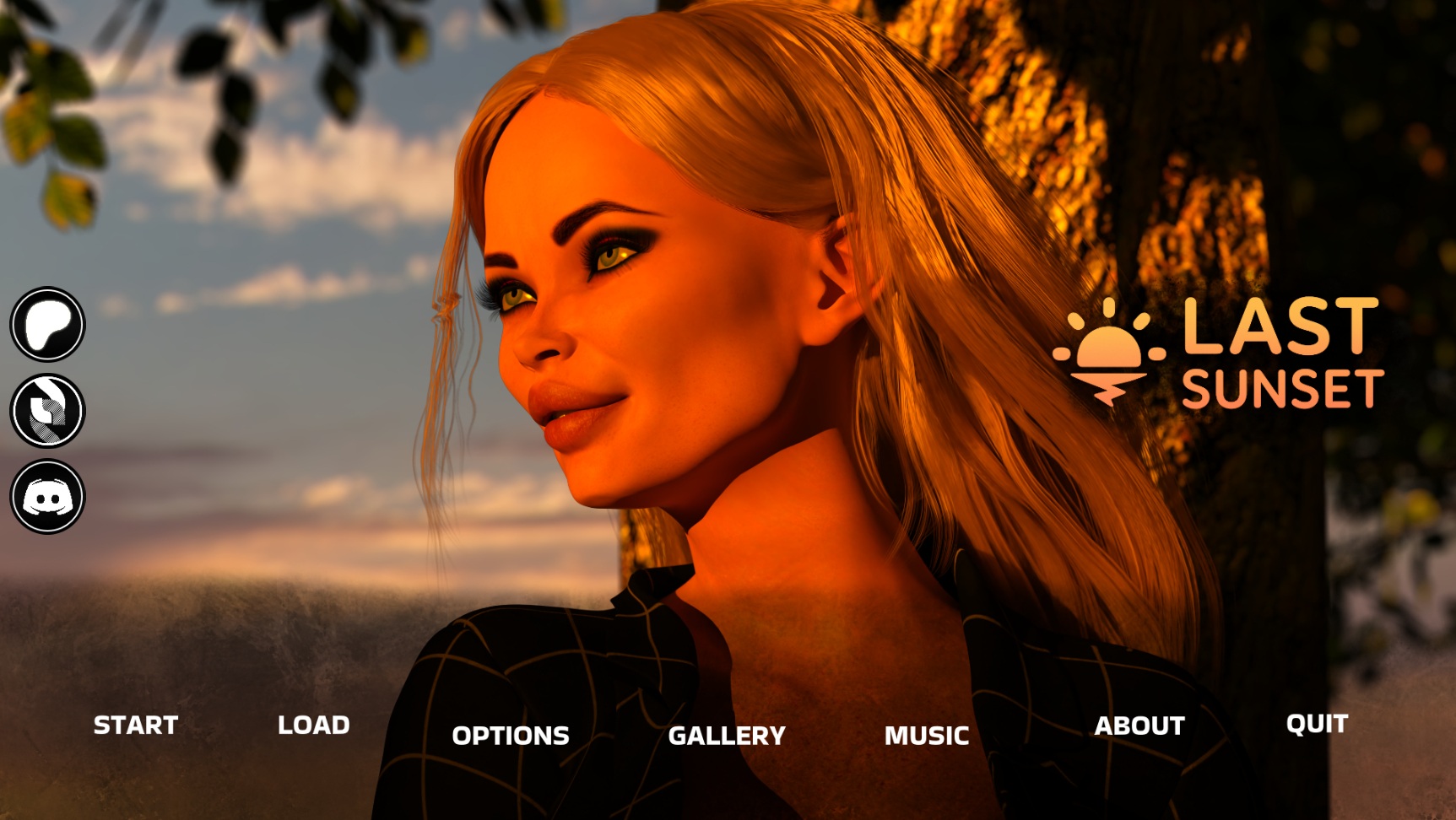
Training Slayer is an adult-focused dating simulator that places the player in tense, narrative-driven encounters with demon slayer-inspired characters. Training Slayer emphasizes choice and atmosphere rather than complex resource systems, presenting a series of short, replayable scenes built around illusion mechanics and character interaction. The first paragraph of the game sets expectations clearly: mature themes, branching outcomes, and a compact single-player experience intended for an adult audience who value conversation, pacing, and mood over traditional combat systems.
Gameplay and Scene Structure
The core gameplay of Training Slayer revolves around choice-based scenes and simulated training dates. Each scene functions like a short chapter: you enter an encounter, read contextual prompts, and select dialogue or action choices that steer the tone and direction of the interaction. Illusion mechanics are woven into these scenes to alter perception and emotional beats, creating moments where the same encounter can feel very different depending on your choices. Encounters are bite-sized but story-rich, designed to be replayed with small but meaningful variations.
Controls and User Interface
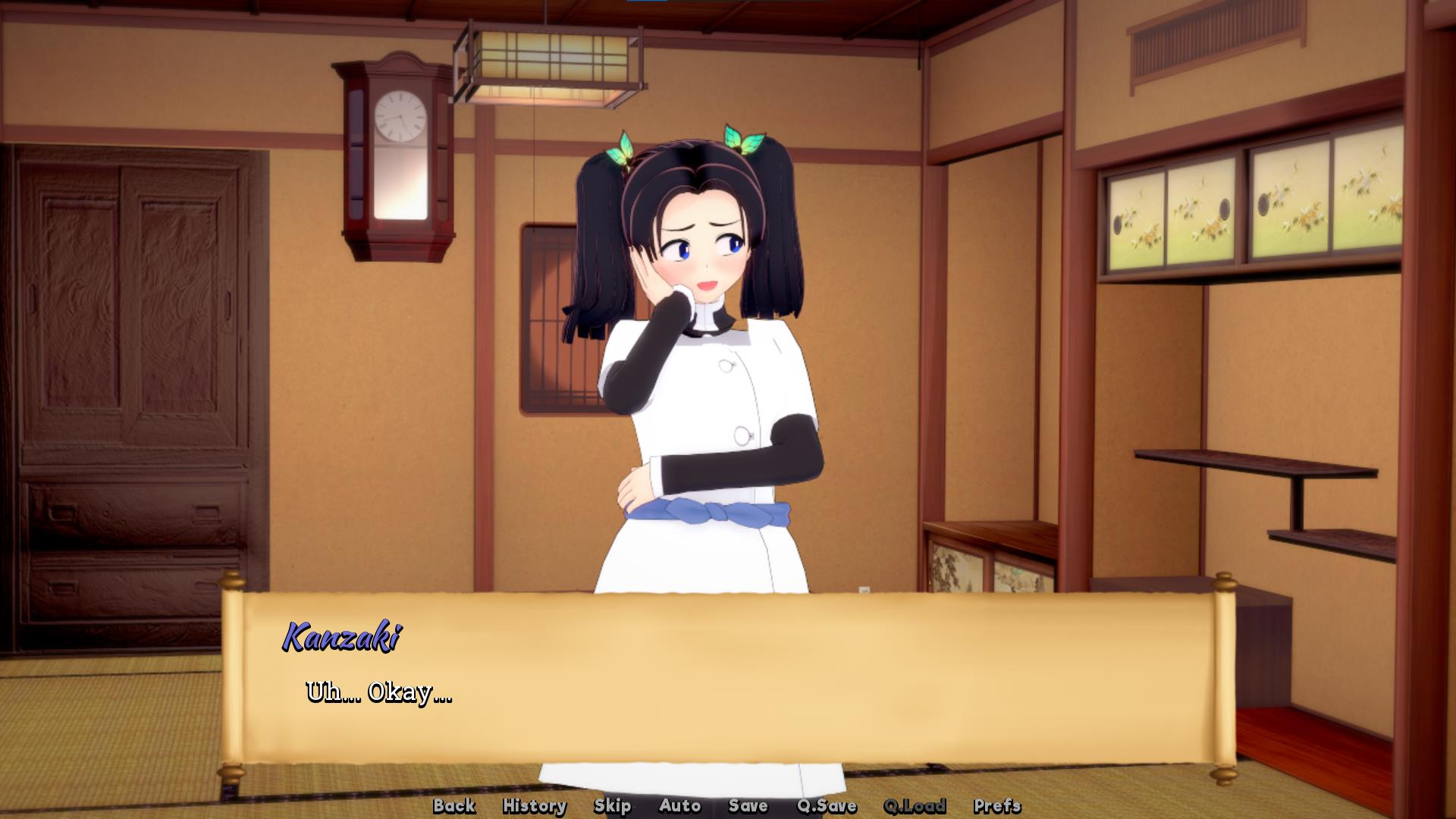
Controls are kept simple and mobile-friendly so the focus stays on narrative and pacing. Most interactions use tap-to-select choices, with optional auto-advance for players who prefer a more passive experience. The user interface places dialogue, relationship indicators, and context prompts on-screen without obstructing character portraits or background art. Training Slayer includes clear touch targets, an easy-to-read text log, and basic playback controls so players can review recent decisions or speed through previously viewed text.
Progression and Replay Value
Progression in Training Slayer is narrative-first: choices unlock alternate branches and different endings rather than traditional leveling or grinding. Relationship cues and conversation outcomes serve as short-term progression indicators, guiding which paths become available within an encounter and suggesting how characters will respond in future scenes. Because multiple branching results are supported, replayability is a central design goal — players are encouraged to experiment with different approaches to explore emotional tones and alternate resolutions.
Visual Style and Presentation
The visual presentation favors character-focused scenes with strong portrait art and atmospheric backgrounds that support the illusion mechanics. Lighting, color shifts, and subtle visual effects are used to signal changes in mood or to highlight branching beats without relying on explicit content. The art direction keeps interface elements minimal so the focus remains on dialogue and facial expressions, reinforcing the intimate, scene-driven nature of the experience.
Customization and Accessibility
Training Slayer offers light customization options to tailor the experience. Players can choose text speed, toggle auto-advance, and enable or disable contextual hints that clarify relationship cues. Accessibility considerations include readable font sizes, contrast settings for dialogue boxes, and options to replay specific scenes. Subtitles are available for all dialogue so the content is accessible to users who prefer text-based playback or who rely on captions.
Offline Play and Single-Player Focus
The game is designed as a compact single-player title and fully playable offline once installed. There are no multiplayer or online leaderboards; all story progression and branching outcomes are contained locally. This design keeps the experience private and self-paced, allowing players to experiment with dialogue choices and replay scenes without network requirements.
Challenge Systems and Pacing
Rather than offering combat or timed action challenges, Training Slayer introduces light challenge elements through choice timing and relationship management. Certain scenes include moments where timely decisions influence emotional pacing or unlock alternate lines of dialogue, adding subtle tension without shifting the focus away from conversation. These challenge systems are optional and intended to reward experimentation rather than punish exploration.
Who Should Play
Training Slayer suits players who enjoy character-led experiences, branching narratives, and mood-driven scenes. Fans of visual novels and dating sims who prefer compact, scene-based encounters over open-world progression will find the title straightforward and replayable. Note that the game contains mature themes intended for adult players and is not suitable for younger audiences.
Overall, Training Slayer delivers a focused, narrative-driven single-player experience that prioritizes dialogue, atmosphere, and replay value. It keeps mechanics simple and accessible while offering meaningful branching choices and illusion-based variations on each encounter, making it a clear fit for players seeking short, emotionally varied scenes rather than deep progression systems.