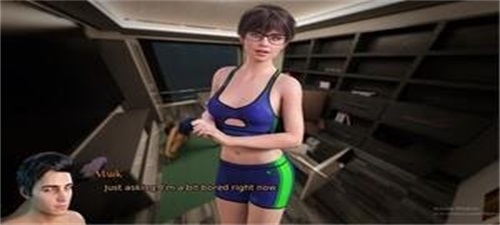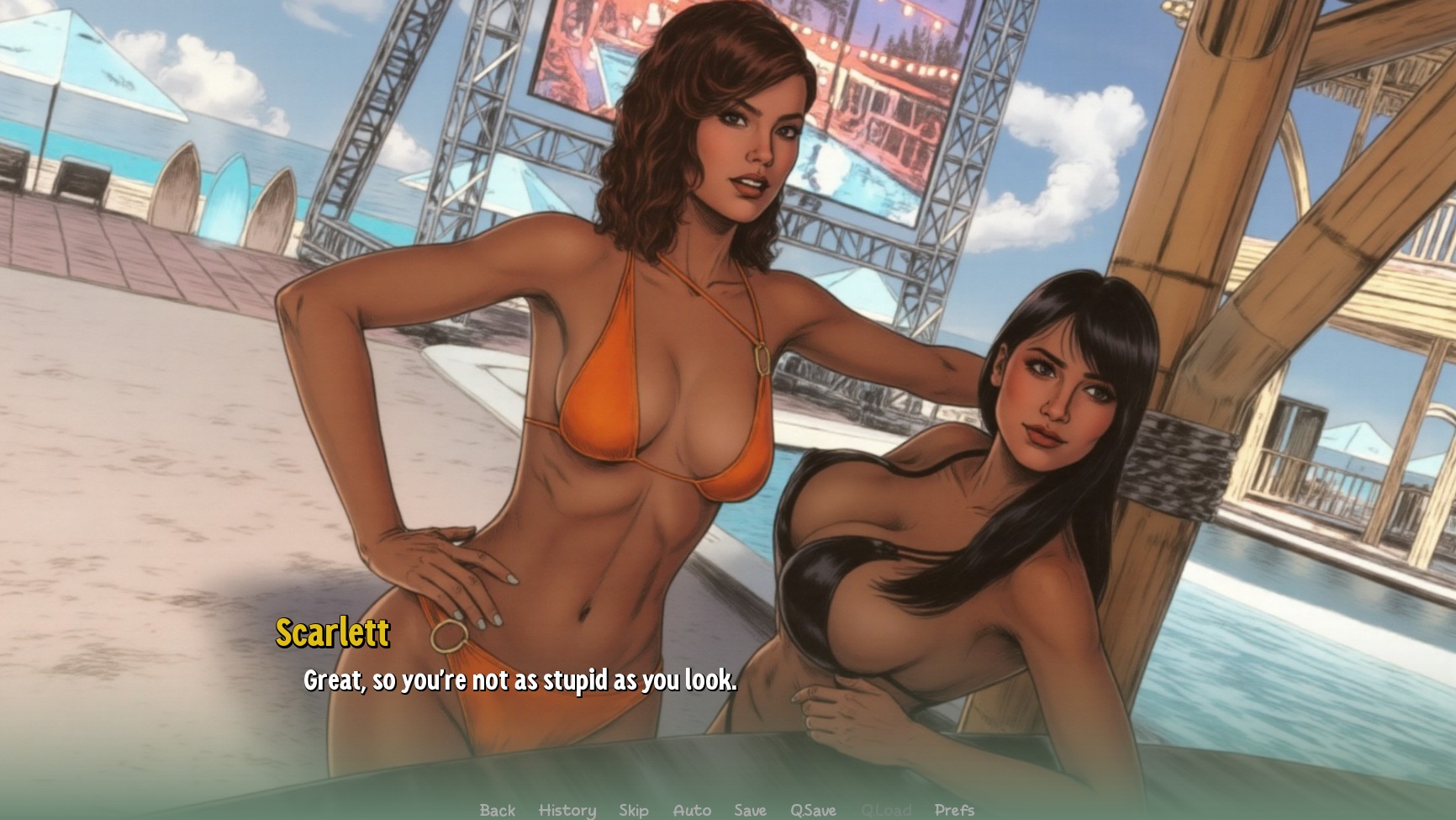
Double Perception places you in a narrative-driven adventure that alternates between a grounded everyday Reality and the layered virtual world known as Dawn of Arcanum, a VR-style experience that can be purchased from within the game. The title focuses on exploration, character interaction, and choice-driven storytelling as you move between ordinary locations and the framed virtual sequences, meeting a diverse cast and shaping your standing in a society that responds to decisions and reputation.
Key Features
Double Perception is built around a dual-realm design that encourages swapping perspectives: investigate familiar environments in Reality and then switch into the Dawn of Arcanum segments for more stylized scenarios. The game centers on branching dialogues, relationship mechanics, and a reputation and title system that tracks consequences over time. Animated sequences serve as narrative highlights and are presented in a mature, story-focused manner rather than explicit detail. The VR framing device is used as a narrative tool to contrast the two worlds and to expand storytelling possibilities while remaining a single-player experience.
Gameplay and Controls
Gameplay emphasizes decision-making and exploration rather than reflex-heavy action. Controls are optimized for touch devices with intuitive tap-and-swipe interactions for navigation, inventory examination, and dialogue selection. Dialogue trees use a clear choice interface so players can follow motivations and outcomes; contextual prompts appear during interactive scenes to guide pacing. For players using external peripherals, the interface provides basic support for common Android controller inputs to navigate menus and confirm selections. The design keeps controls accessible while allowing deeper engagement with social mechanics and environmental clues.
Progression and Systems
Progression in Double Perception is driven by story chapters, reputation milestones, and title unlocks that reflect your in-game decisions. Reputation acts as a measurable system: choices influence how NPCs respond, which events become available, and which titles you may earn. Some Dawn of Arcanum content can be unlocked through an in-game purchase that expands the VR segments; the core narrative remains playable without that optional purchase. Regular content updates add new scenes and refine branching paths so long-term players can discover fresh outcomes as the game evolves.
Visual Style and Level Structure
The visual approach deliberately contrasts the two realms. Reality scenes favor a grounded color palette, environmental detail, and character animations that emphasize everyday motion, while the Dawn of Arcanum sequences adopt a more stylized presentation with heightened visual motifs to convey an immersive virtual experience. The story is organized into chapters and event nodes rather than traditional levels, with each node representing a scene or encounter where choices determine the next node. This structure supports a narrative flow that is easy to follow and encourages revisiting earlier nodes to unlock alternate branches.
Customization and Accessibility
Players can adjust interface and presentation options to tailor the experience: text size adjustments, subtitle toggles, audio levels, and basic visual settings help make the game comfortable for a range of users. There are also settings to manage the visibility of mature-themed content so players can control how certain scenes are presented. Simple avatar and profile options let you personalize your on-screen presence and title displays as you progress. The UI is designed to be readable and navigable with clear contrast and scalable elements for accessibility.
Replay Value and Offline Play
Replayability is a core design goal: branching narratives, multiple reputation outcomes, and title paths encourage replays to see alternate consequences and unlock different storylines. Many scenes and events are available for offline play after download, making the single-player story accessible without a constant network connection. Because the game focuses on player decisions and character development, subsequent playthroughs often reveal hidden interactions and dialog options that were not available on earlier runs.
Challenge Systems and Updates
Challenges in Double Perception are mostly narrative and decision-based rather than action difficulties. Timed social choices, reputation thresholds, and resource decisions create tension in key moments, while optional tasks and side events provide additional complexity for players who want more challenge. The development team issues regular updates to add scenes, polish animations, and address community feedback; the v3.5 update, for example, introduces several new animated scenes featuring characters Kim, Rachel, Riley, and Jennie, including expanded multi-character story events and additional interpersonal scenes, and also corrects a reappearance issue with the "Dinner Talk" event in scene options.
Overall, Double Perception offers a layered single-player narrative experience with emphasis on character-driven choices, contrasting visual worlds, and a progression system that rewards exploration and replay. The game is suitable for players who enjoy branching stories, thoughtful social mechanics, and ongoing content that deepens the world over time.