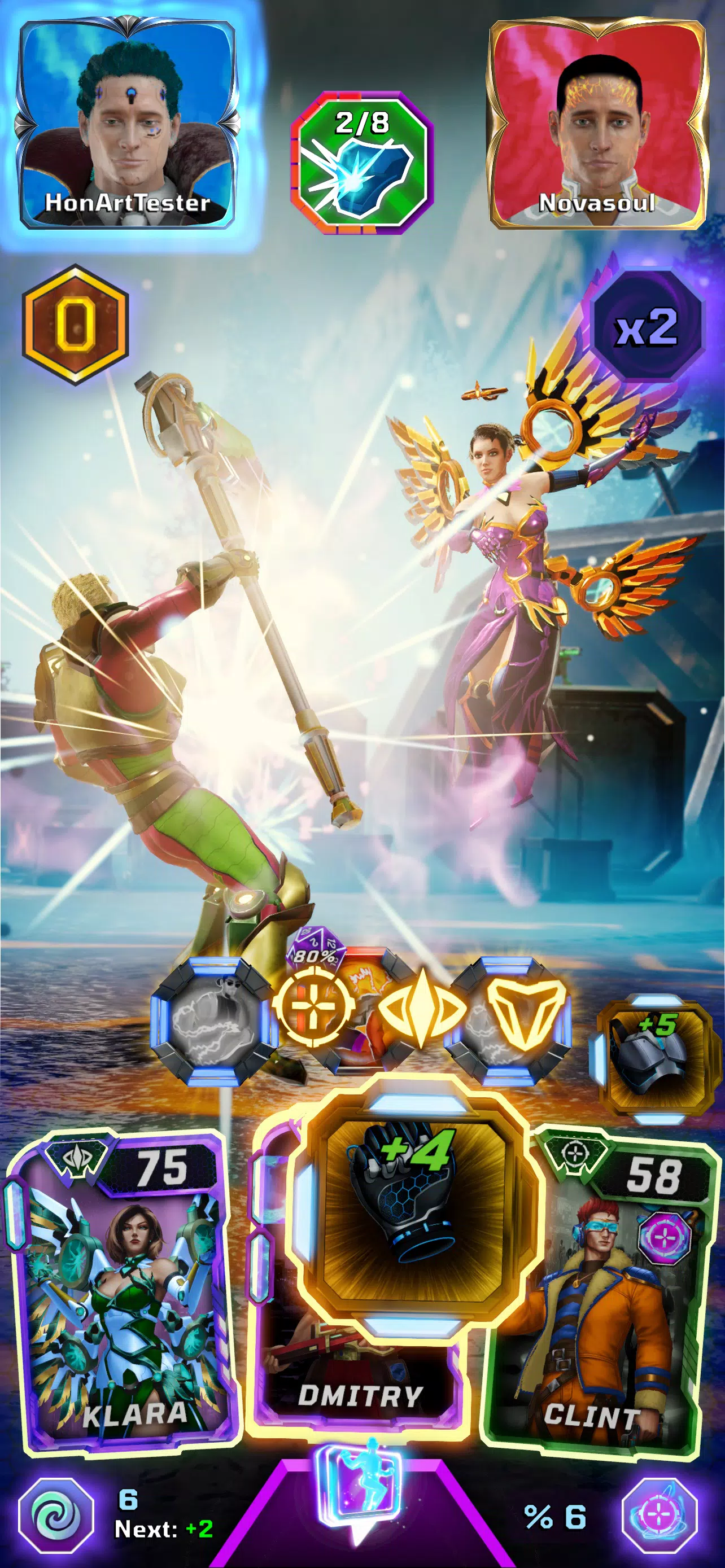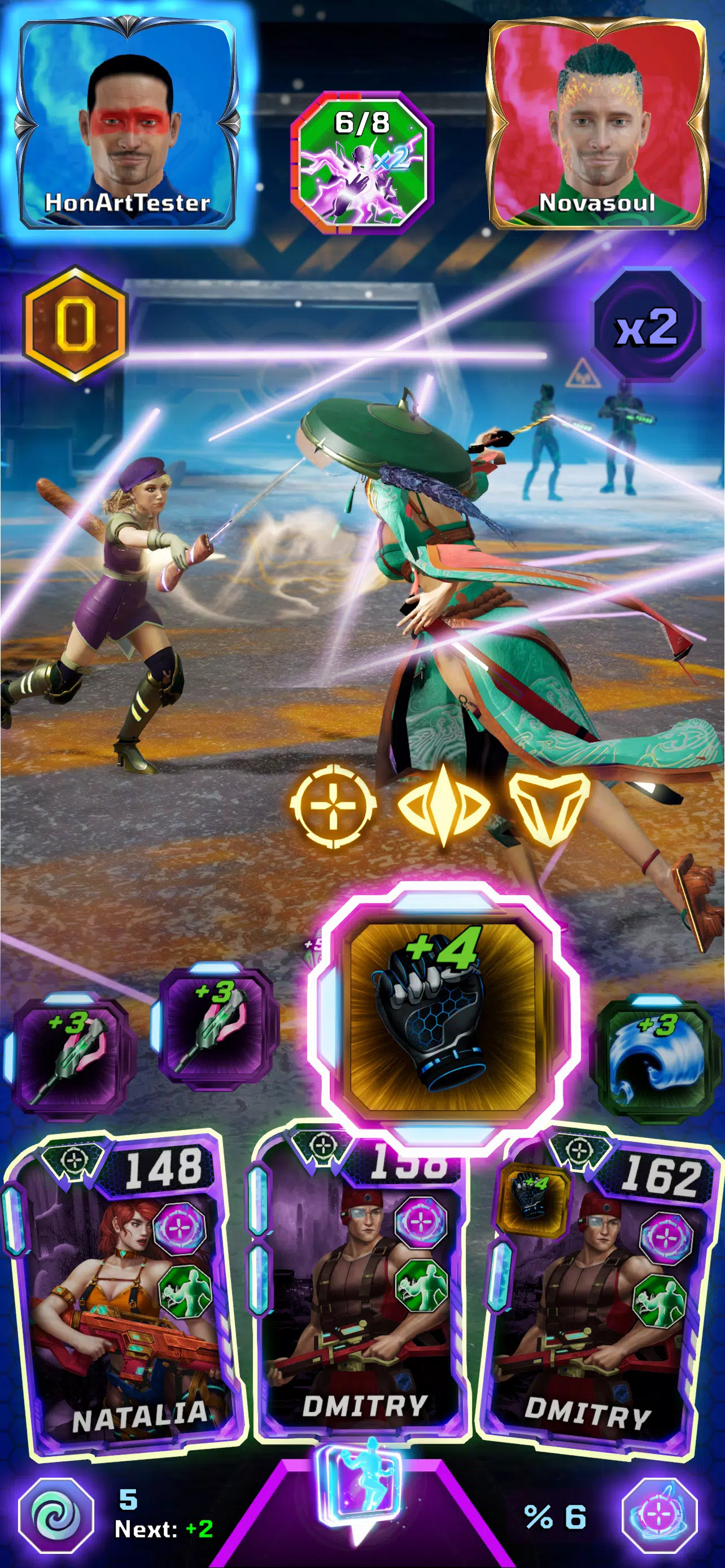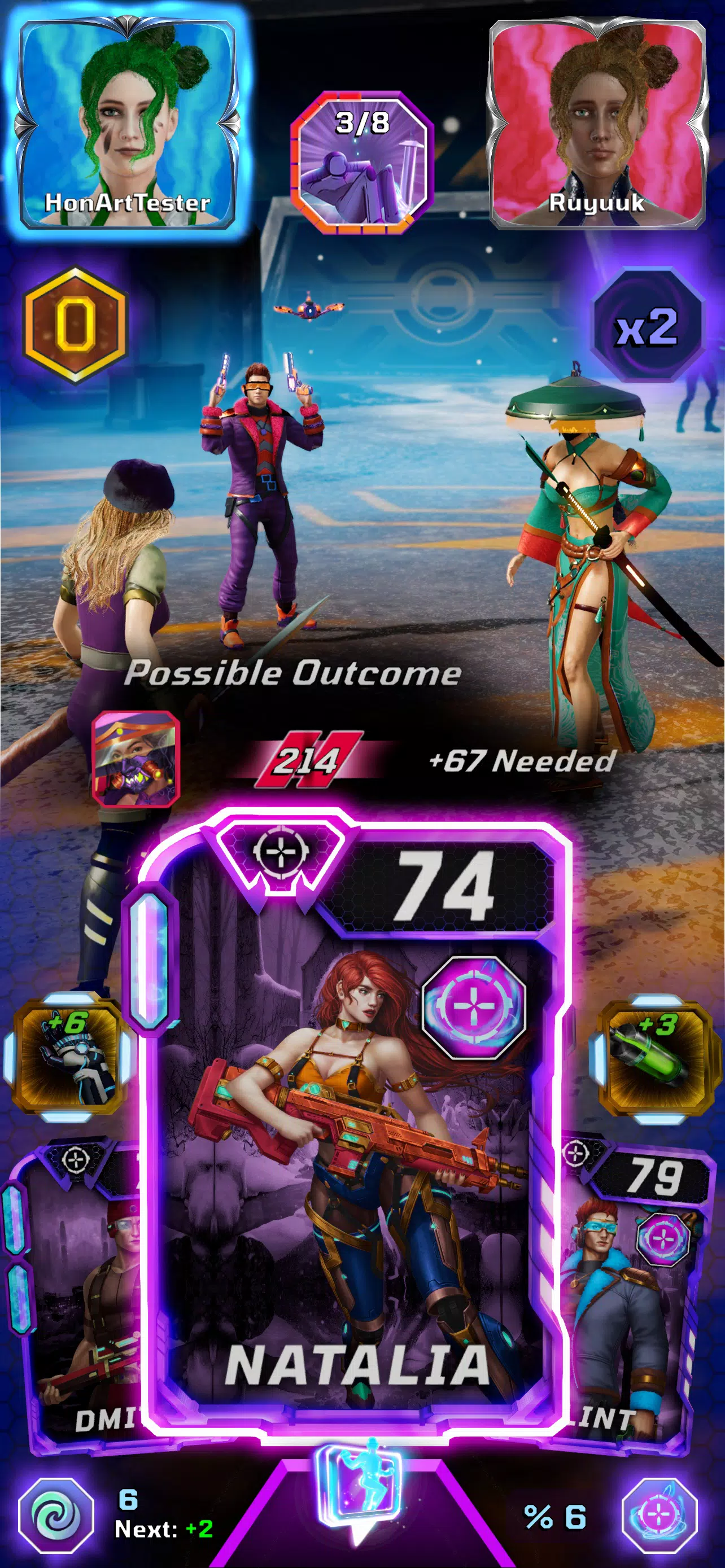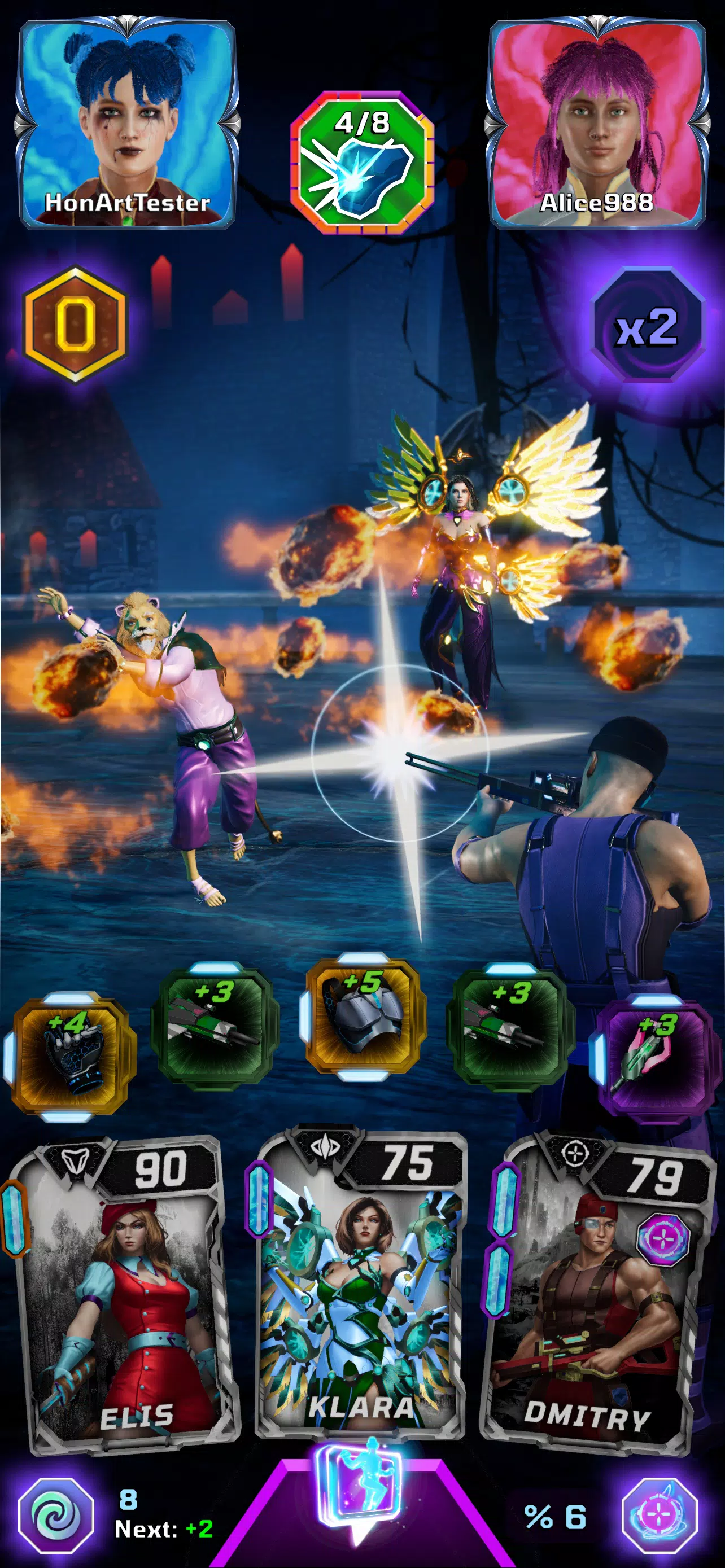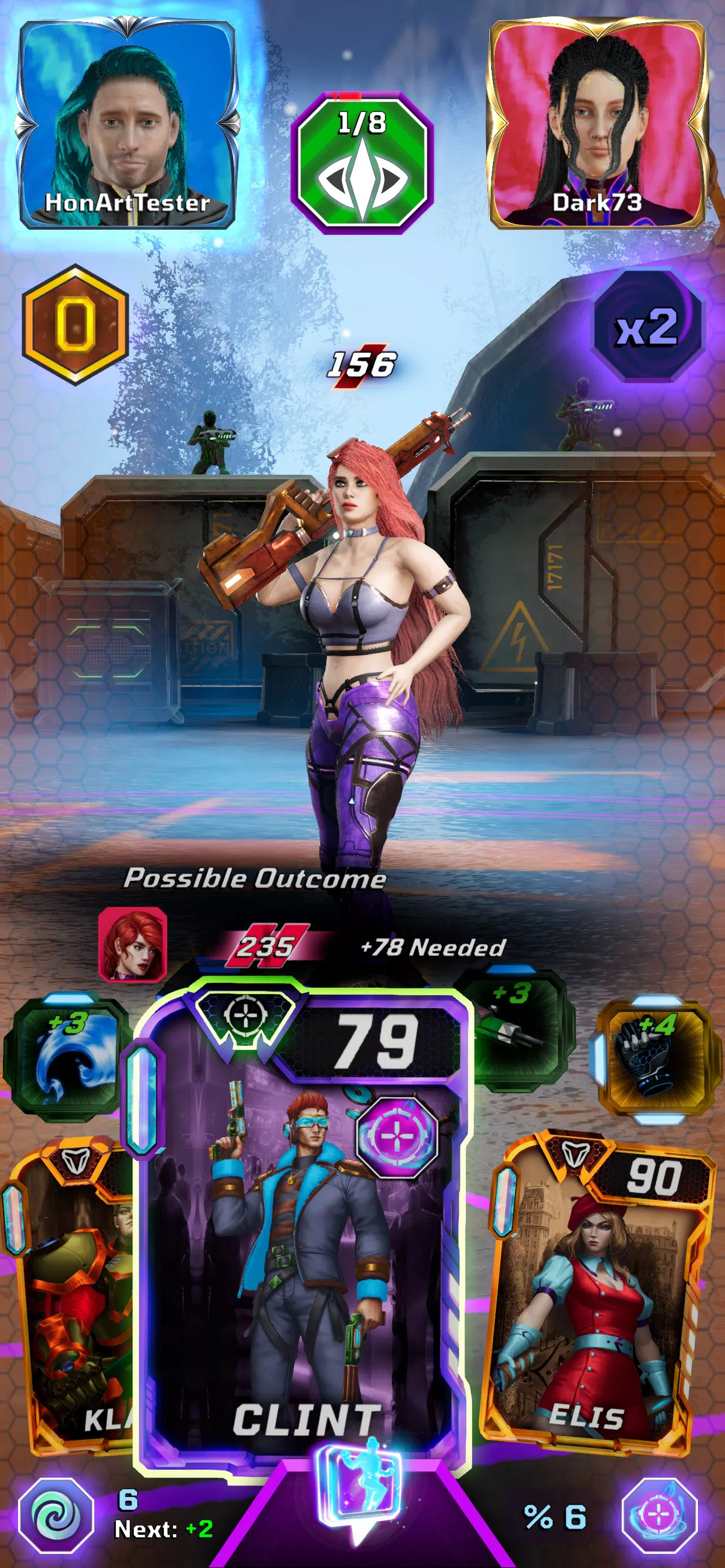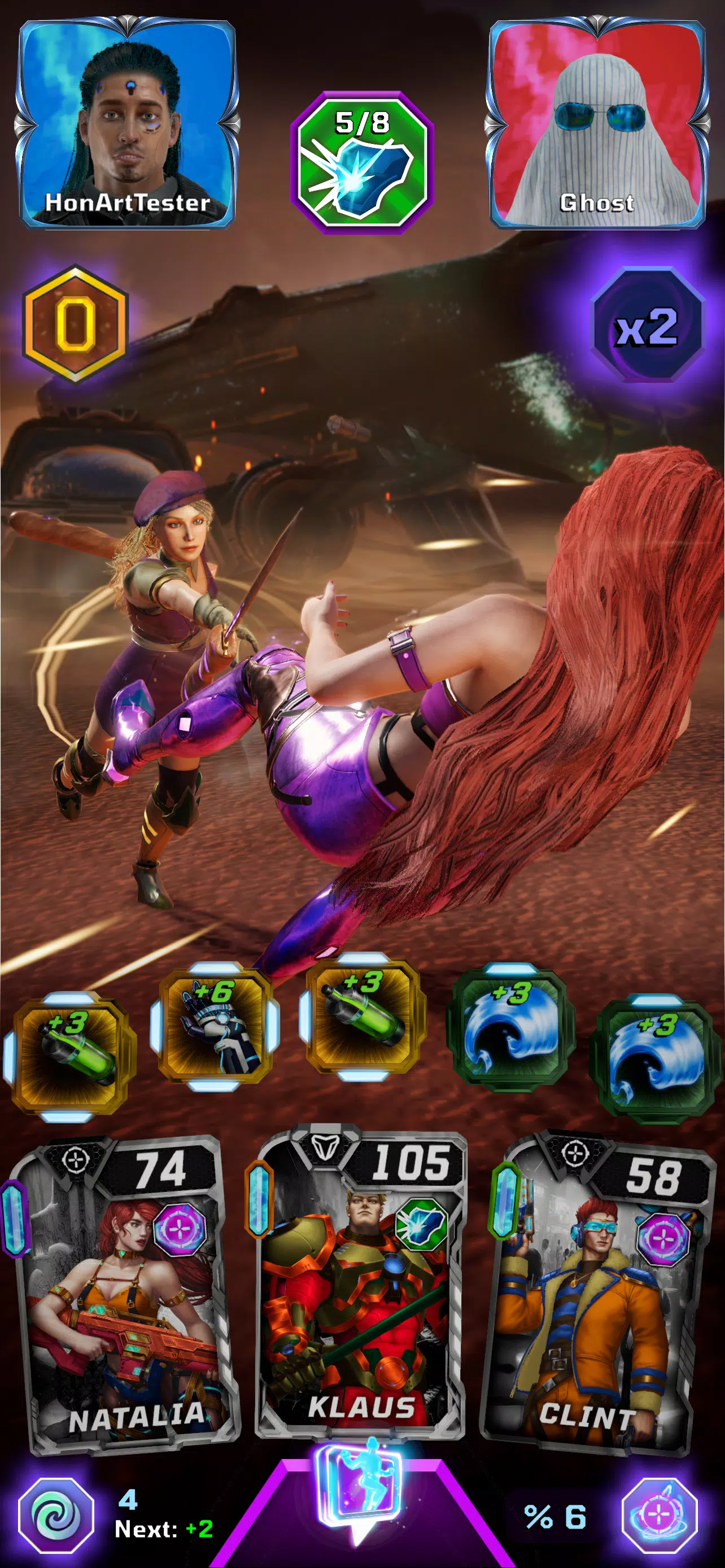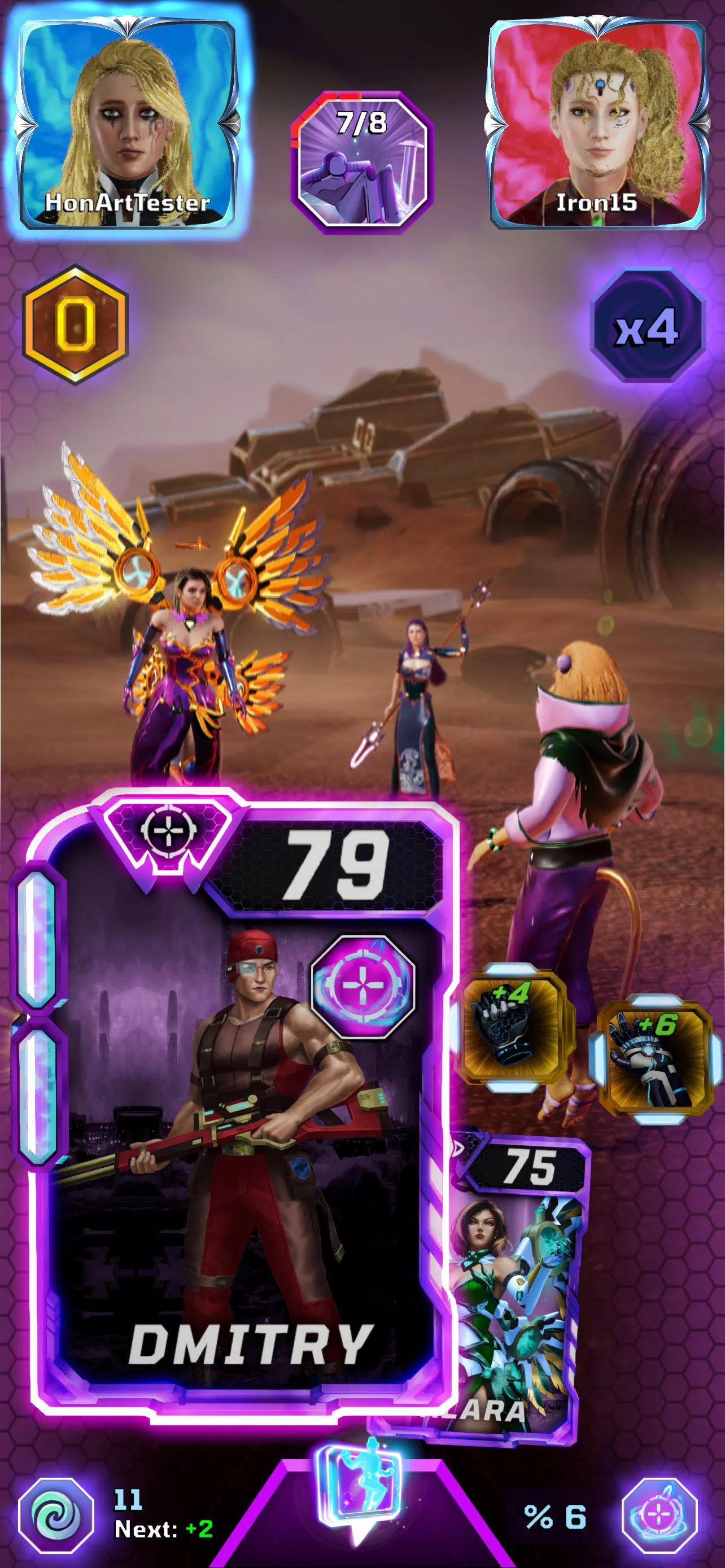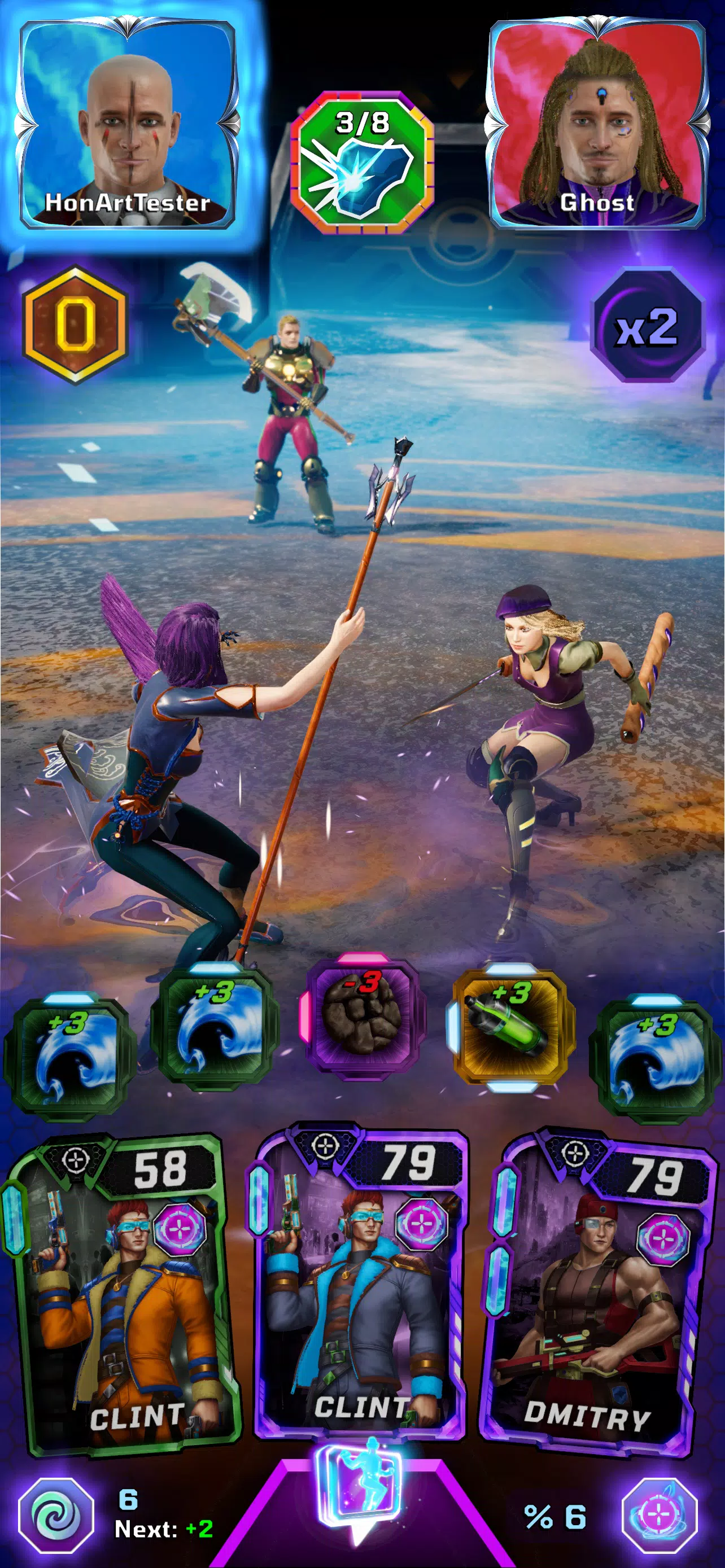
LUTA: Luminoria Tactics is a fast-paced PvP card game that keeps you continuously in control of the battlefield, letting you act in real time without waiting for turns. In LUTA: Luminoria Tactics you assemble and refine a deck of heroes and support cards, drop units into a dynamic 3D arena, and shift the momentum mid-battle by attaching items or casting spells. Every decision—placement, timing, and resource use—matters as you react to opponents, harvest power from victories, and adapt your strategy on the fly for high-intensity head-to-head matches.
Gameplay mechanics
At its core the game combines deck-building with tactical unit placement. Players choose a complement of heroes and support cards before a match, then deploy heroes directly onto the arena floor where positioning, movement paths, and line of sight influence combat outcomes. Item cards can be attached to units during fights to change stats or grant temporary abilities, while spell cards introduce immediate, board-level effects. Power is gained through successful plays and objectives during a match, and that power can be spent to evolve or temporarily strengthen units, creating layered, momentum-based battles rather than static card exchanges.
Controls and interface
Controls are designed for touch-first devices: drag-and-drop placement, swipe gestures for quick camera adjustments, and contextual taps to target spells or toggle items. The HUD focuses on clarity, showing deck state, current resources and active cooldowns without obscuring the arena. Players on larger screens can expect optional on-screen shortcuts for faster actions, and controller support is considered through adaptable input mappings. The interface also includes adjustable sensitivity and streamlined input modes to accommodate different playstyles and physical accessibility needs.
Progression and customization
Progression is driven by card collection and player choice rather than a single tech tree. As you win matches and complete in-game objectives you unlock new cards, cosmetic options, and incremental hero upgrades that expand tactical possibilities. Customization lets you tailor decks to an aggressive, control, or hybrid approach, and loadouts can be adjusted between matches to suit specific opponents or arena conditions. The system rewards experimentation: refining a deck over time uncovers synergies and counters that deepen the strategic meta without forcing a single optimal path.
Visual style and arena design
The visual presentation blends detailed hero models with readable, stylized effects so that important information stands out during fast exchanges. Arenas are rendered in 3D with dynamic elements—cover points, elevation, and interactive terrain—that influence movement and targeting. Art direction emphasizes clear silhouettes and contrasting colors to aid rapid recognition, while performance settings allow the game to scale graphics and effects for lower-end devices to maintain smooth, responsive play.
Level structure and challenge systems
Matches take place across a variety of arena layouts, each encouraging different tactical approaches through chokepoints, open sightlines, or interactive features. The challenge systems include scenario-style practice exercises that isolate specific mechanics, and rotating in-game challenges that test skill with particular hero types or deck archetypes. These structured challenges provide focused goals and measurable progress without relying solely on multiplayer results, helping players build competency incrementally.
Replay value and user experience
Replayability comes from the combinatorial depth of deck construction, the unpredictable flow of real-time encounters, and the subtle advantages earned through experience. Short, engaging match durations make sessions easy to fit into spare moments, while the mid-battle upgrade mechanics keep each match evolving so comebacks and micro-outplays are common. The overall experience emphasizes responsive controls, consistent feedback for player actions, and a learning curve that rewards strategic adaptation over rote repetition.
Accessibility and offline options
Accessibility features include adjustable UI scale, colorblind-friendly palettes, and multiple control presets to accommodate different abilities and devices. For players who prefer to learn without pressure, offline practice modes and tutorials explain fundamental mechanics and let you test decks against scripted scenarios. These offline options are intended to prepare new players for full, real-time matches by focusing on timing, positioning, and efficient resource use in a low-stakes environment.
Getting started
Newcomers to LUTA: Luminoria Tactics will find a guided onboarding that introduces deck building, hero deployment, item usage, and spell timing, while more experienced players can dive into deeper customization and experimentation. With an emphasis on reactive decision-making and tactical positioning, the game rewards continuous learning and thoughtful adaptation, offering both short sessions and long-term progression for players who enjoy strategic, always-on card combat.